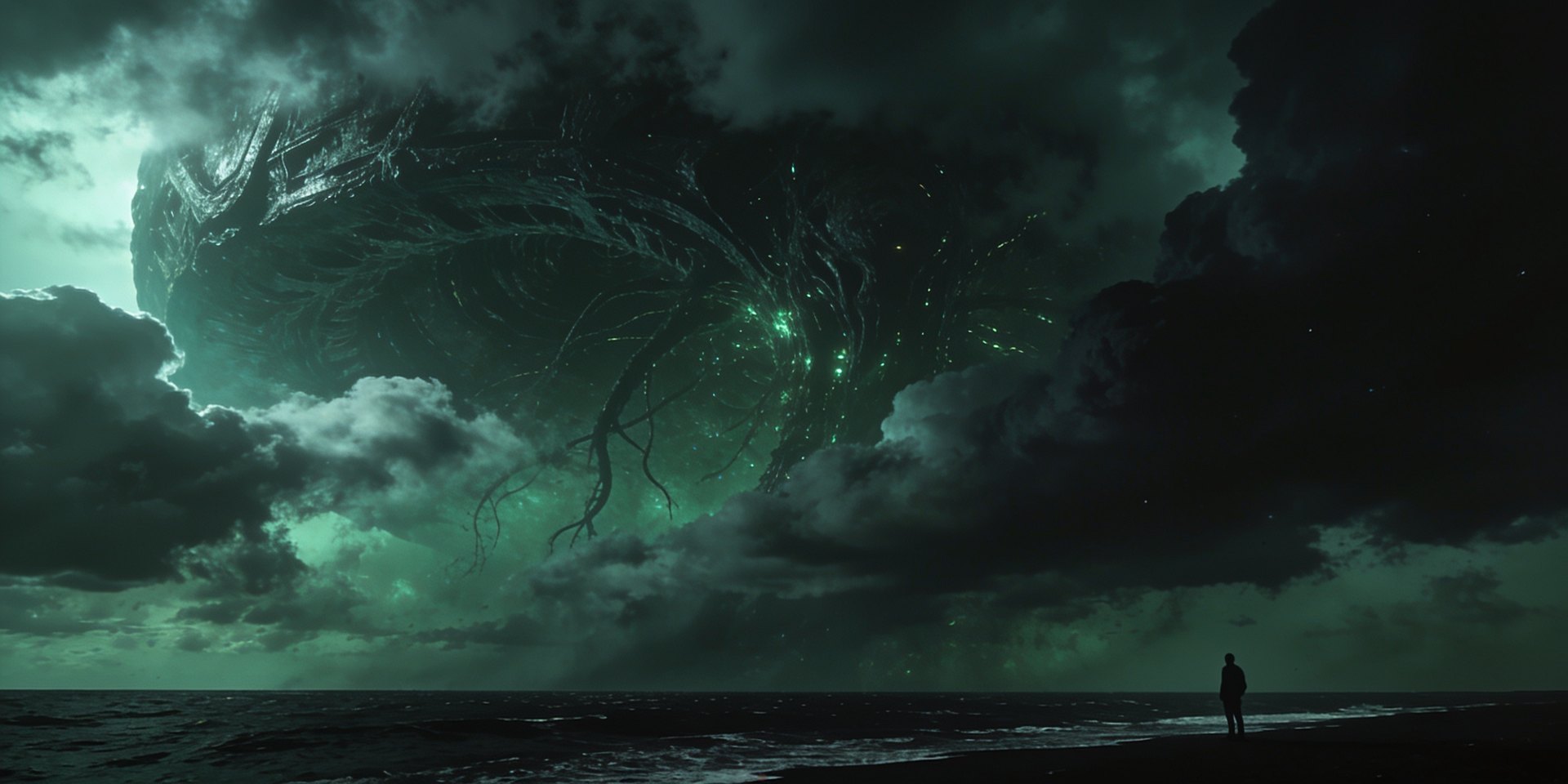

Most horror promises that if you are clever or pure or lucky, you might survive. Cosmic horror takes that comfort away. Its great insight, the one Lovecraft stumbled onto and a century of writers have refined, is that the real terror is not a monster that wants to eat you but a universe that does not know you exist. The genre trades jump-scares for dread, and gore for the far worse feeling of being small, briefly conscious, and about to learn something you cannot un-know.
The entity is usually beside the point. What lingers is the vertigo: the sense that the floor of reality is thinner than you thought, and something vast is on the other side.
Essential Cosmic Horror
The void stares back: incomprehensible entities, shattered minds, and humanity's cosmic insignificance, across every medium.
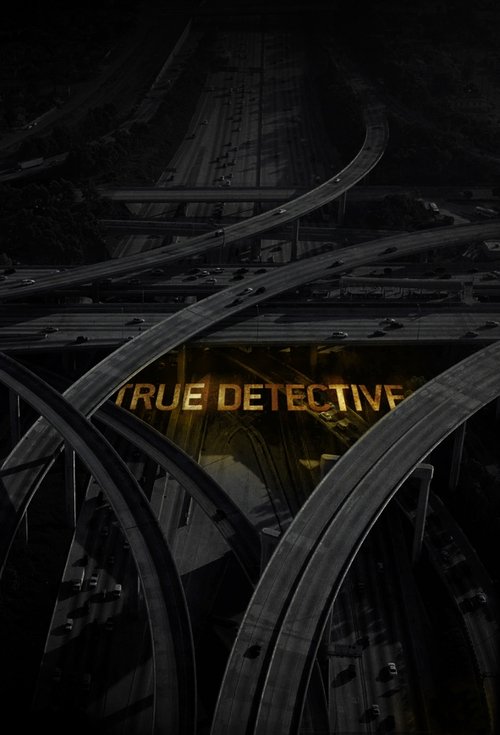
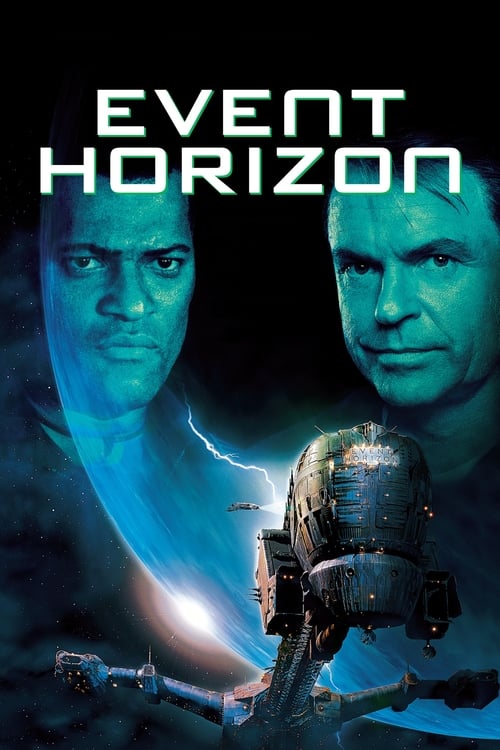

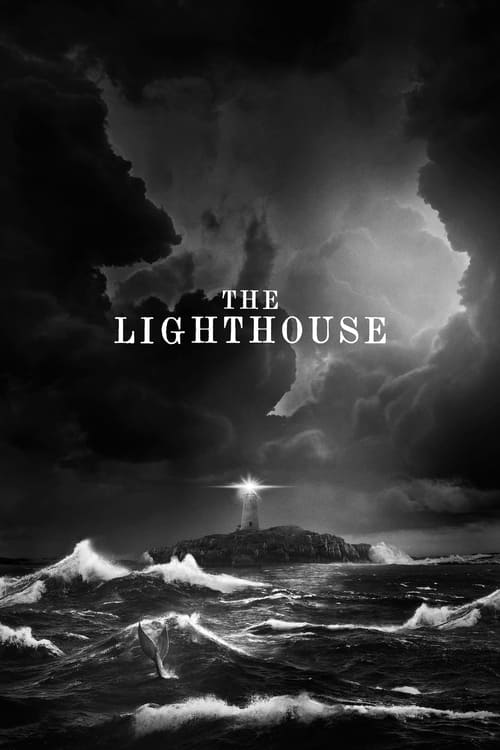
The horror is the knowing
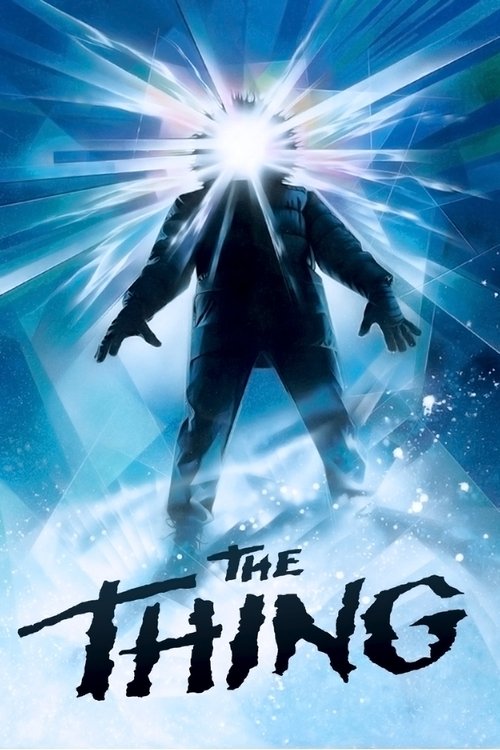
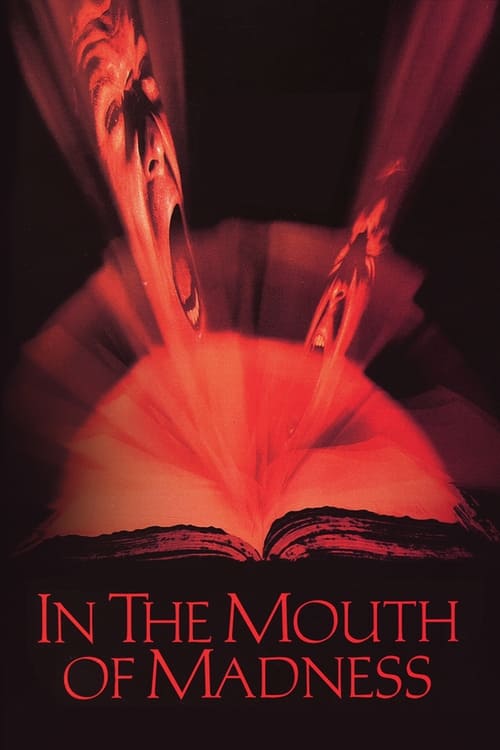
The defining move of cosmic horror is that understanding is the catastrophe. In The Thing and In the Mouth of Madness, the characters who figure out what is happening are the ones it destroys. Sanity is not a resource you spend fighting the monster. It is the thing the monster takes just by being seen.
The writers who built the void
Cosmic horror is a literary tradition before it is anything else. These are the authors, from the pre-Lovecraft weird to the modern new weird, whose ideas the films, games and comics keep reaching back to.
The architect of cosmic horrorH.P. LovecraftWriting from Providence in the 1920s and 30s, H. P. Lovecraft turned the fear of the unknown into a whole cosmology: indifferent gods, forbidden books, and a universe that was never built with us in mind. Almost everything on this page owes him something, whether it borrows his monsters or just that one devastating idea.View profile →Dread on the big screen
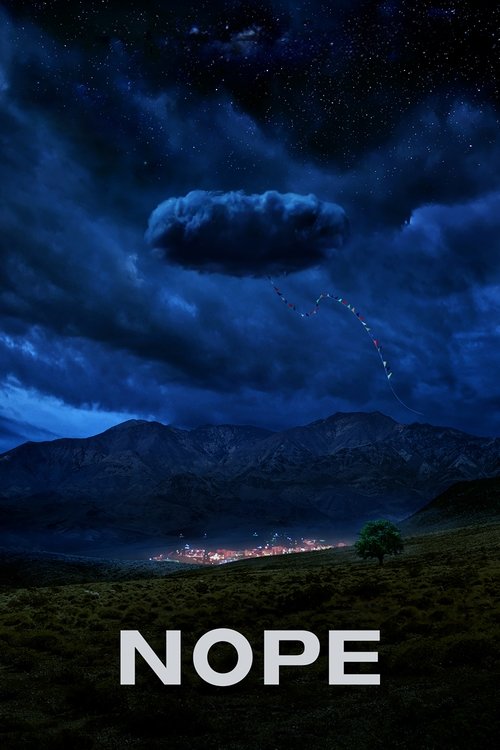
Films where the universe is vast, indifferent, and actively hostile to a sane mind.
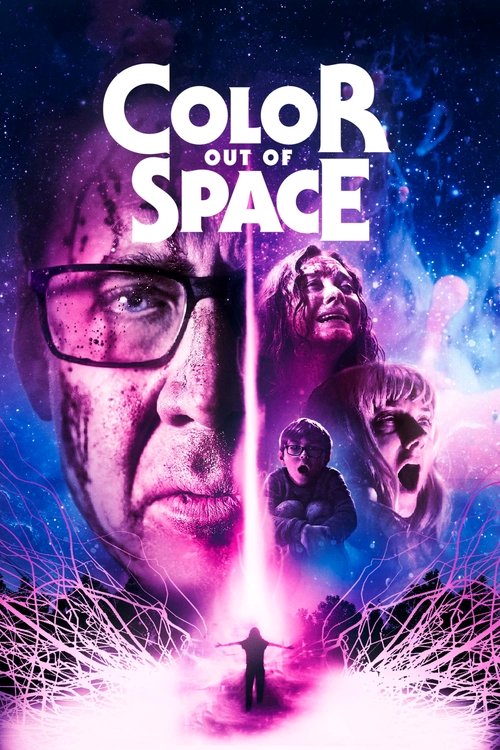
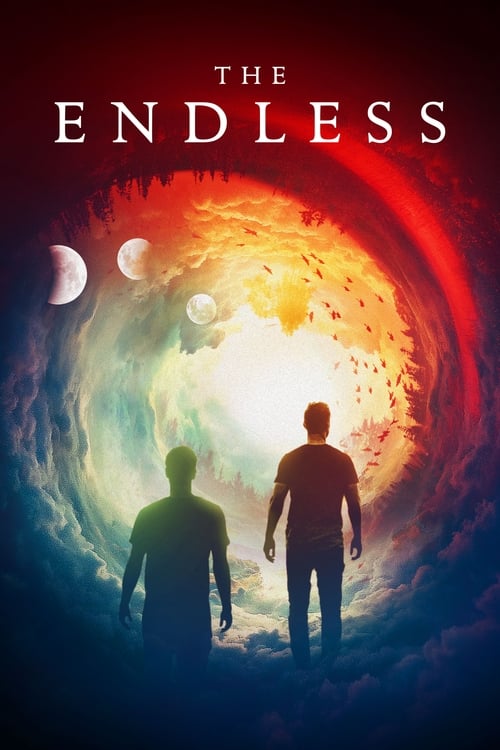
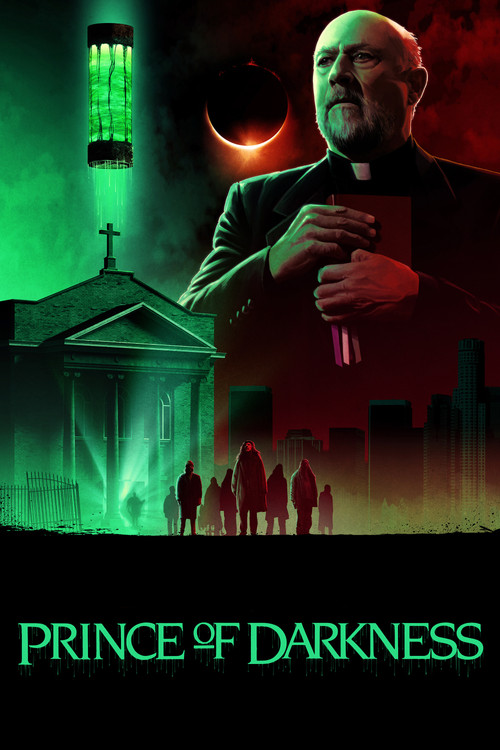
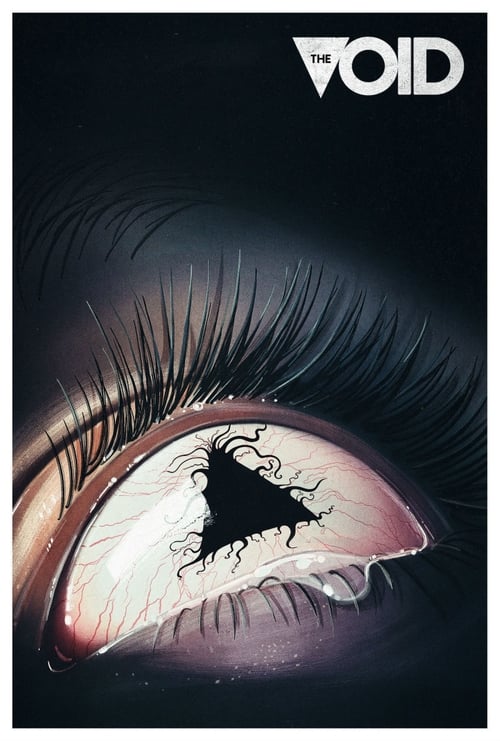
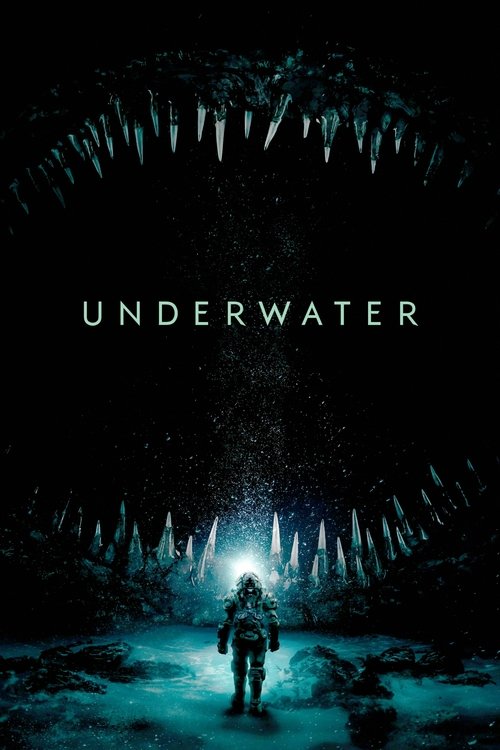
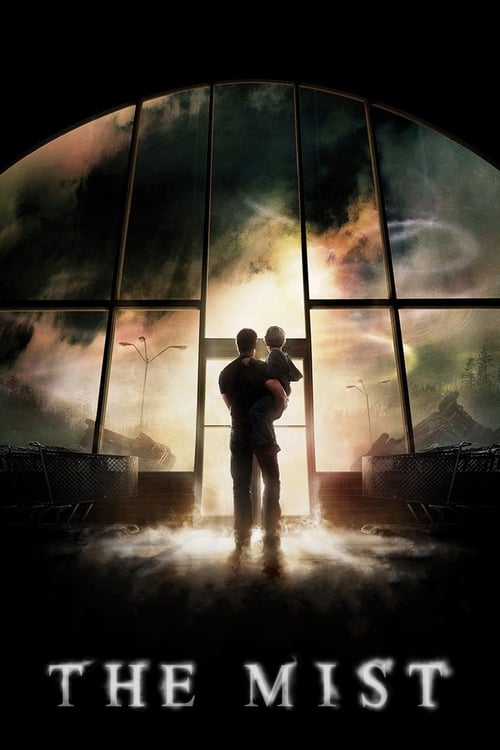
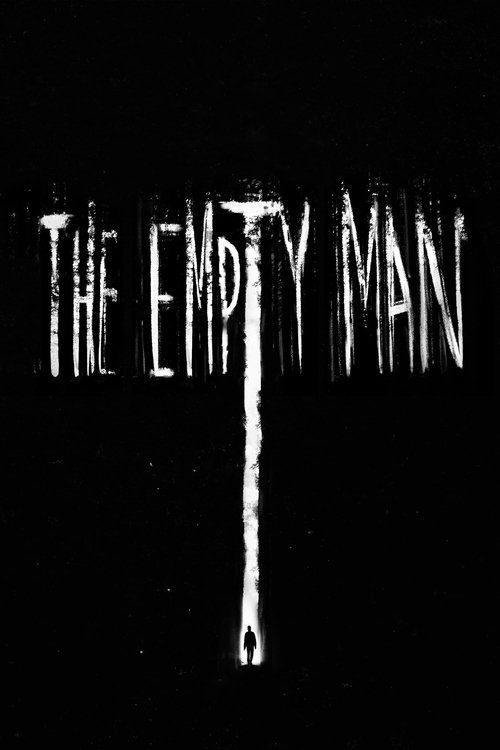

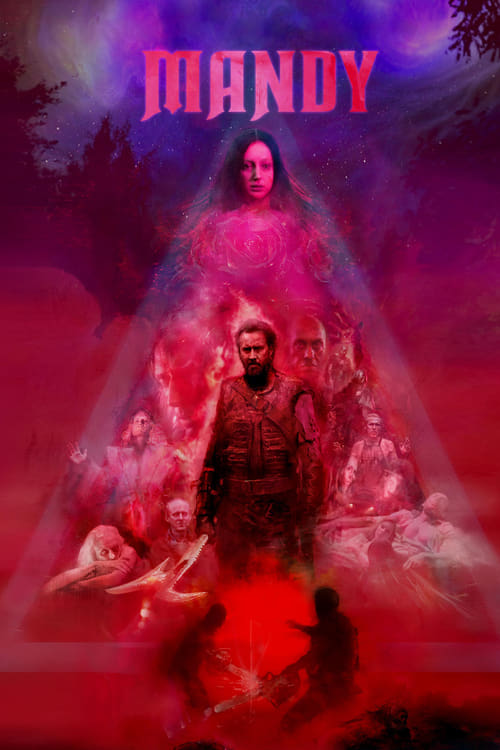


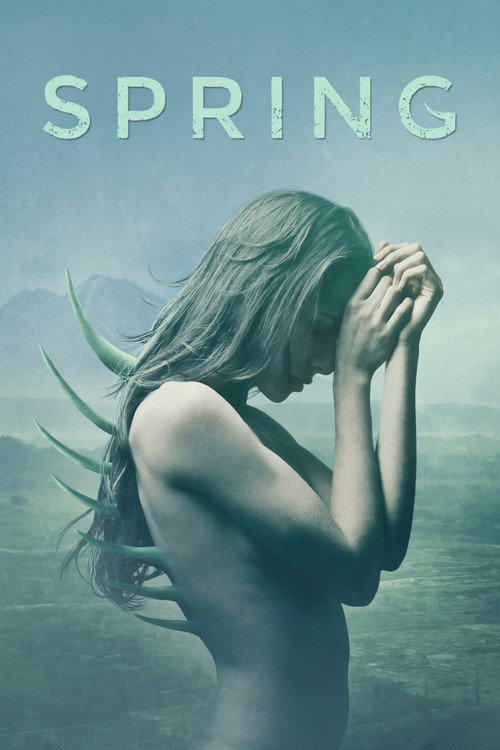
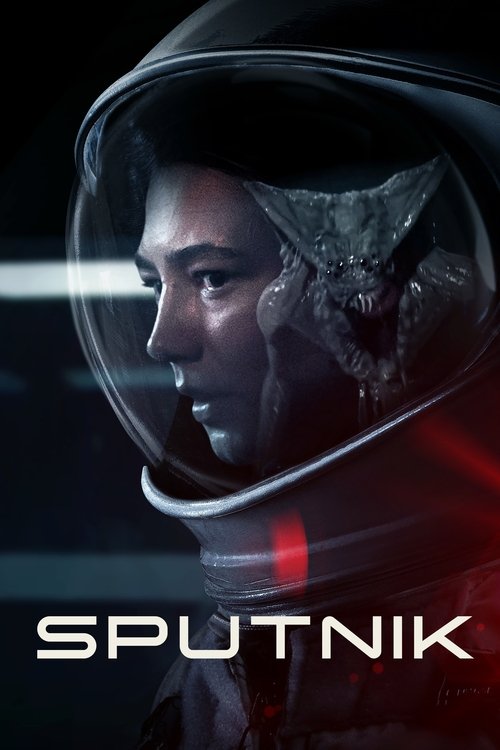
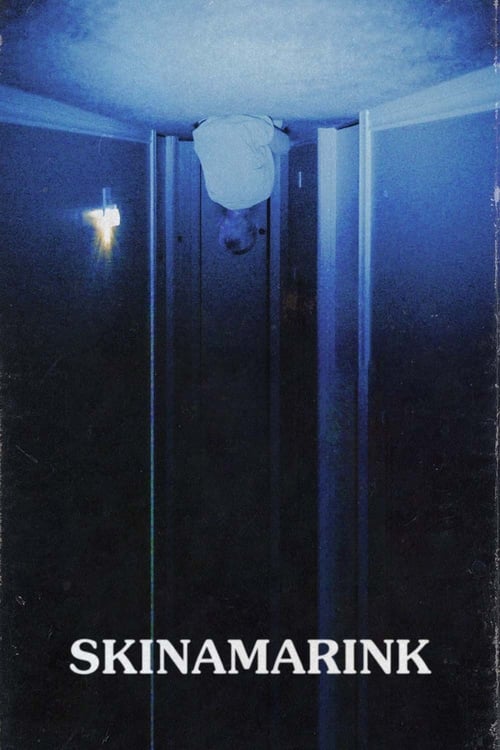
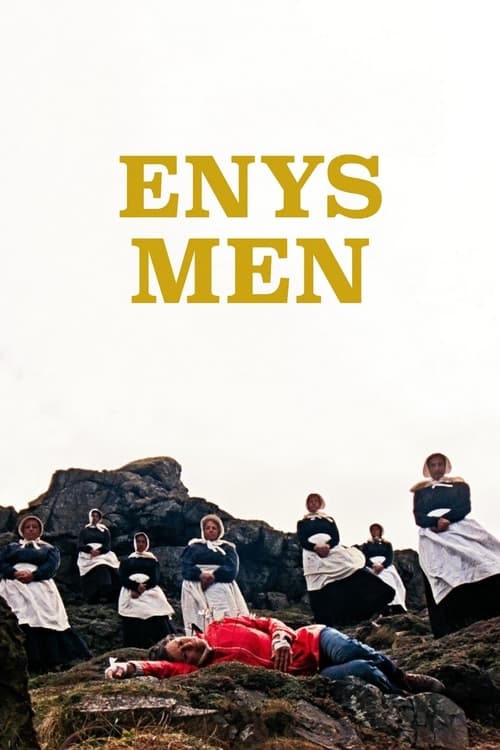
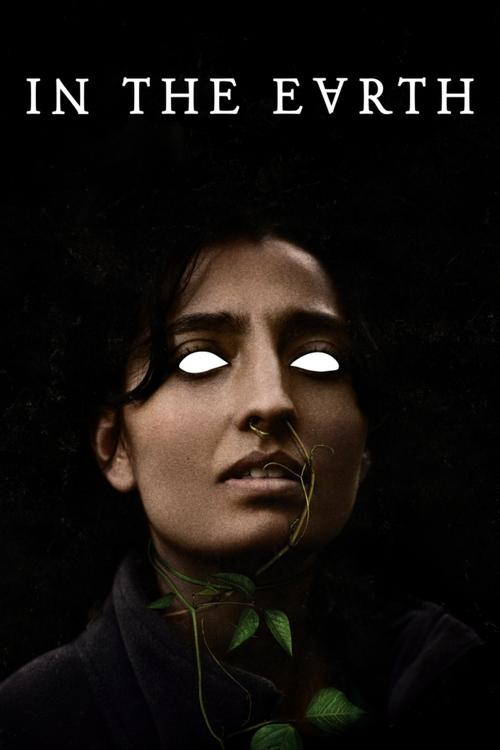
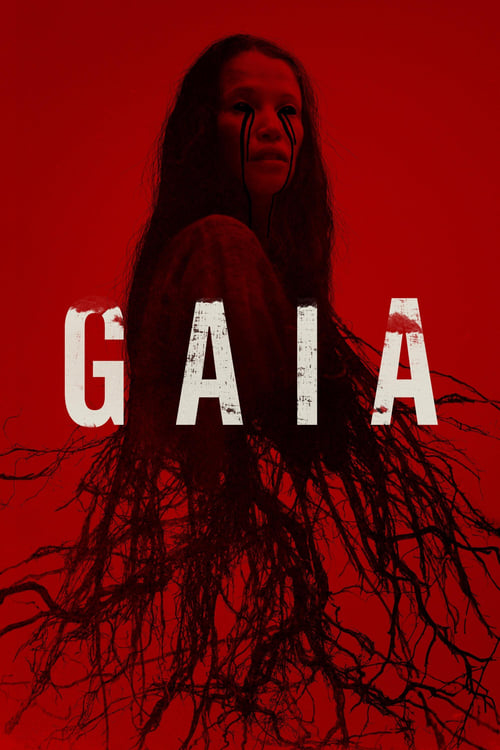
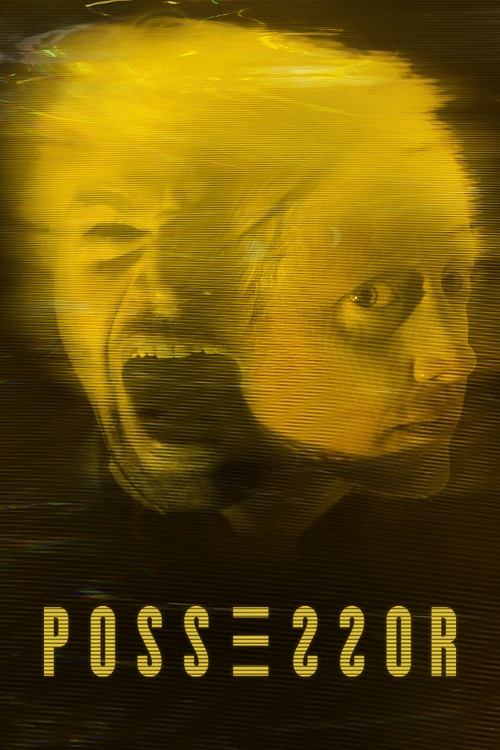
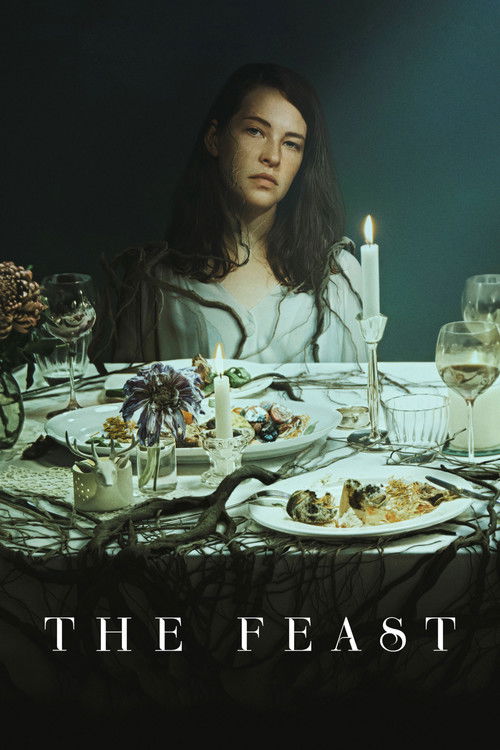

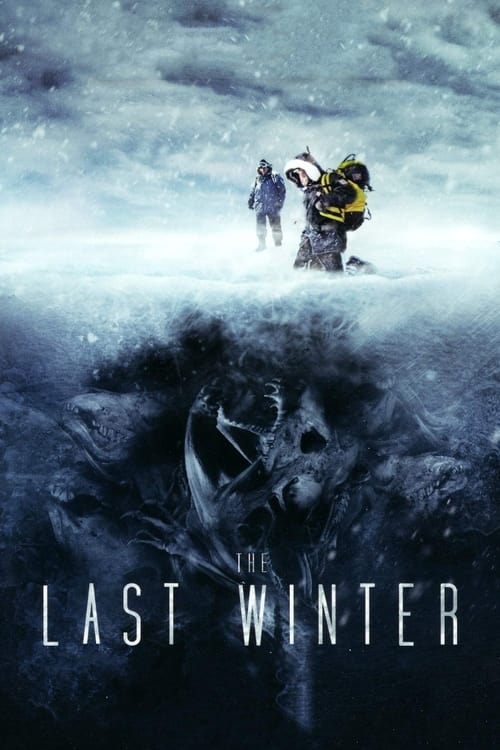
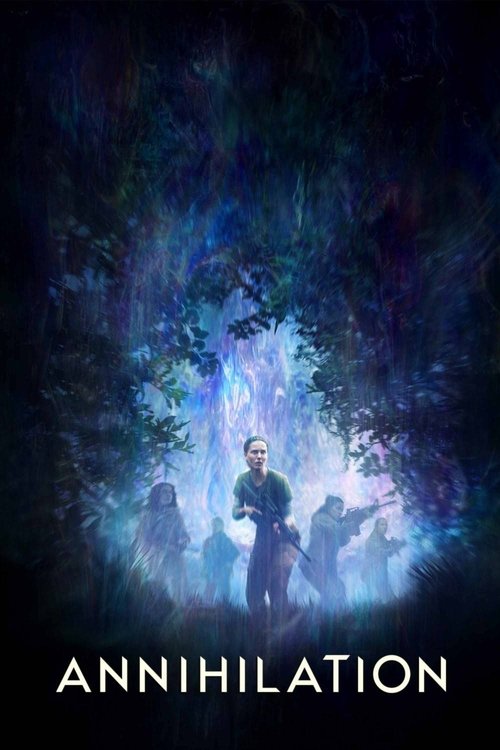
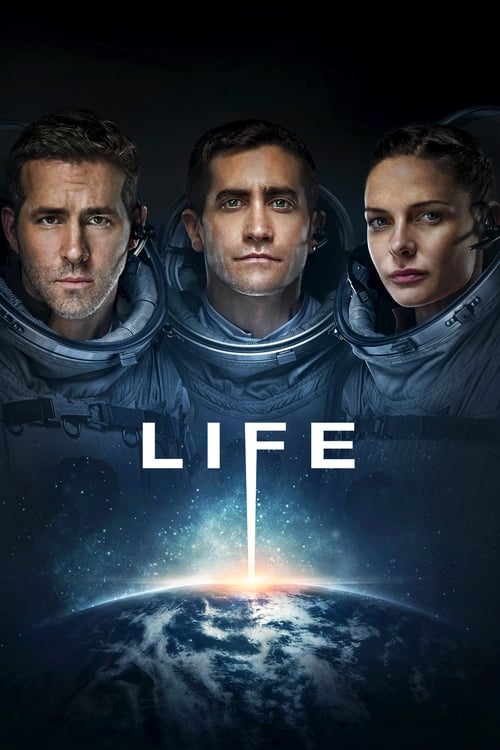
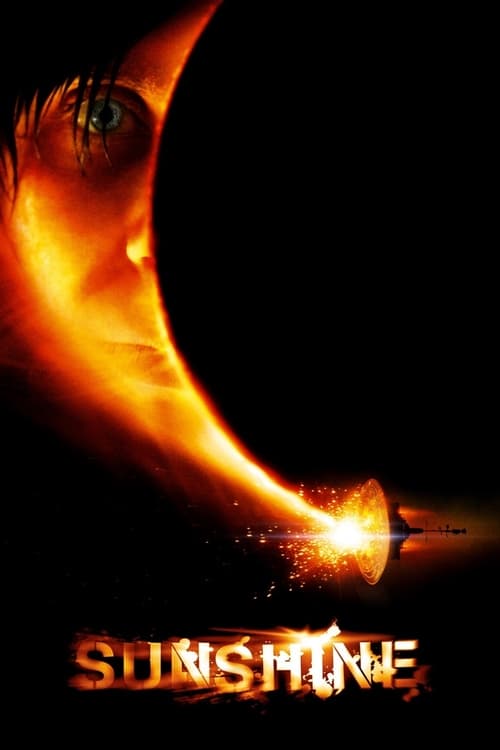
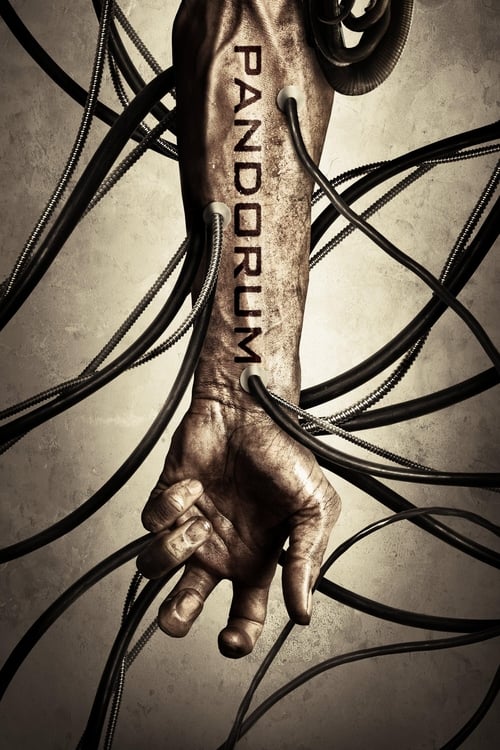
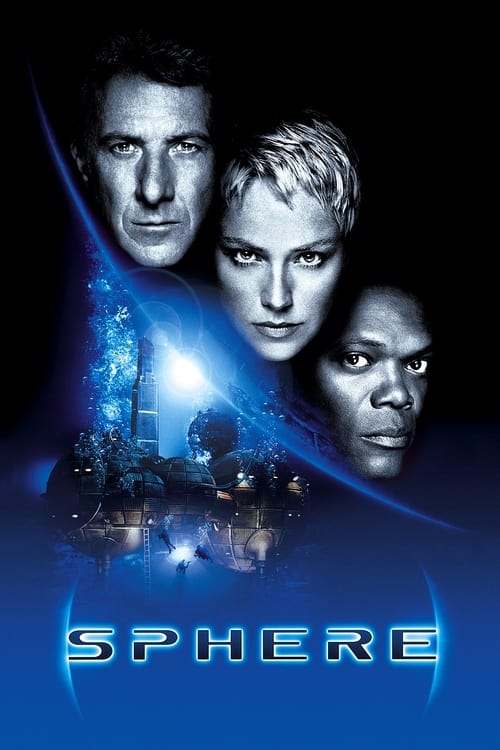
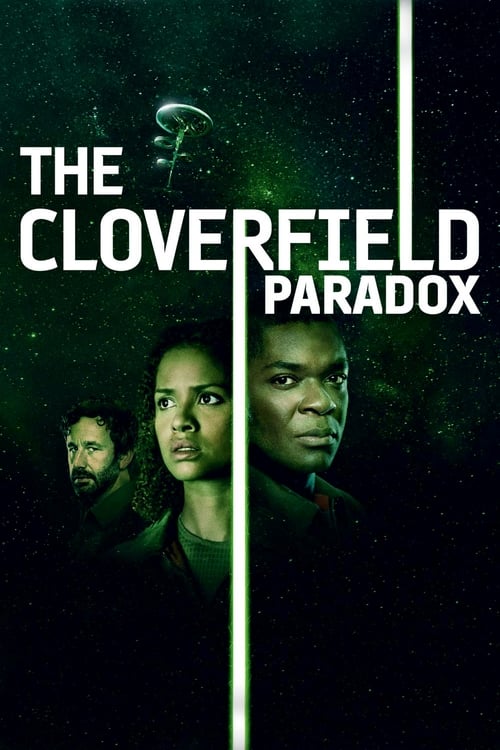
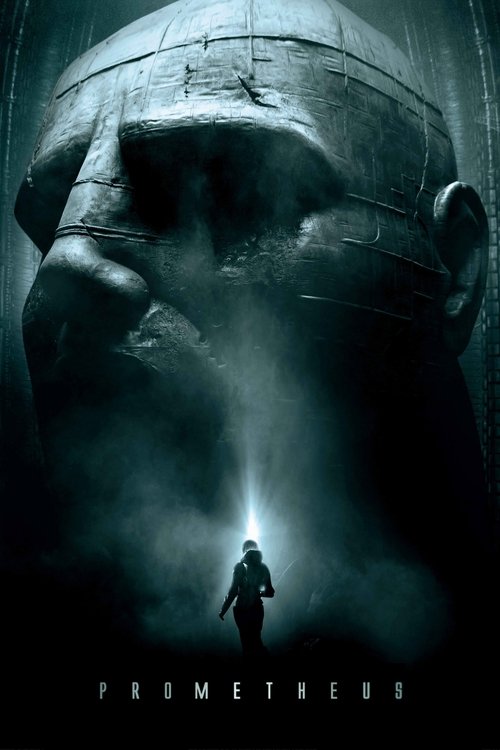
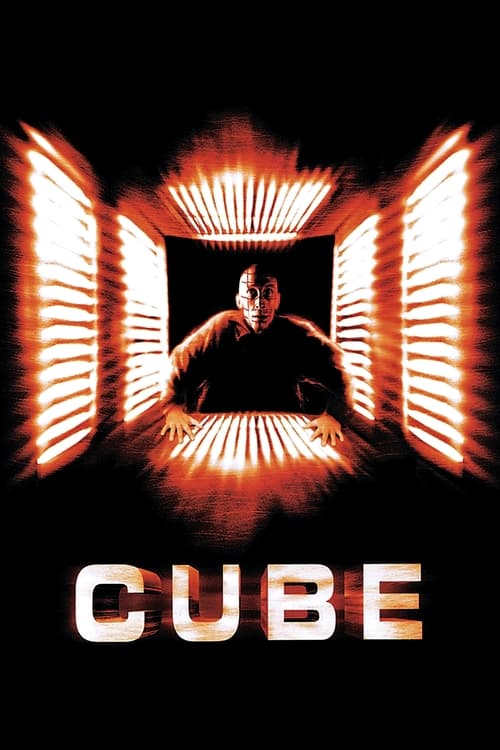
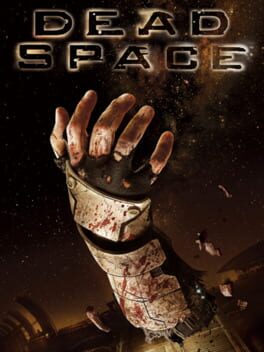
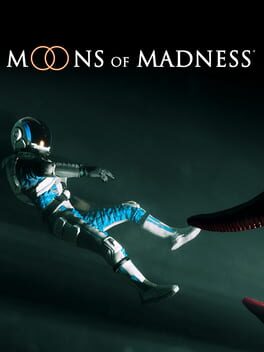
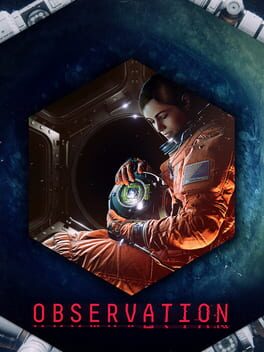
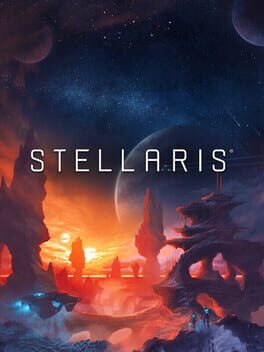
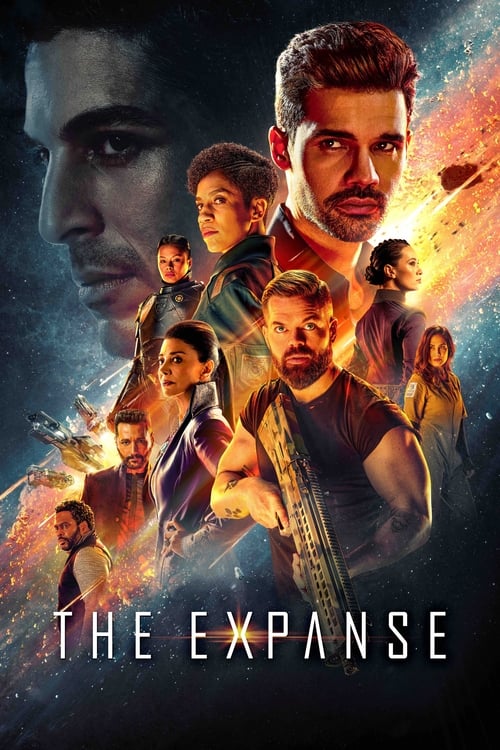
The oldest cosmic horror looked up at the stars. The newest one goes there. Swap the haunted manor for a research station, the grimoire for a signal or a specimen, and the shape of the dread is identical: a mind meets something it was never meant to understand, and does not come back whole. Science fiction turned out to be the genre's most natural home.
Science fiction cosmic horror
The void as literal deep space and hard science: derelict ships, first contact gone wrong, and experiments that open a door nobody can close.



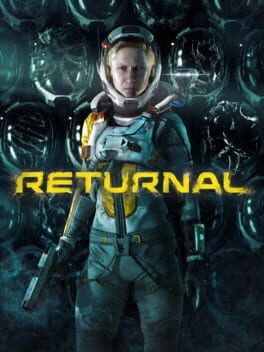
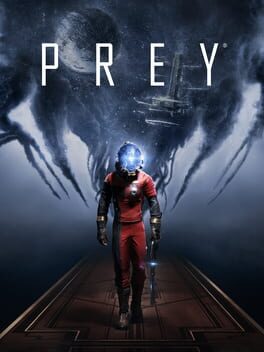
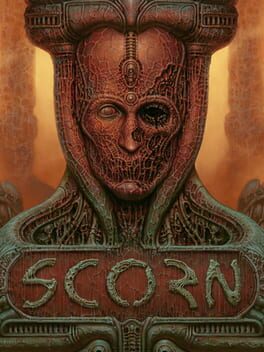
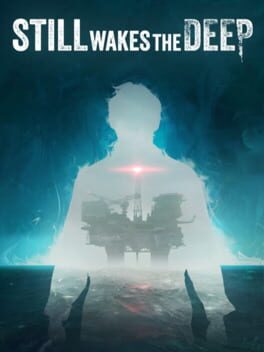



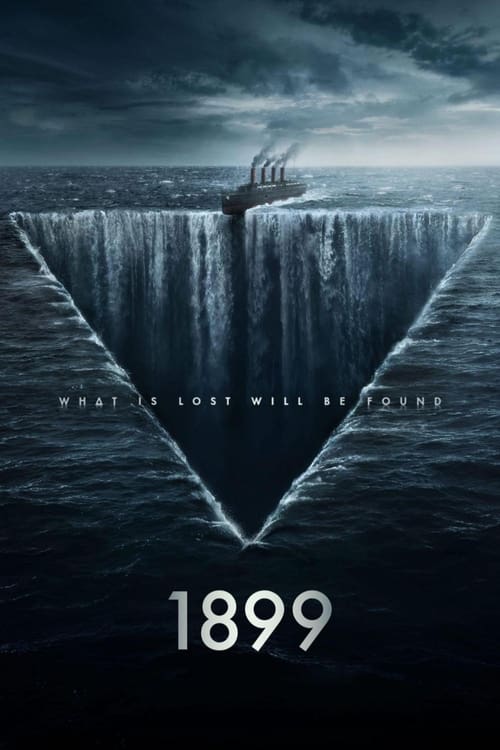
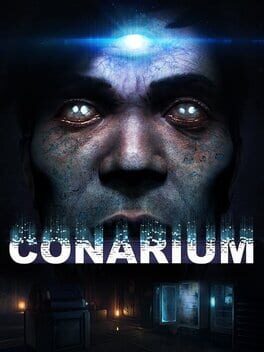
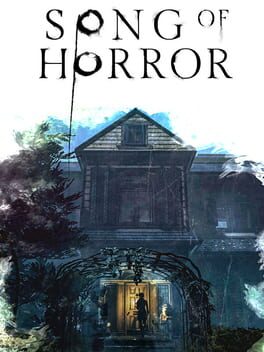
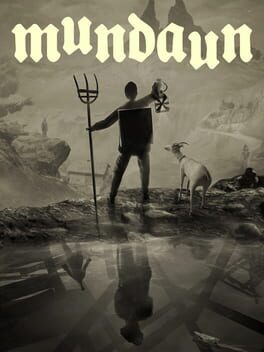
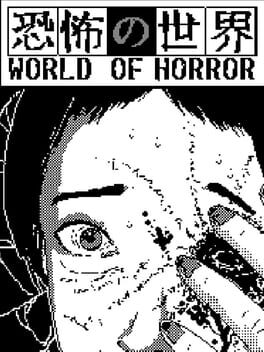
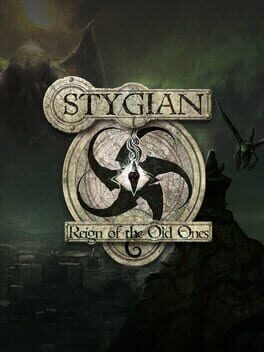
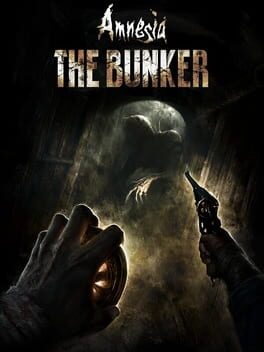
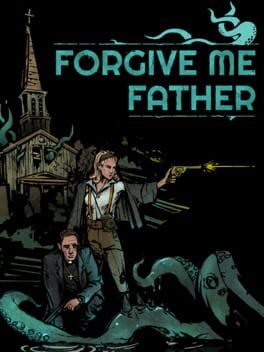
Sanity optional: the games
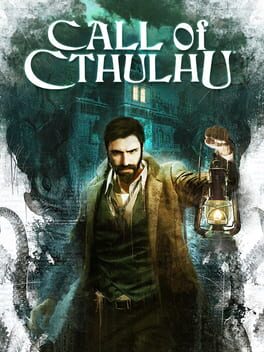
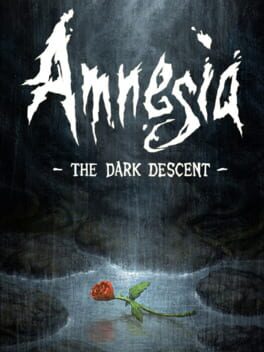
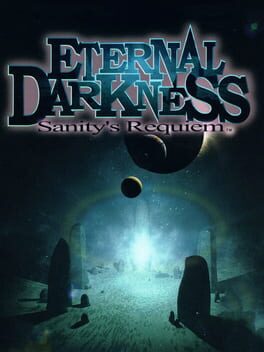
Play long enough and the truth comes for your mind. Cosmic dread you hold in your hands.
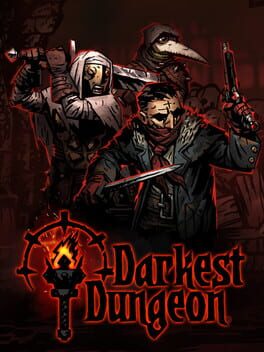
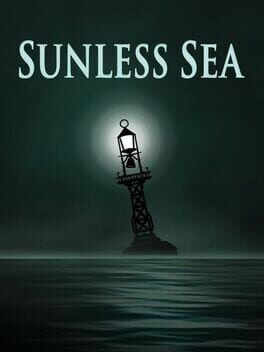
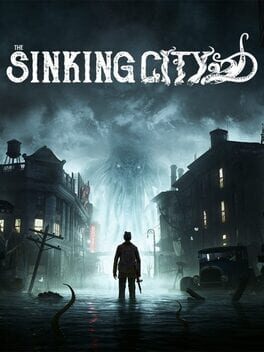
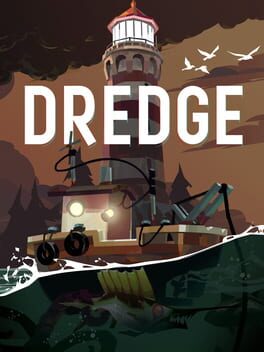
Fantasy and the weird
Invented worlds with something monstrous underneath: dark-fantasy games and weird-fantasy novels where the old gods never left.
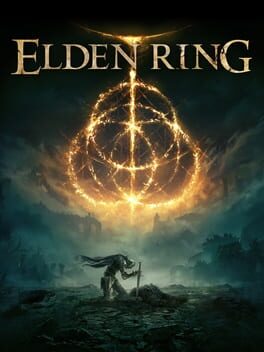
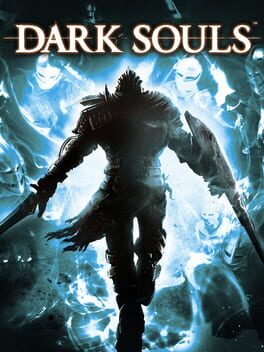
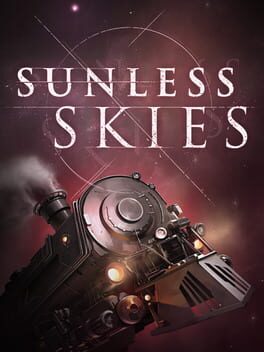
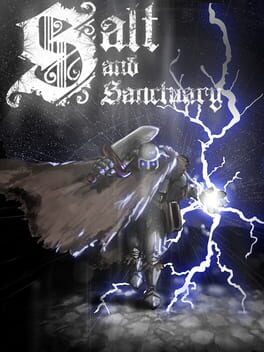


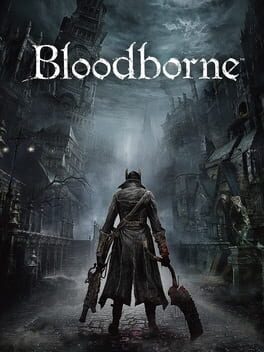
Games are the genre's secret ideal medium, because dread compounds when you are the one walking down the corridor. From the gothic nightmare of Bloodborne to the airless deep of SOMA, interactivity turns helplessness into something you feel in your own hands.
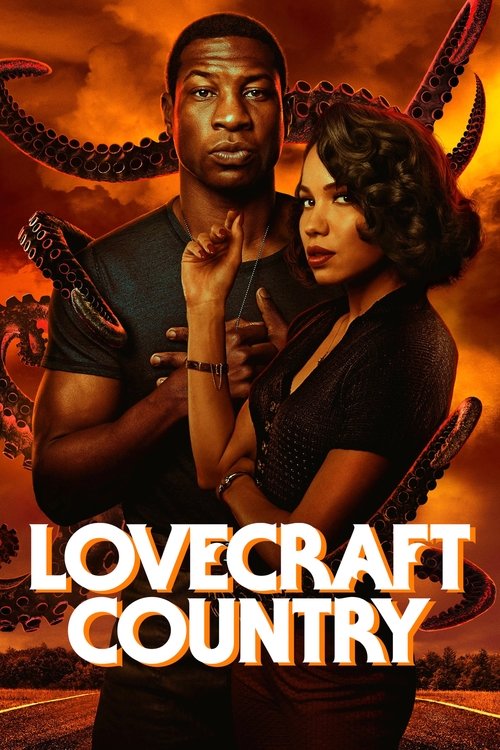
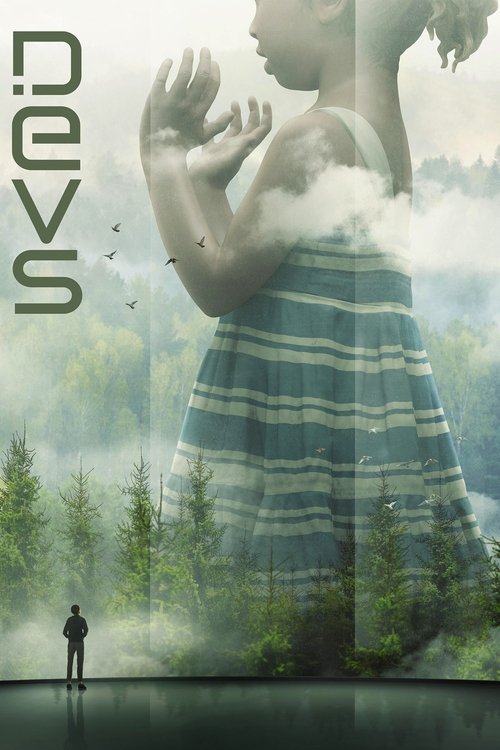
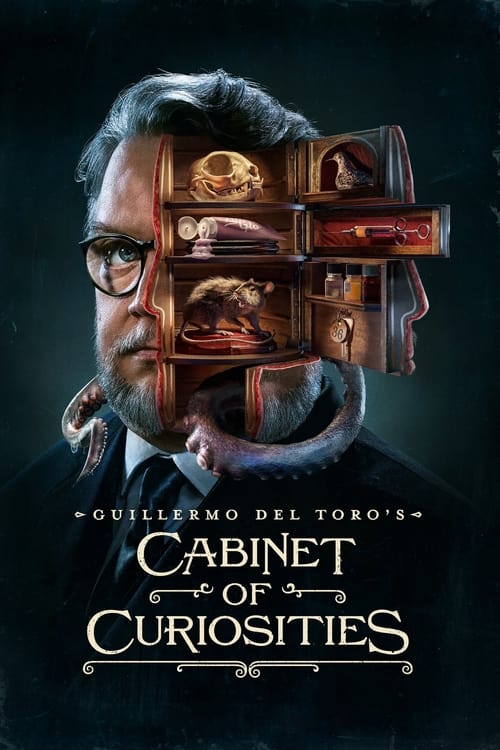
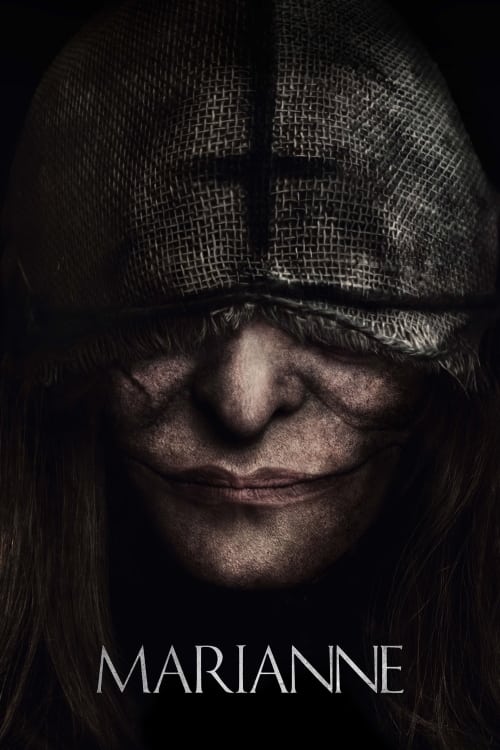
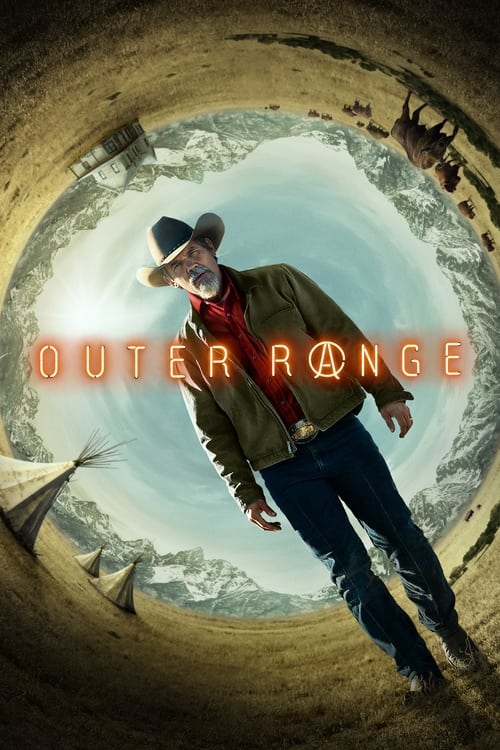
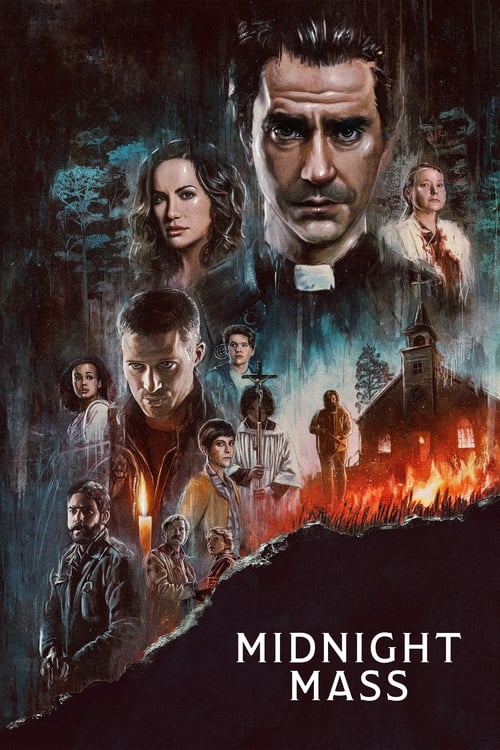
Cosmic horror on TV
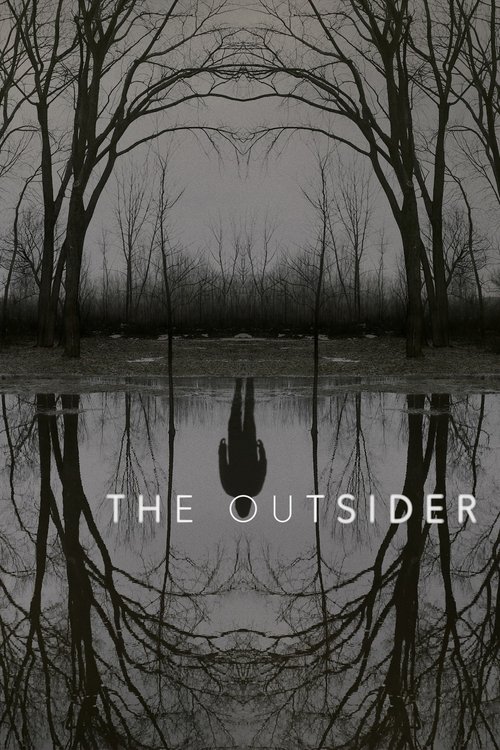
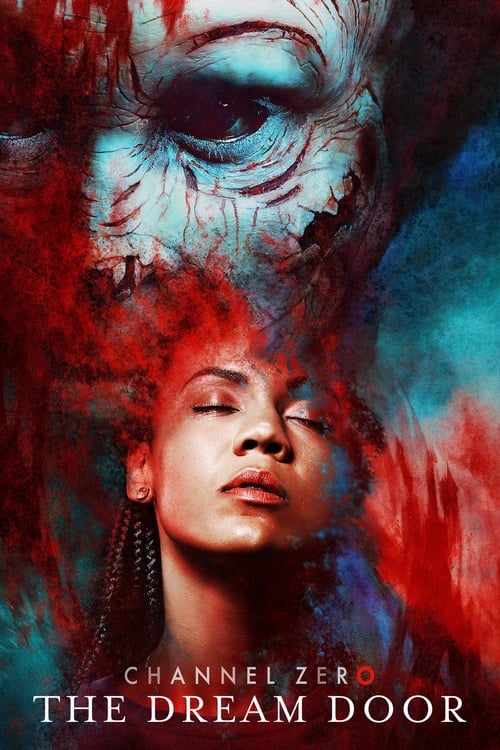
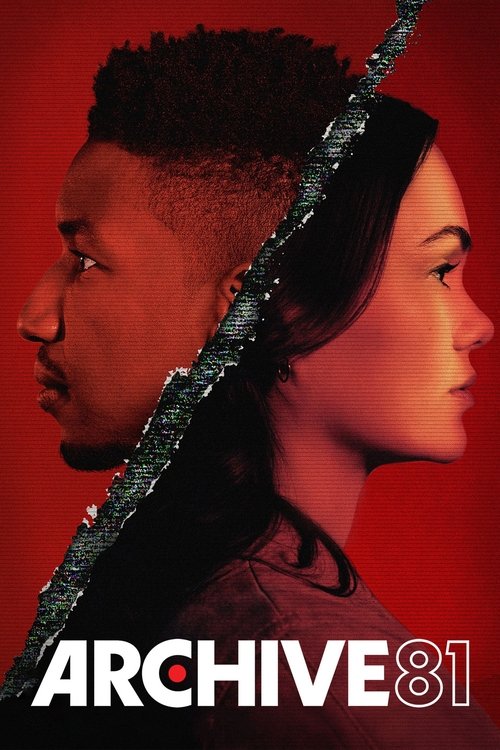
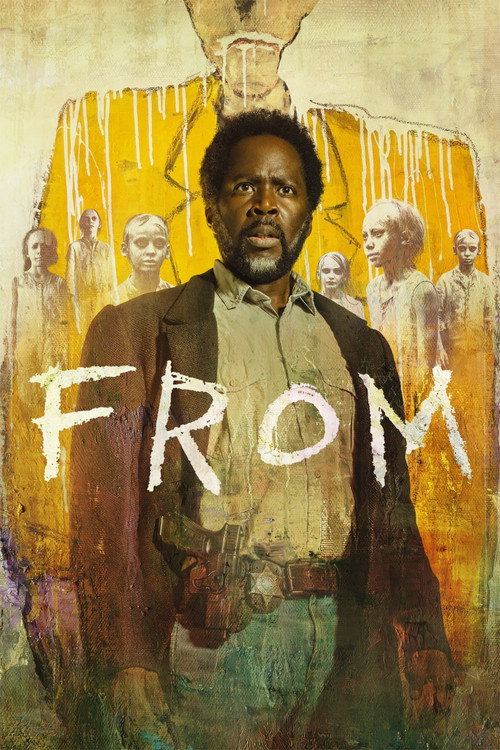
Long-form descents into the unknowable: small towns, sealed buildings, and detectives who learn too much.


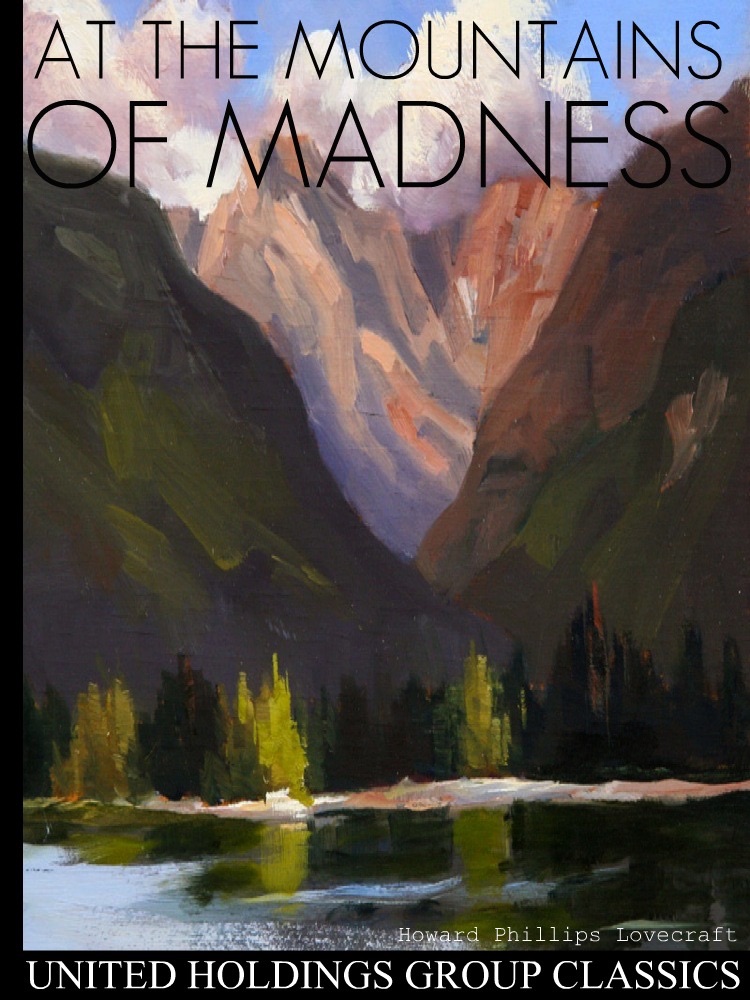
The forbidden texts
Where it all began: the foundational weird fiction, from the pre-Lovecraft masters to the modern high priests of dread.


Lovecraft has been dead since 1937, but the tradition never stopped moving. A generation of writers took the machinery of cosmic horror and pointed it at new targets: colonial history, grief, ecological collapse, the unmappable interior of a single house. This is the shelf the genre is being written on right now.
The new weird
Cosmic horror's living shelf: the modern novels, from Peter Clines to Jeff VanderMeer, still writing the void.
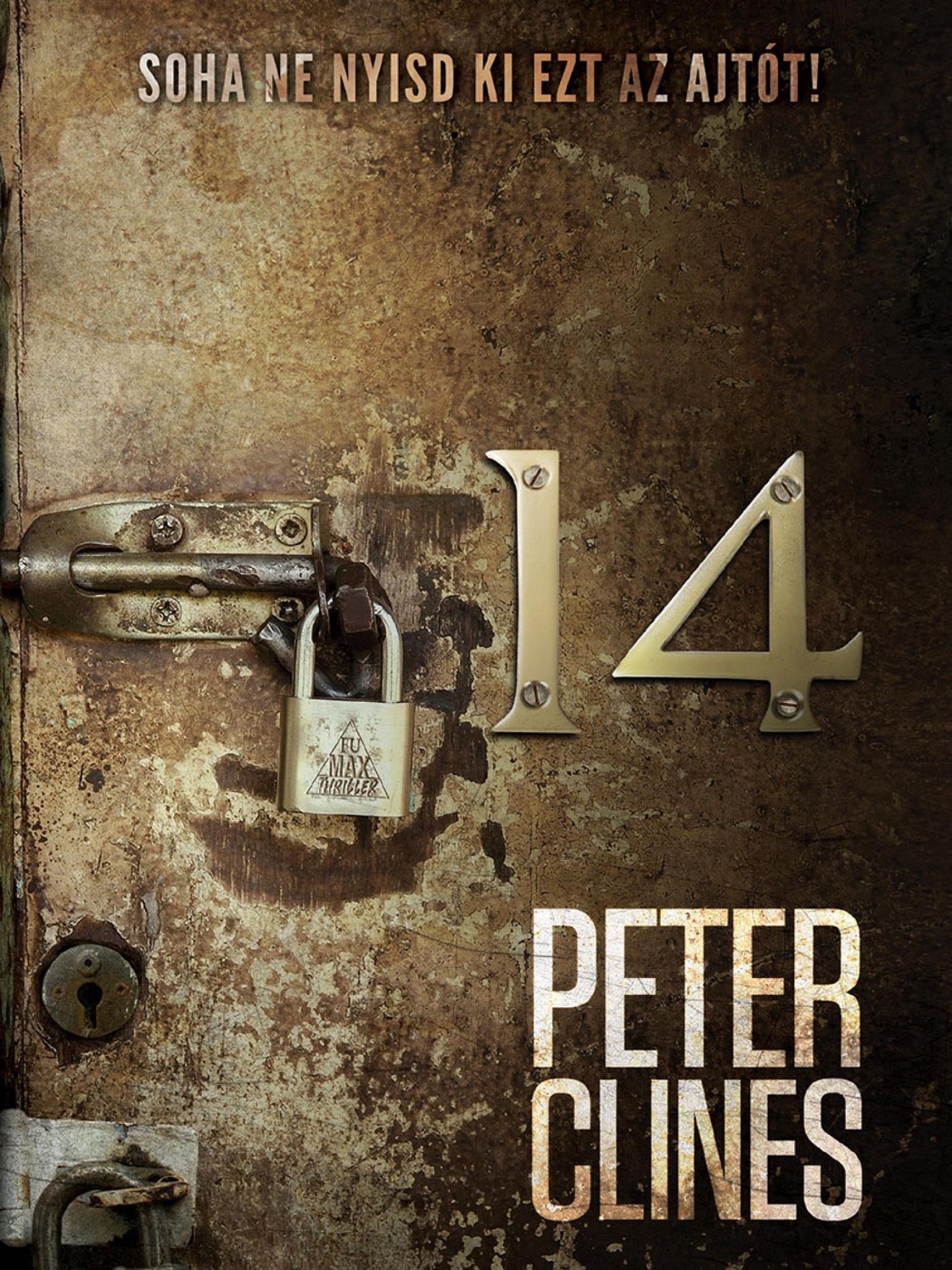 14
14 The Fold
 The Fisherman
 The Ballad of Black Tom
 The Croning
 Mexican Gothic
 Piranesi
 The library at Mount Char
 Between Two Fires
 Perdido Street Station
 The Hollow Places
 Ring Shout
 Agents of Dreamland
 The City We Became
 Authority
 Acceptance
 Borne
Borne Blindsight
 Universal harvester
 Cipher, The
 Revival
 The Twisted Ones
 What Moves the Dead
Cosmic horror in comics
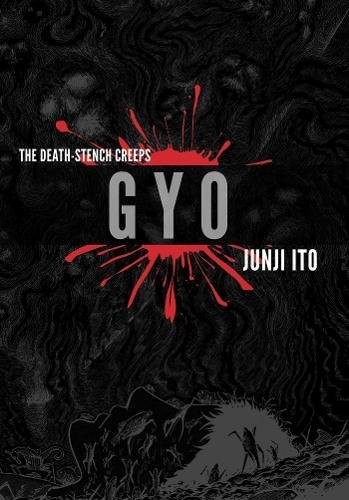
Where the unspeakable gets drawn anyway: Alan Moore's Lovecraft, Junji Ito's spirals, and the comics that stare straight at the thing.




The sound of the void
Cosmic dread as music: death metal about deep time and drone that sounds like the heat-death of the universe.
And it lives on the page above all, where a writer can describe the indescribable by refusing to describe it, leaving the worst of it to bloom in your own head.
When the void looks back: more dread from beyond
The Occult & Black Magic
Explore the The Occult & Black Magic guide →Cosmic horror is the only genre where the smartest character dies first. To understand the truth of the universe is the catastrophe, and the void was never even looking at you.