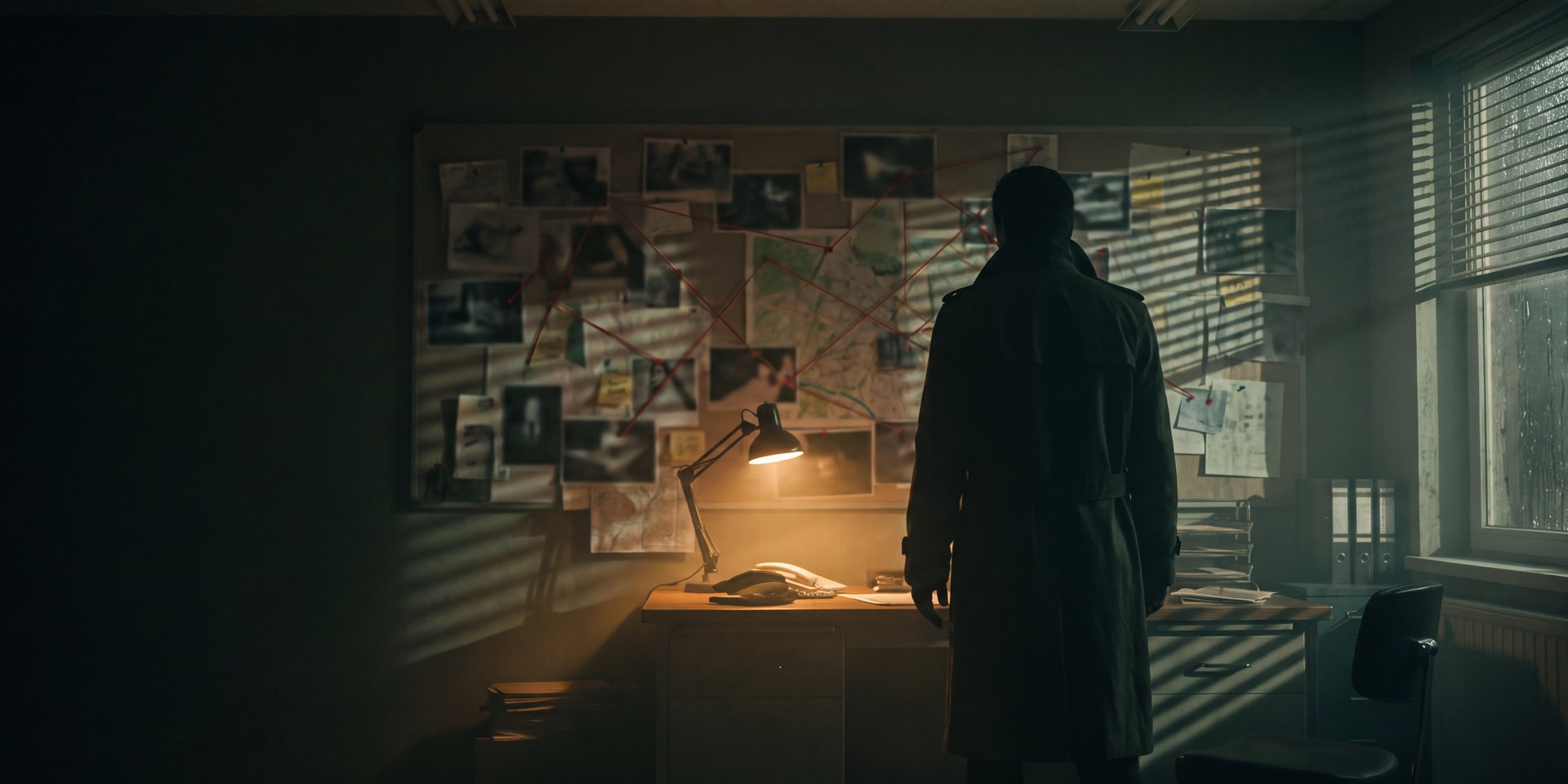

The manhunt thriller is a horror story told from the detective's chair. It takes the unbearable subject of the serial killer and turns it into procedure, a case file, a pattern to be read, and in doing so lets us look at the monster through the safety of someone whose job is to understand it. The genre's real terror is the suggestion that to catch a killer you must learn to think like one, and that the hunters do not always come back from that.
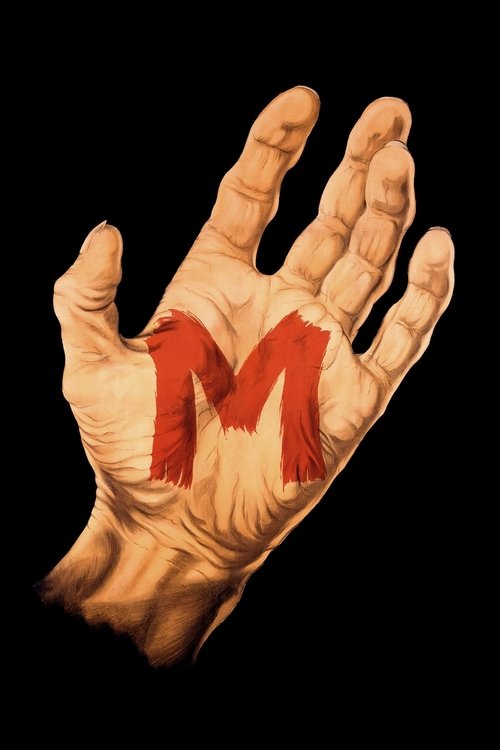
The form is older than you think. Fritz Lang staged a city-wide manhunt for a child killer in 1931 and got there first on almost everything, including the sympathy. Hollywood industrialized the genre in the 90s, Korea perfected its tragic register in the 2000s, and television has spent the last decade turning the profiler into its favorite protagonist. This is the whole bloodline.
The essential manhunts
If the genre had a syllabus, this would be it

Before Se7en: the classics
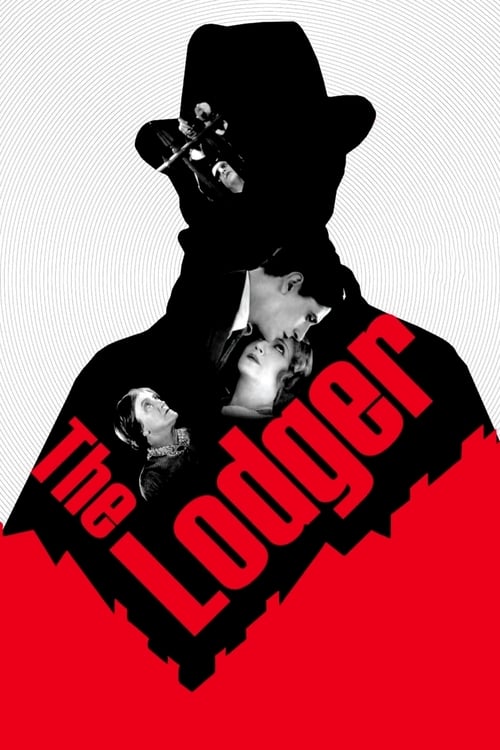
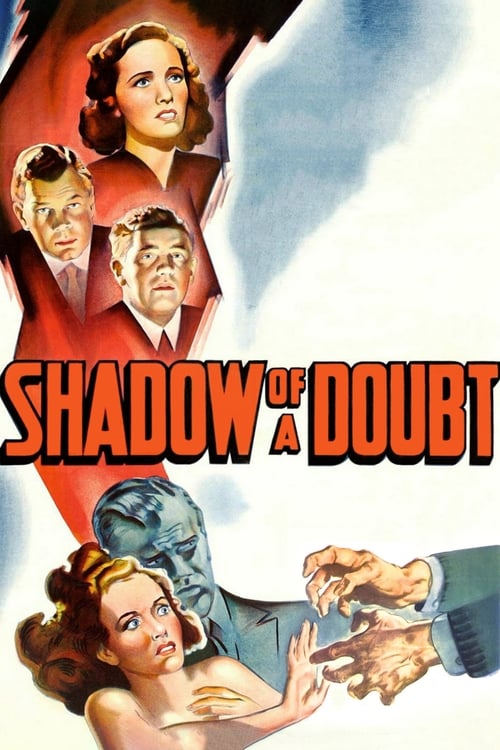
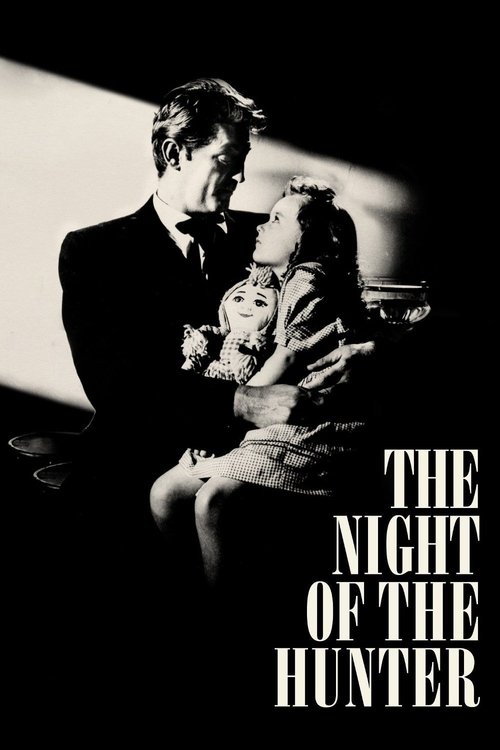
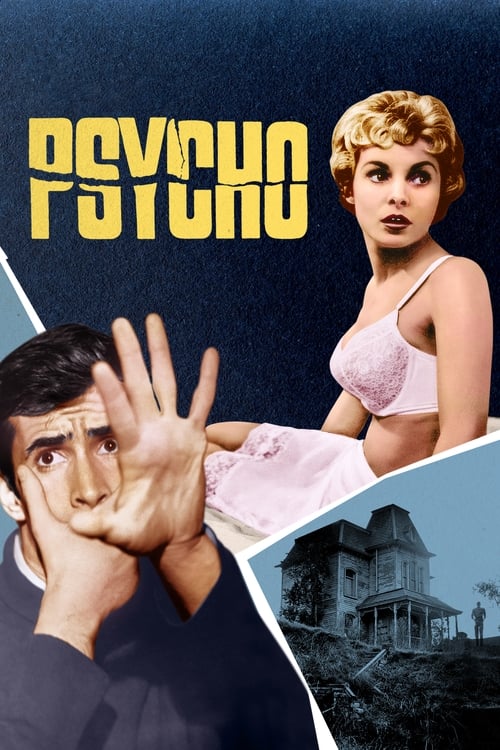
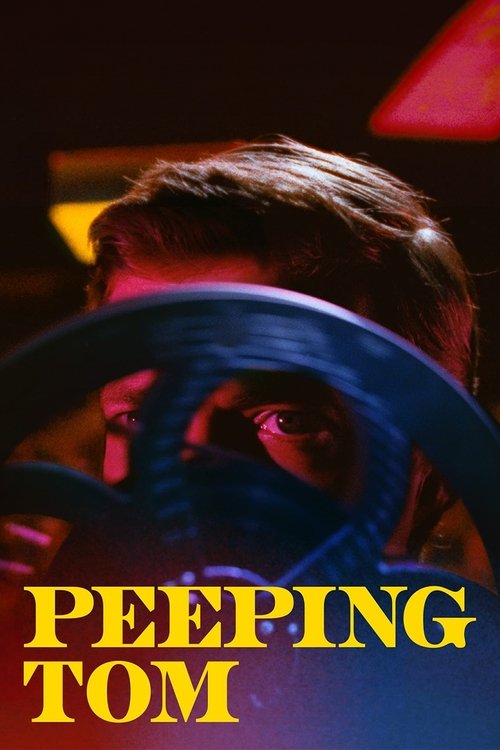
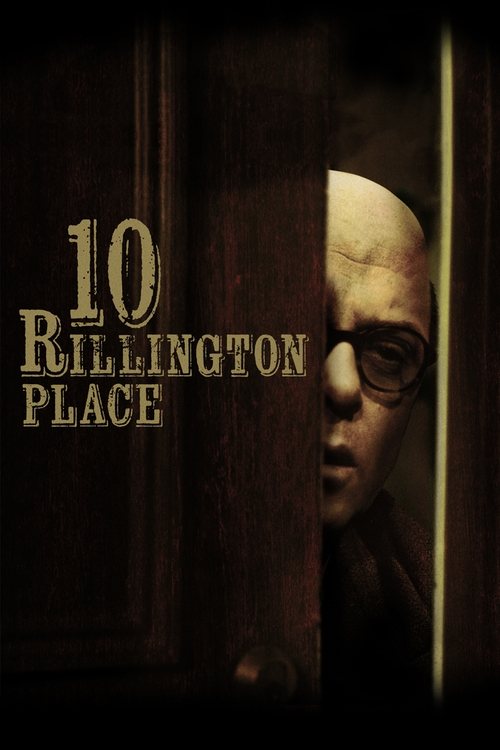
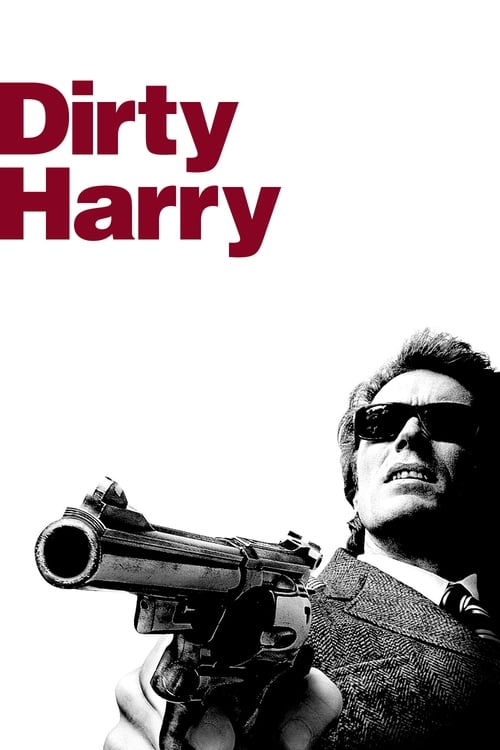
The genre's black-and-white bedrock keeps being rediscovered. Hitchcock brought the killer home to the family dinner table in Shadow of a Doubt. Psycho and Peeping Tom landed within months of each other in 1960 and made the murderer the protagonist; the outrage over Peeping Tom ended Michael Powell's career. The true-crime strain arrived with In Cold Blood and 10 Rillington Place, films that stripped every ounce of glamour from the subject, and Dirty Harry turned the Zodiac panic into the vigilante-cop myth. Everything the 90s made slick, these films made first.
Before Se7en: the classics
The black-and-white and 70s bedrock

The Hannibal Lecter universe
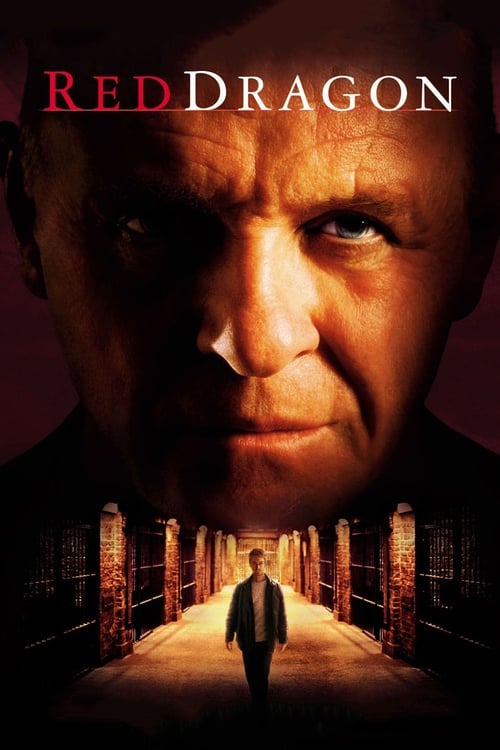
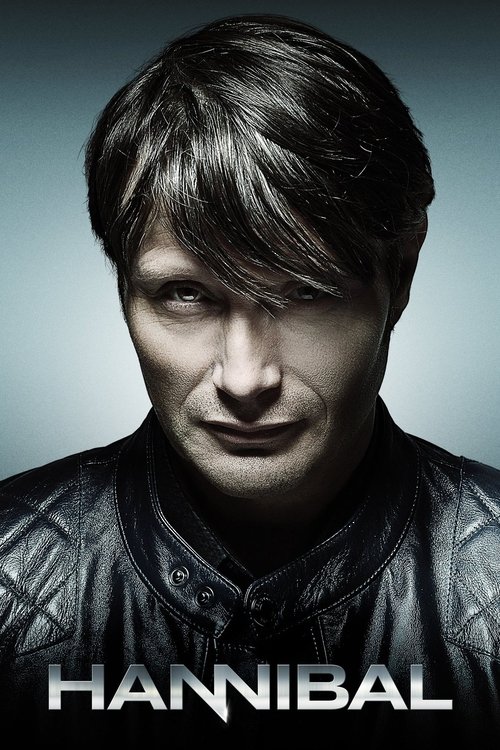
One monster, four decades, every medium



The 90s: the genre goes industrial
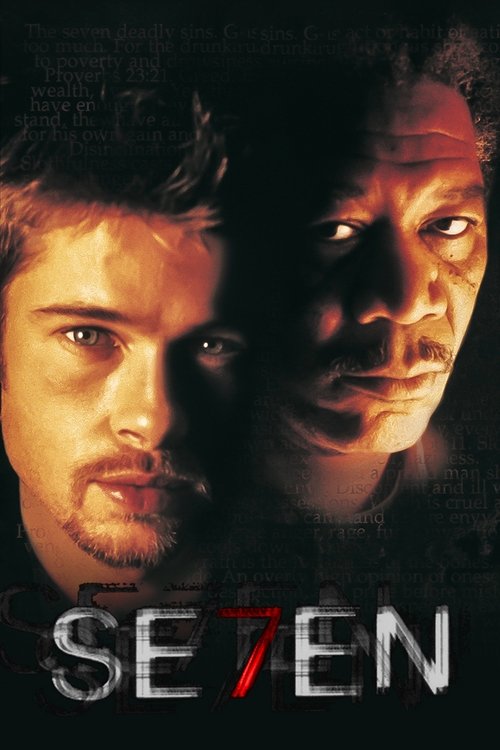
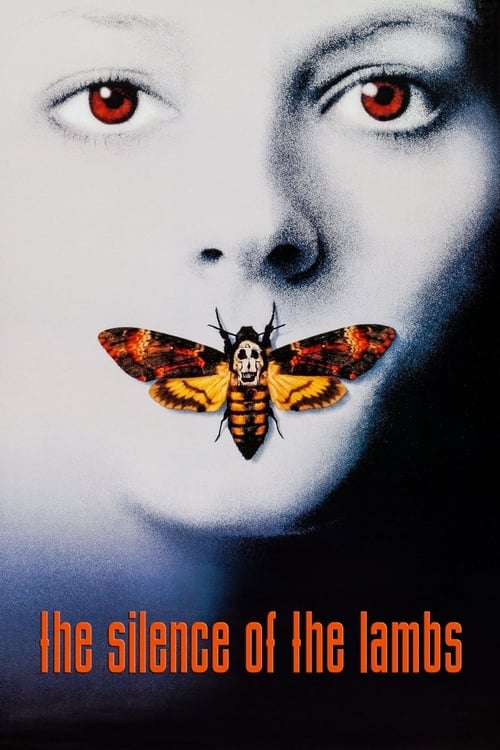
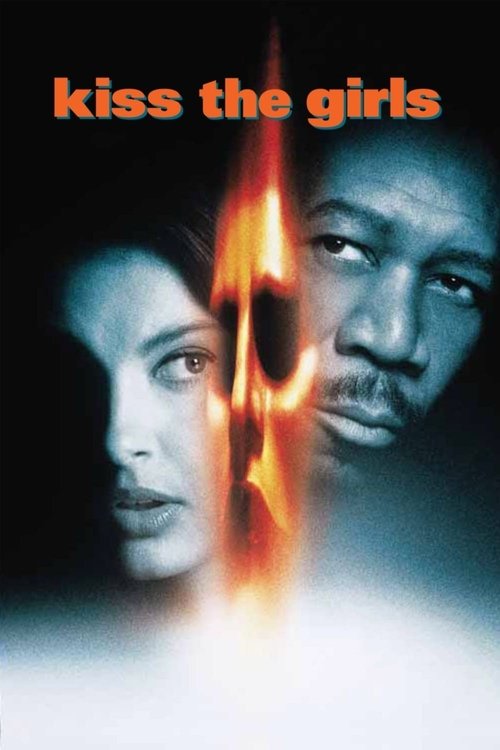
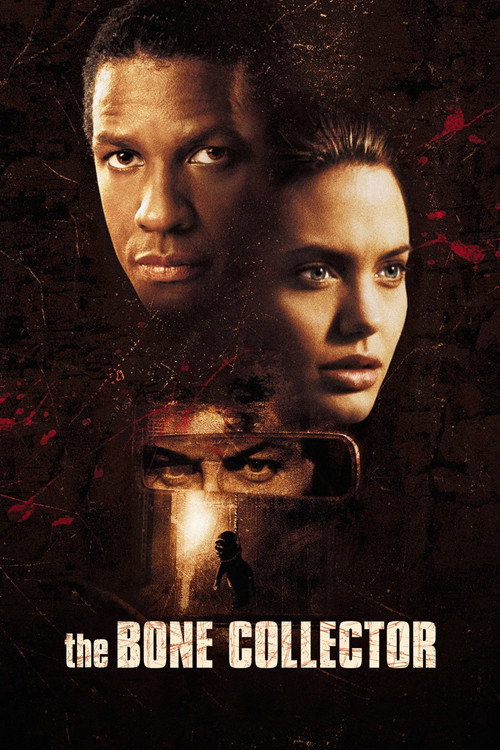
The Silence of the Lambs swept the top five Oscars in 1992, the only horror-adjacent film ever to do it, and Hollywood spent the decade chasing that dragon. Se7en gave the pursuit its art direction: perpetual rain, sin as syllabus, a box. Copycat, Kiss the Girls and The Bone Collector turned the profiler into a franchise engine. The decade's lesson was that audiences would follow the hunt anywhere, provided the hunter bled for it.
The hunt on film: the modern era
From the 90s wave to Longlegs

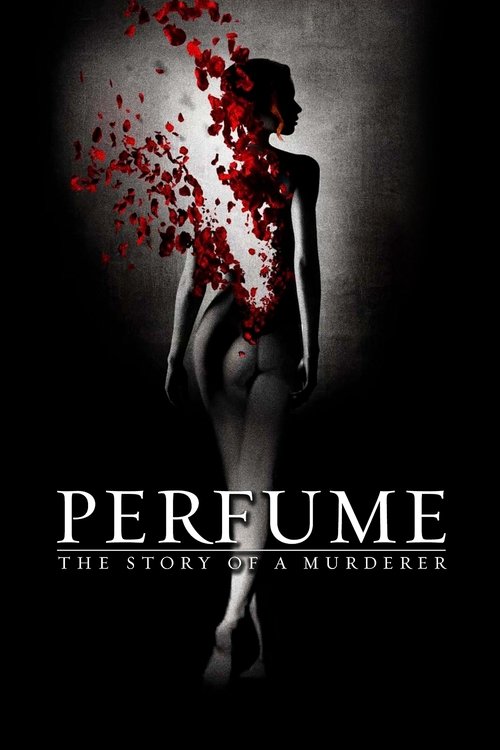
The Korean masters
Where the genre went after Hollywood perfected it
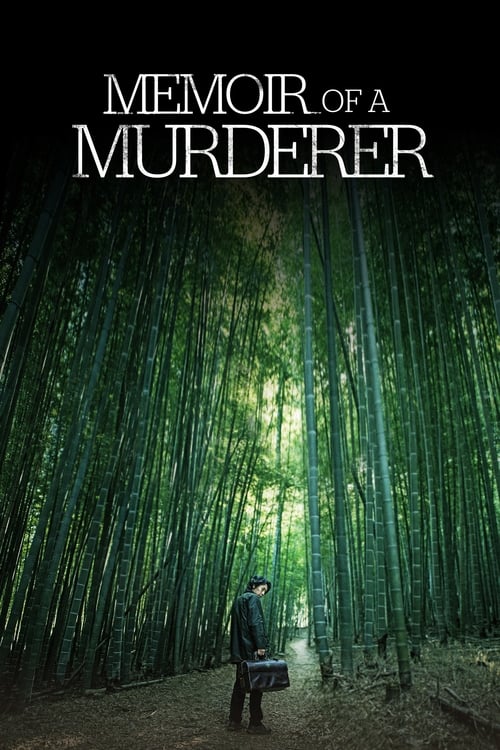
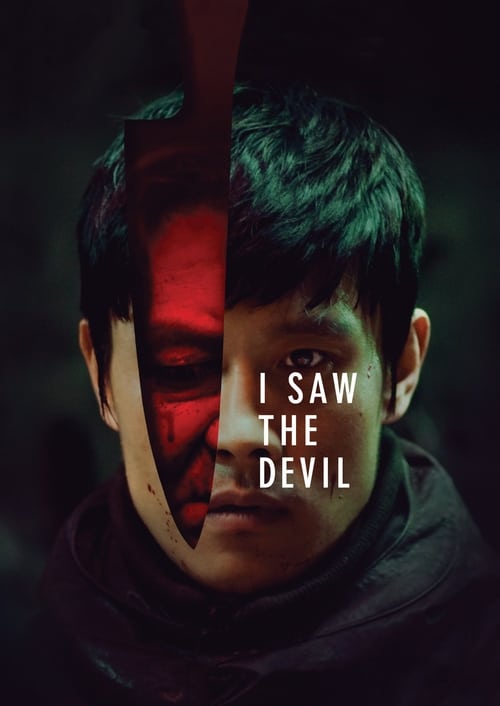
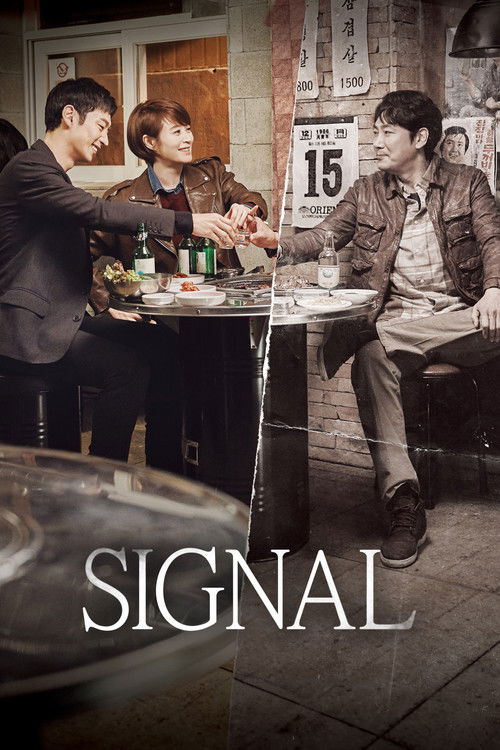

The profilers take television
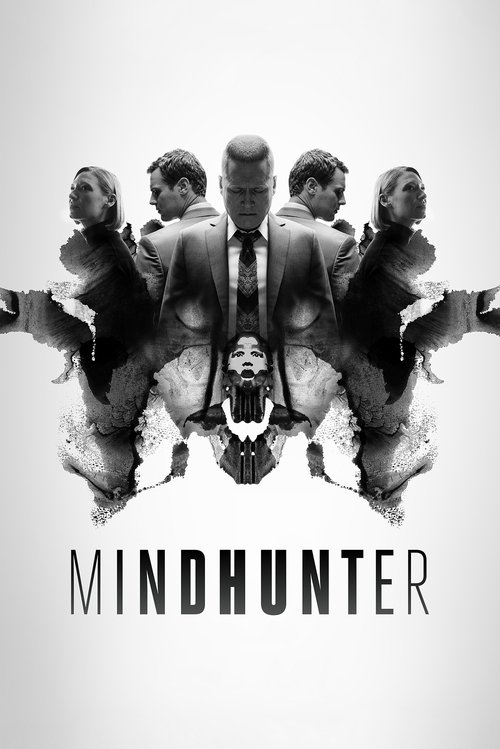
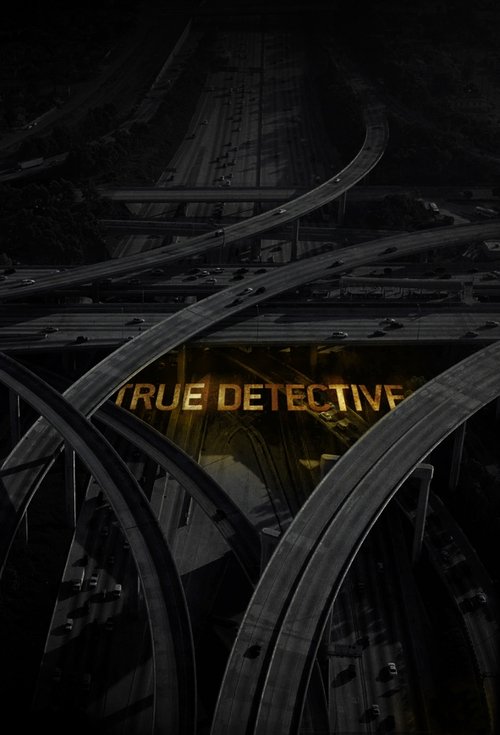
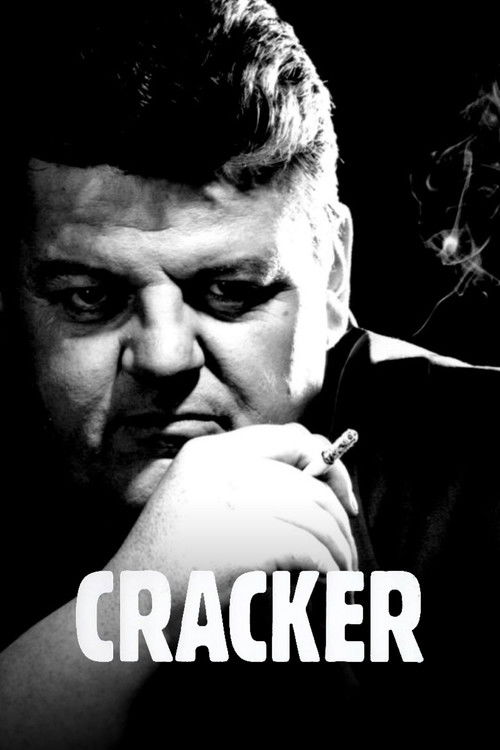
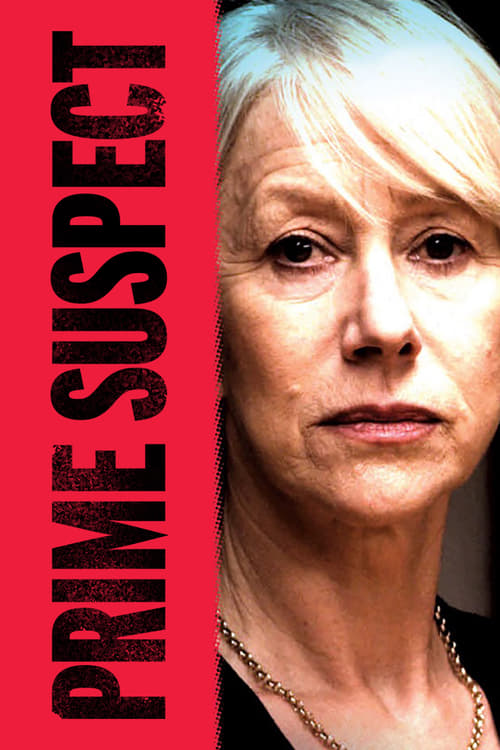
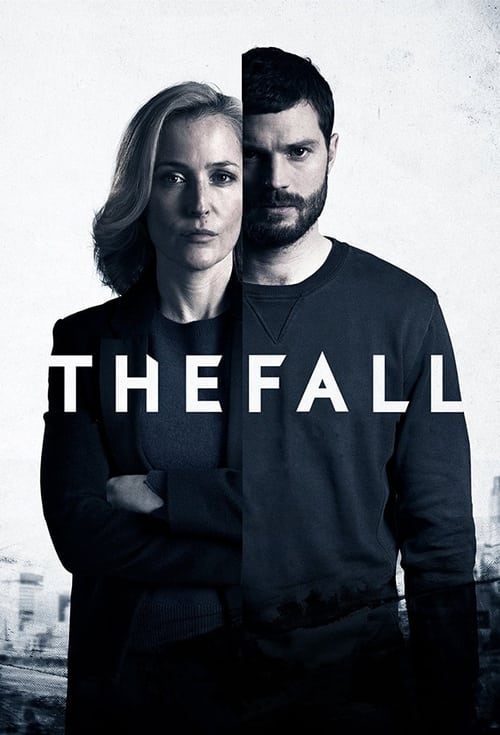
TV was always the genre's natural home, because the hunt is a long game. Britain got there first: Prime Suspect put Jane Tennison against a killer and the canteen culture at once, and Cracker made the profiler a shambling, brilliant wreck. The 2010s went baroque, with Hannibal turning Lecter into gothic opera, The Fall splitting its hours evenly between hunter and killer, and True Detective chasing the Yellow King through seventeen years of Louisiana rot.
Profilers on TV
Reading the killer's mind, weekly
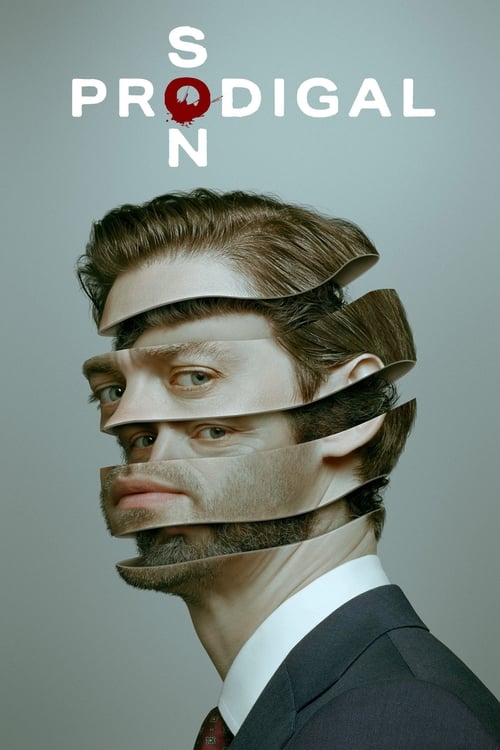
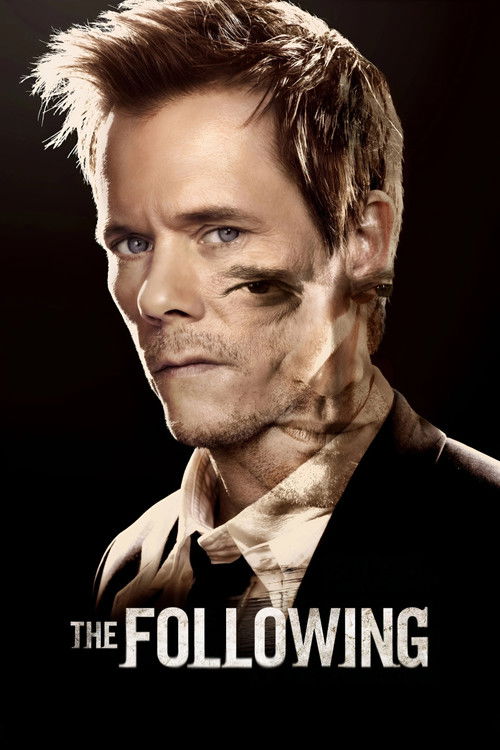
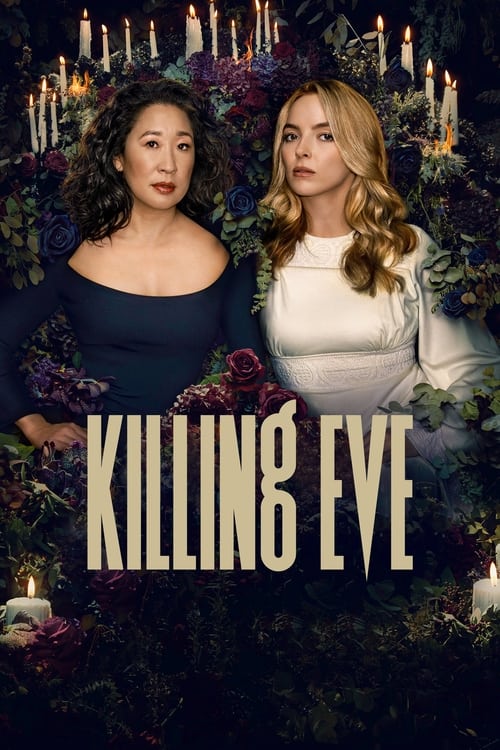
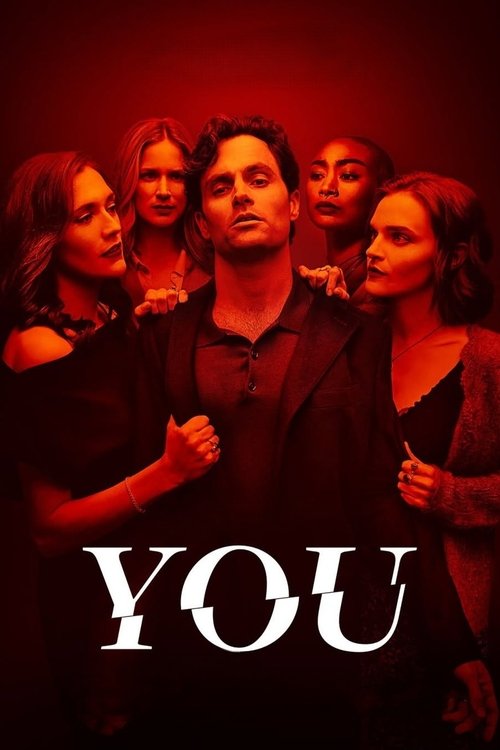
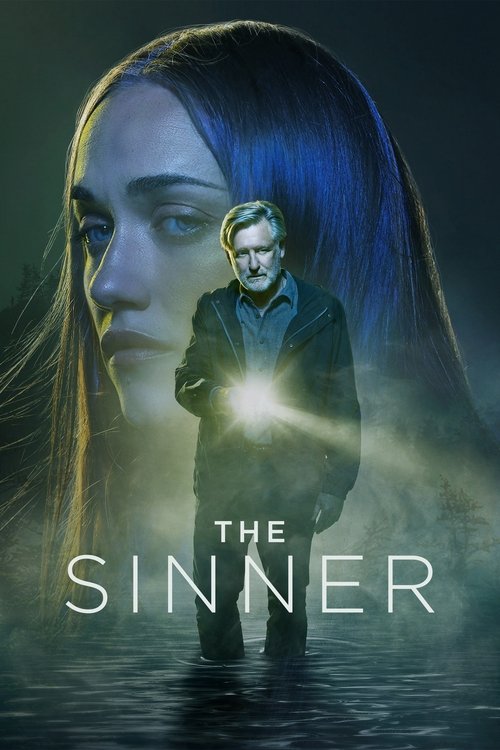
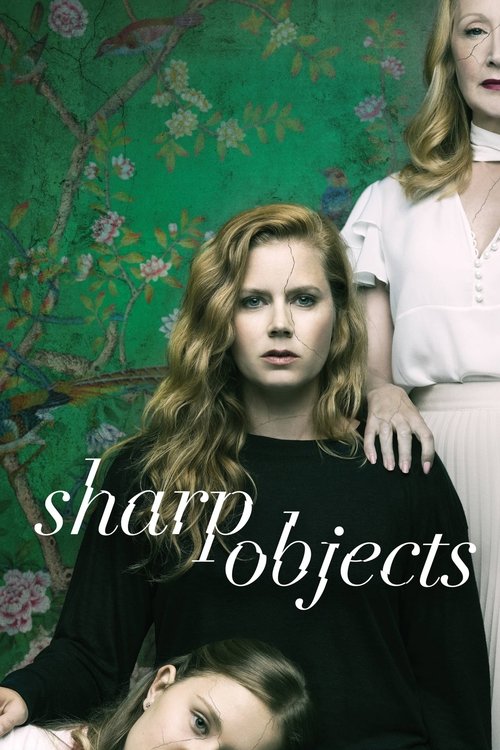
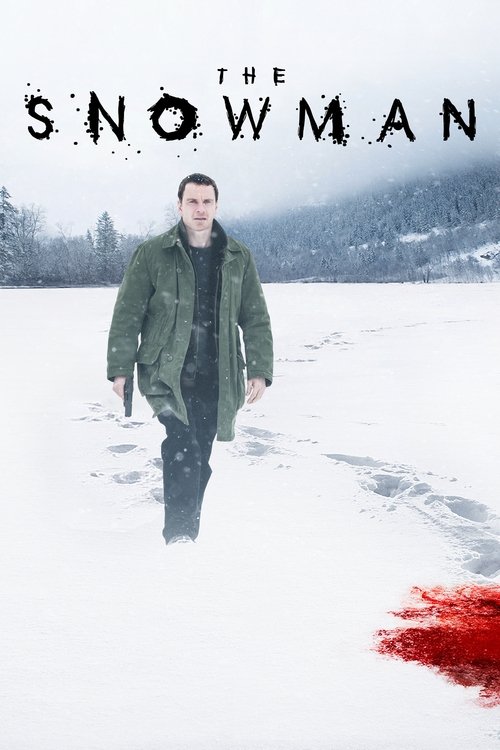
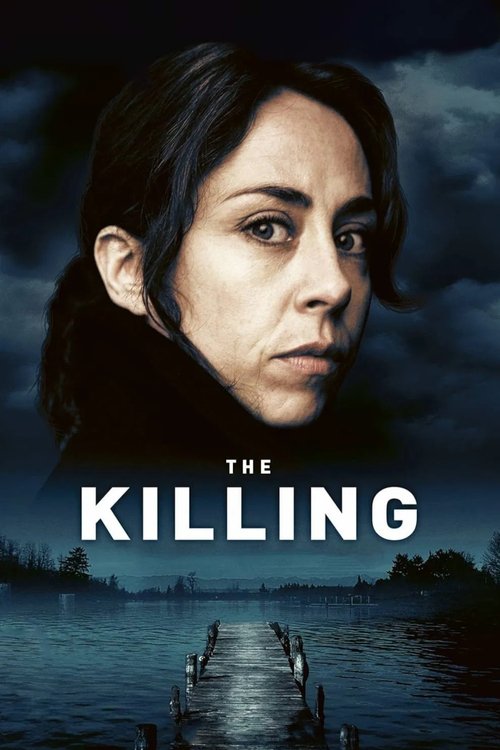
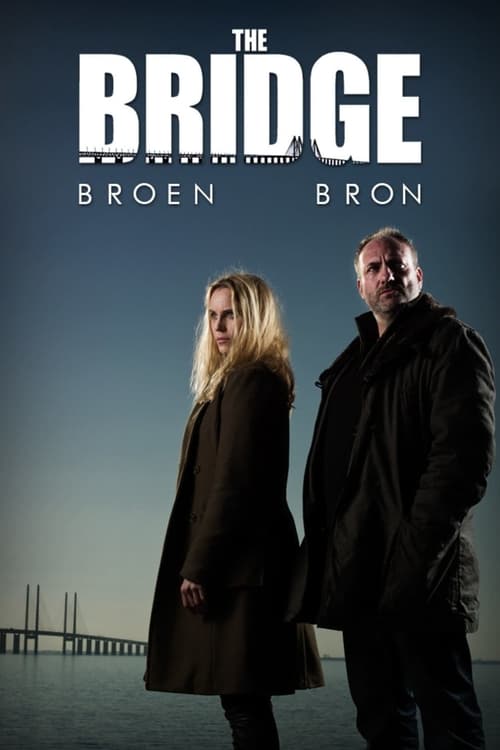
Nordic darkness
Snow, silence and methodical evil
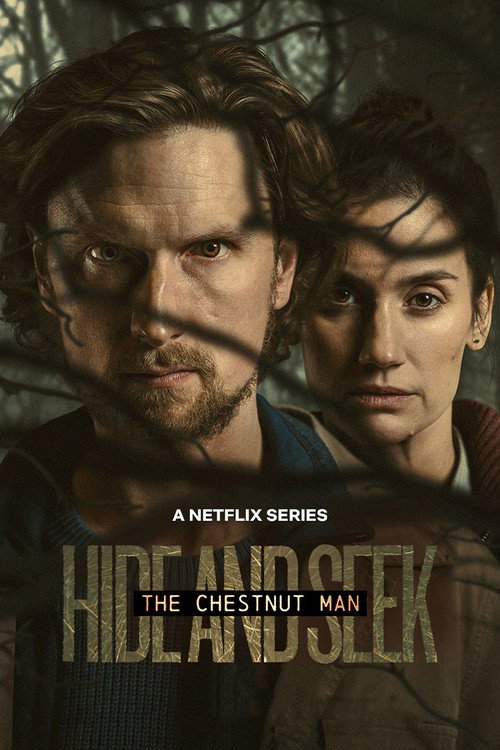
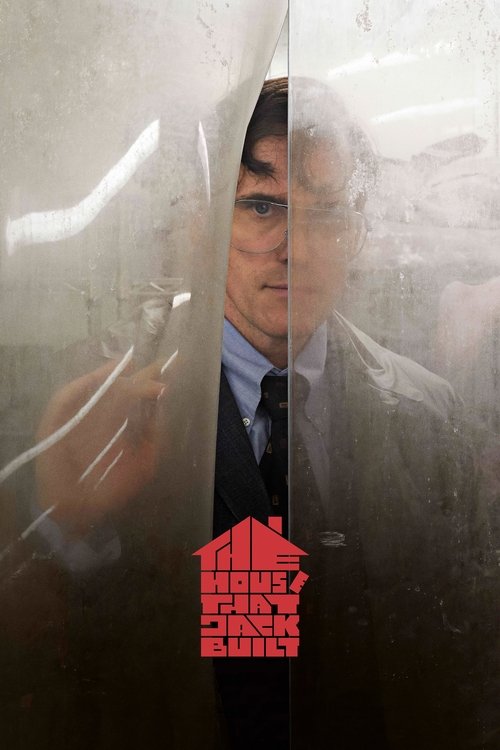
A century of the hunt
- 1931Fritz Lang's M invents the genre: a whole city hunts a child killer M
- 1943Shadow of a Doubt brings the killer into the American family home Shadow of a Doubt
- 1960Psycho and Peeping Tom land months apart; the killer becomes protagonist Psycho
- 1966Capote's In Cold Blood turns true crime into literature In Cold Blood
- 1971Dirty Harry and 10 Rillington Place split the genre into myth and grim record Dirty Harry
- 1981Thomas Harris publishes Red Dragon; the FBI profiler becomes fiction's new detective Red Dragon
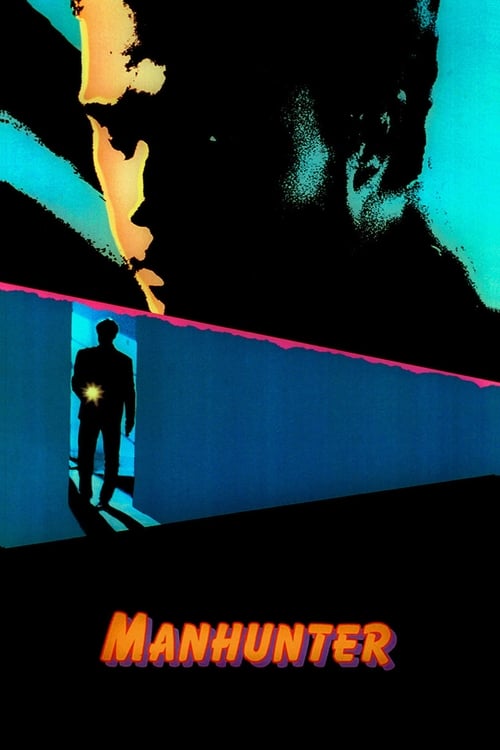
- 1986Manhunter and Henry arrive in one year, hunter's-eye and killer's-eye Manhunter
- 1991The Silence of the Lambs goes on to sweep the top five Oscars The Silence of the Lambs
- 1995Se7en gives the genre its rain-rotted worldview; a thousand imitators follow Se7en
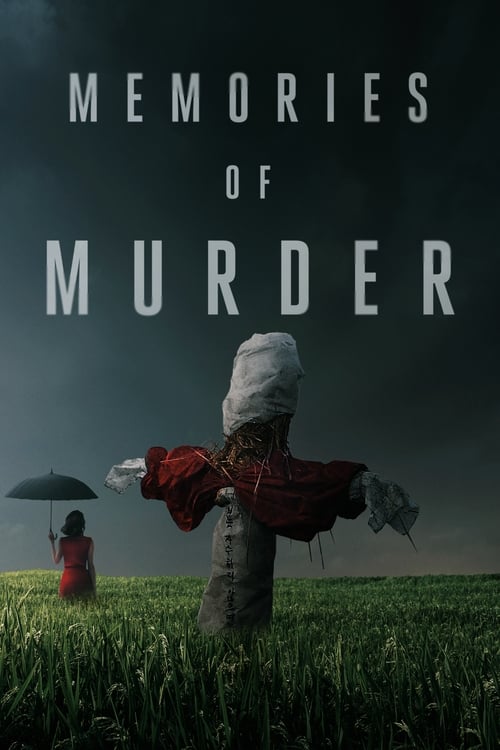
- 2003Memories of Murder reinvents the form as a tragedy of failure Memories of Murder
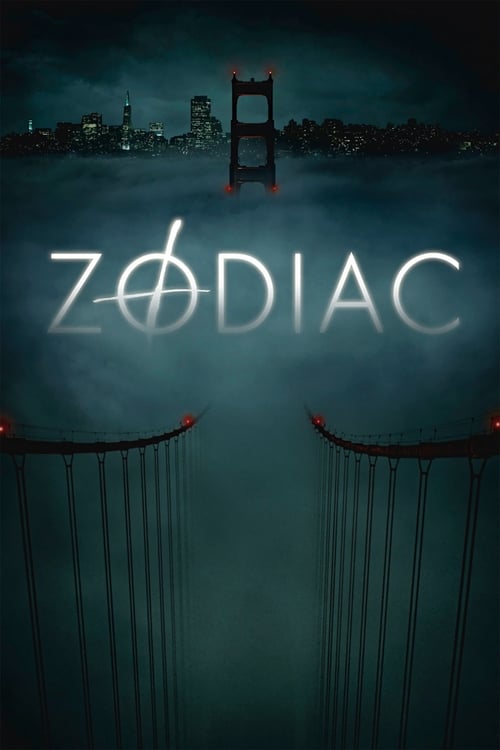
- 2007Zodiac trades catharsis for obsession Zodiac
- 2013Hannibal and The Fall open television's serial-killer golden age Hannibal
- 2017Mindhunter dramatizes the birth of profiling itself MINDHUNTER
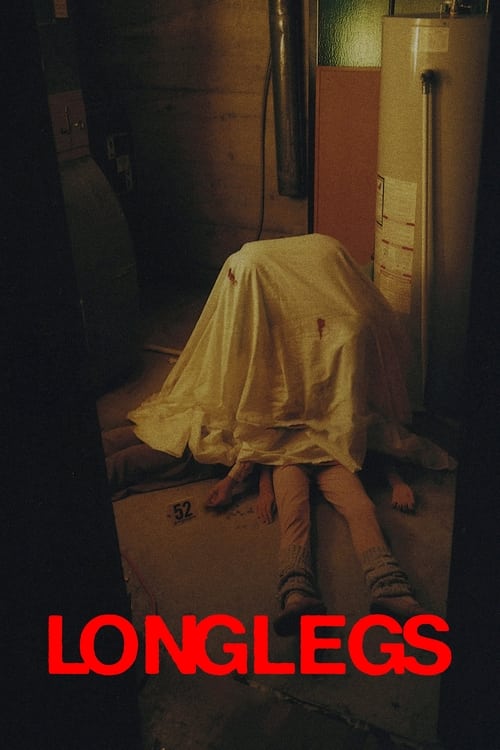
- 2024Longlegs takes the hunt occult and becomes the decade's indie-horror sensation Longlegs
The killer's-eye view, and the real thing
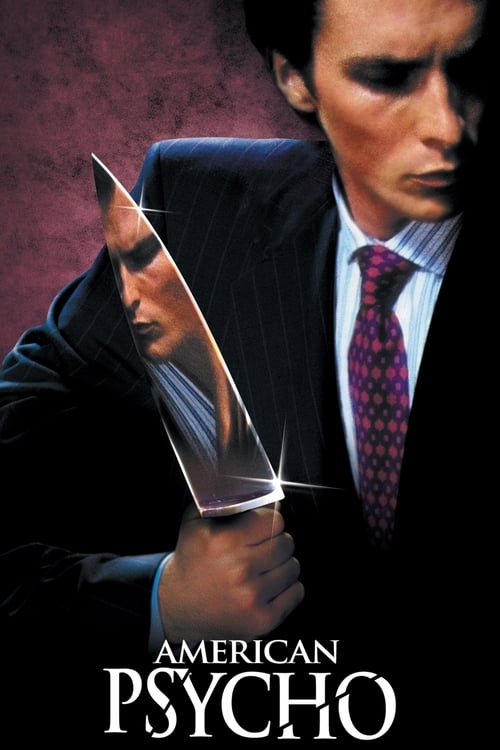
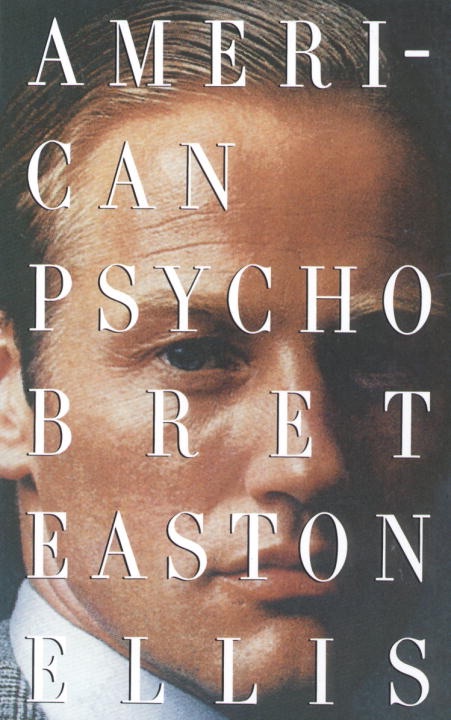
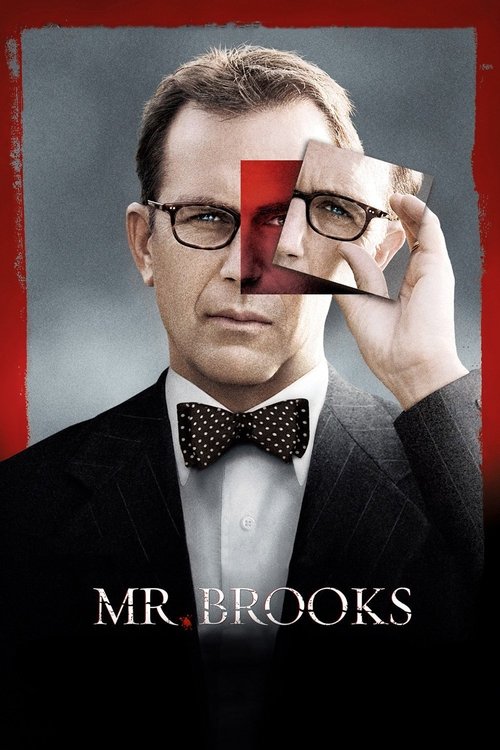
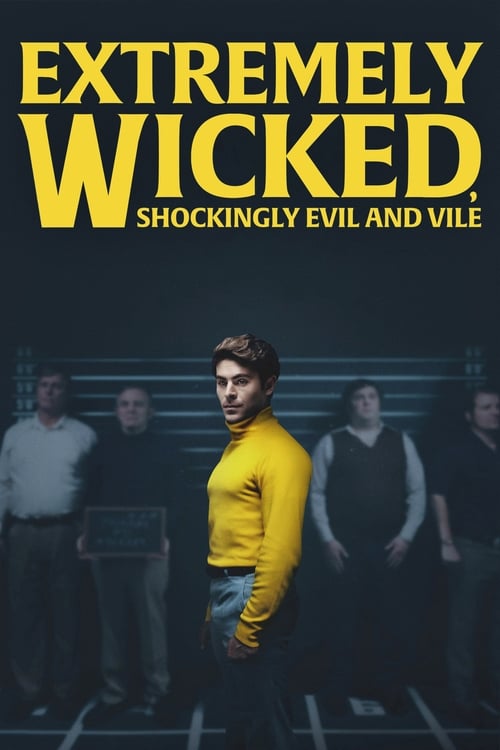
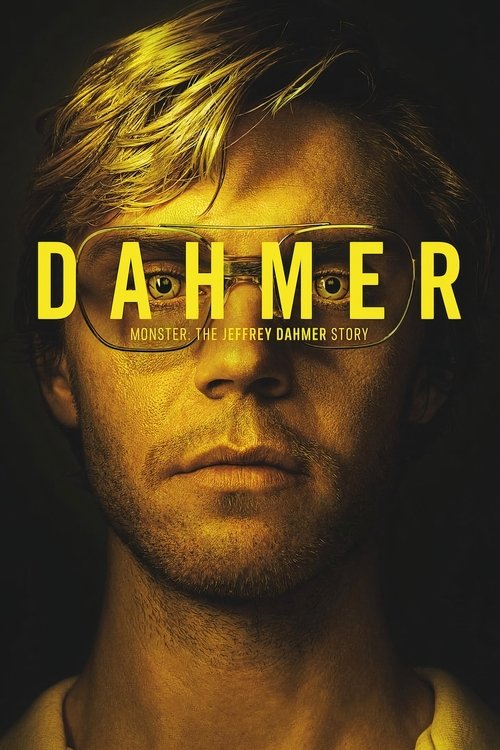
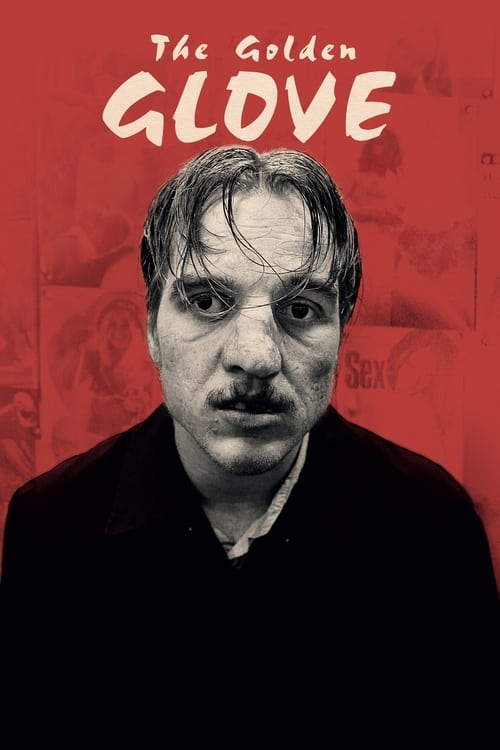
Two adjacent shelves complete the picture. One looks out through the monster's eyes, from Jim Thompson's small-town deputy to American Psycho's designer nihilism, a tradition that implicates the reader on purpose. The other is nonfiction: Ann Rule discovering her crisis-hotline colleague was Ted Bundy, Michelle McNamara coining the name Golden State Killer years before the arrest, John Douglas inventing the vocabulary everyone now uses. The genre's fiction is only as good as this shelf is true.
The killer's-eye view
Stories told from inside the monster
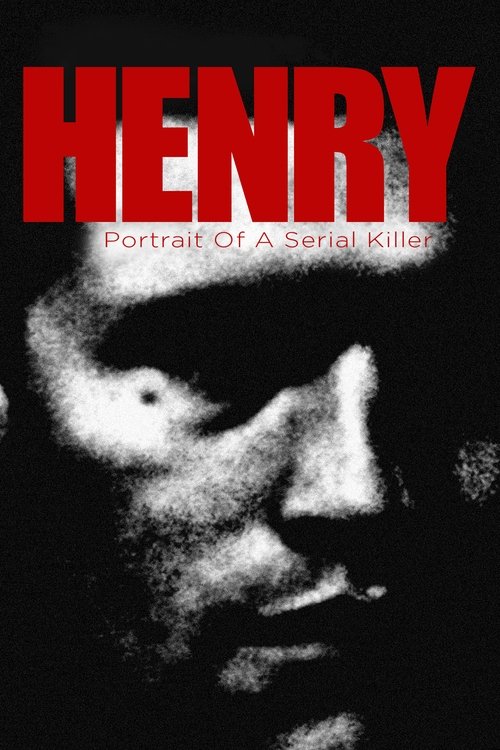

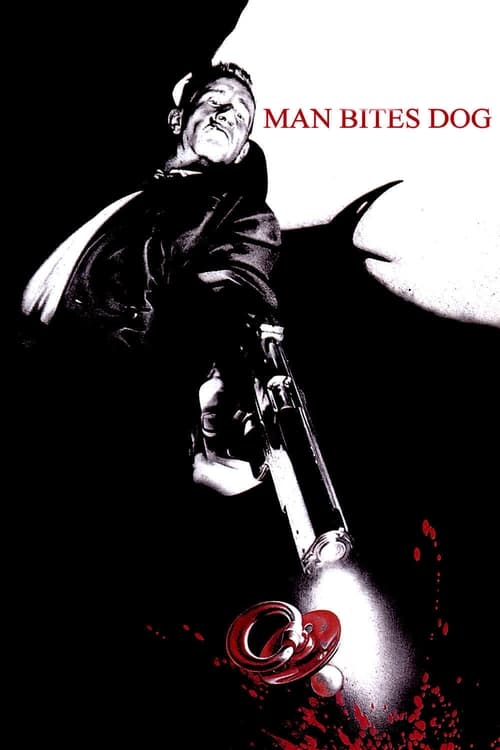



The bookshelf: hunts on the page
The novels that built the genre's engine


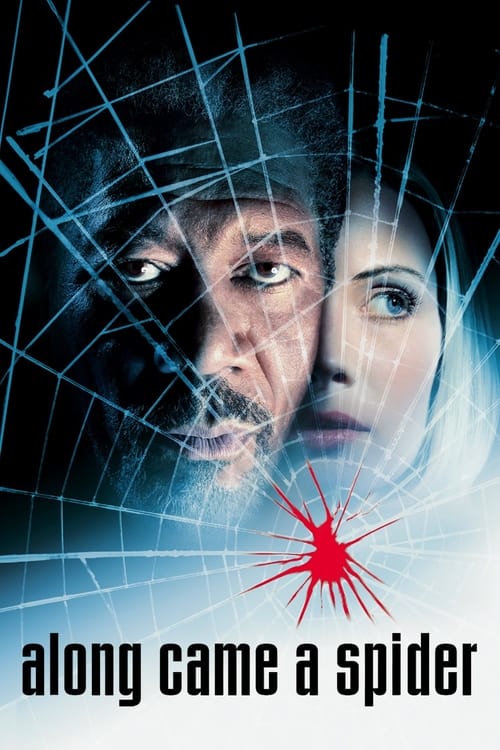

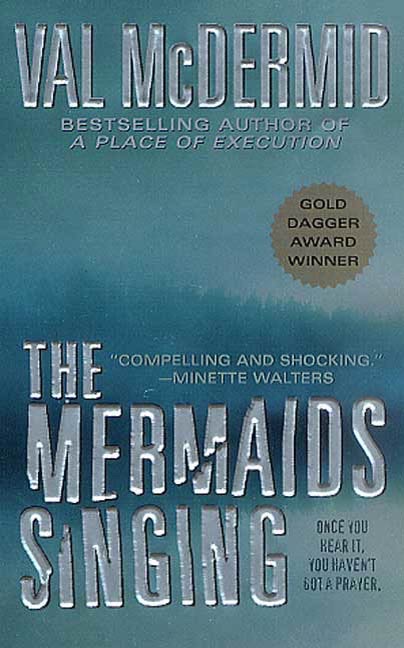


True hunts: documentary and nonfiction
The real cases behind the fiction
 Conversations with a Killer: The Ted Bundy Tapes
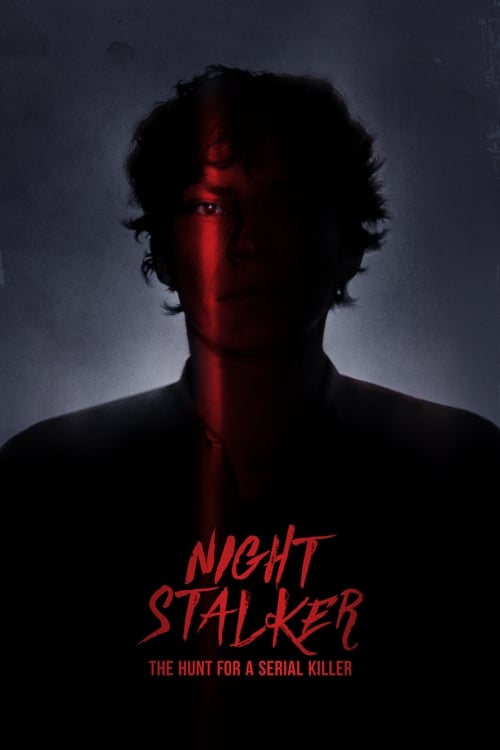 Night Stalker: The Hunt for a Serial Killer
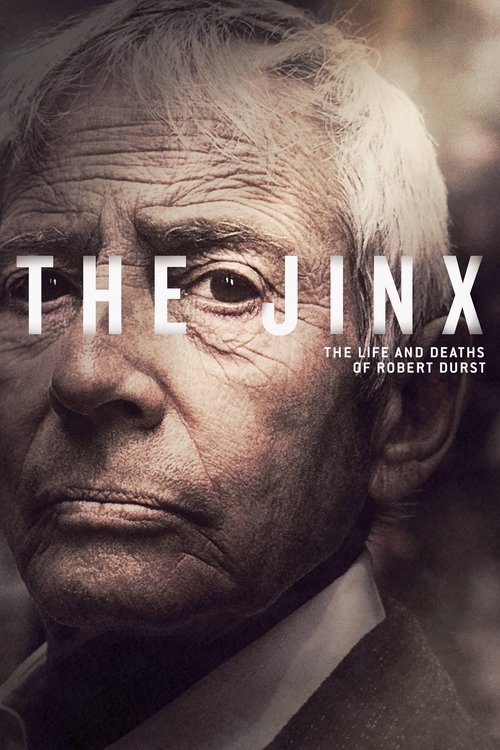 The Jinx
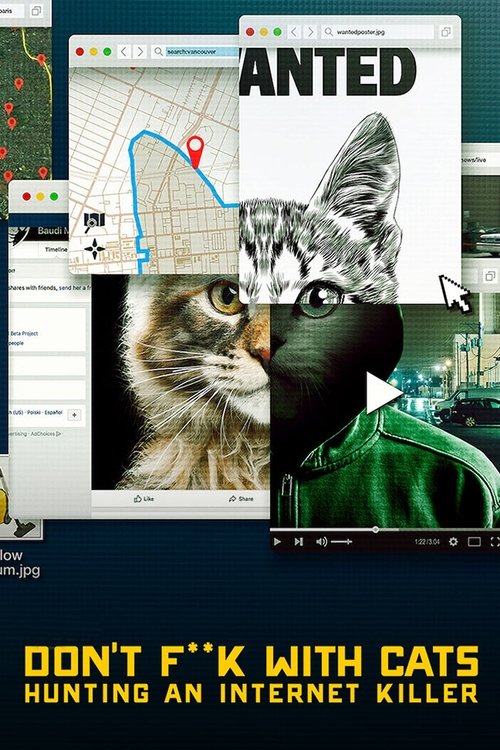 Don't F**k with Cats: Hunting an Internet Killer
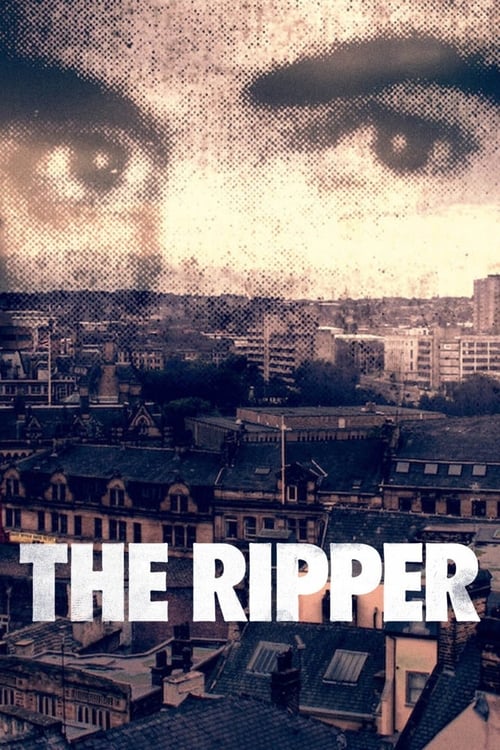 The Ripper
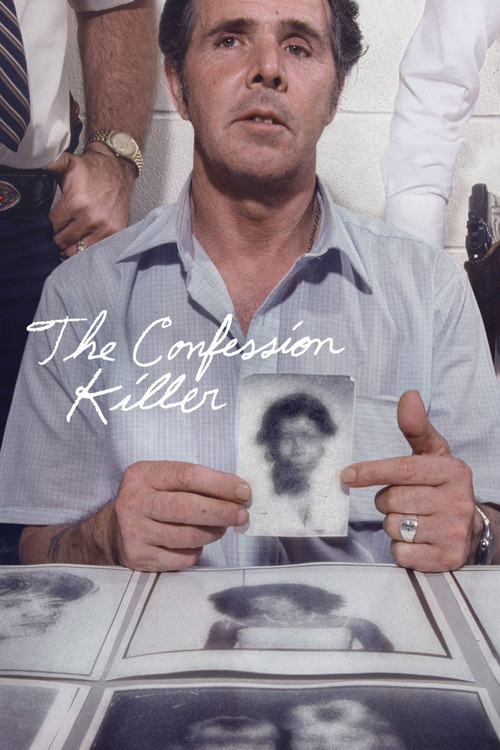 The Confession Killer
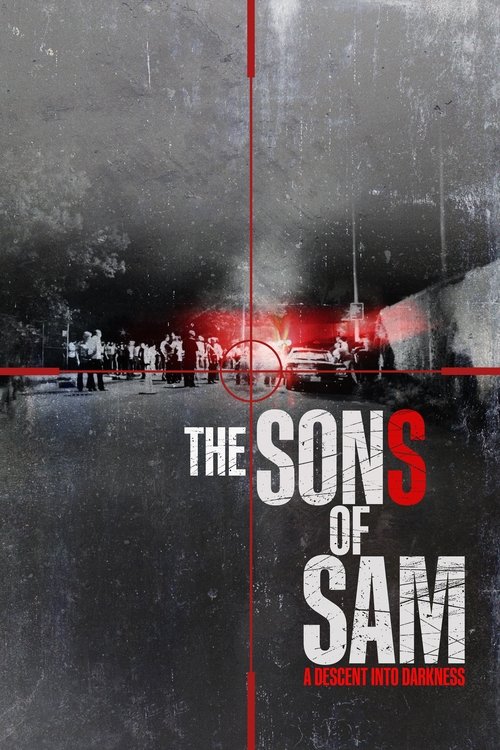 The Sons of Sam: A Descent into Darkness
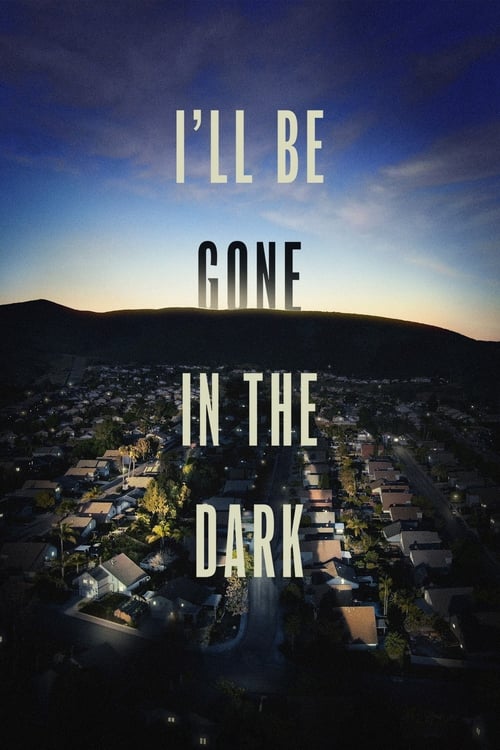 I'll Be Gone in the Dark
 Mindhunter
 The Stranger Beside Me
 I'll Be Gone in the Dark
 Zodiac
 The Devil in the White City
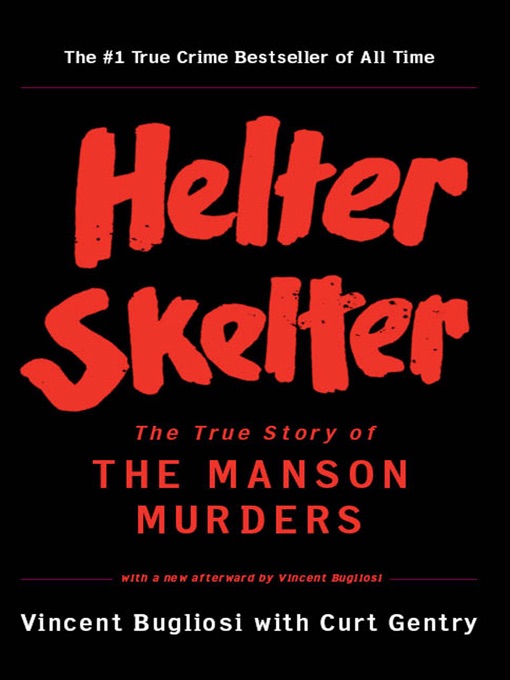 Helter Skelter
 In Cold Blood
 People Who Eat Darkness
 Whoever fights monsters
Victorian shadows: hunting the Ripper
The first celebrity killer never stopped selling papers
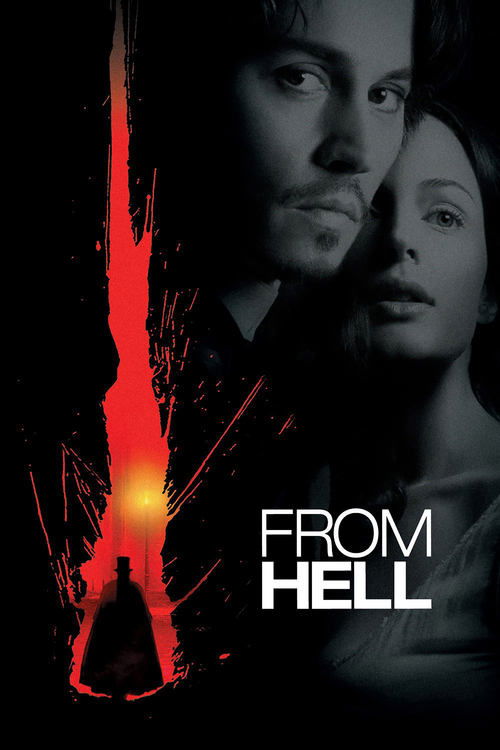
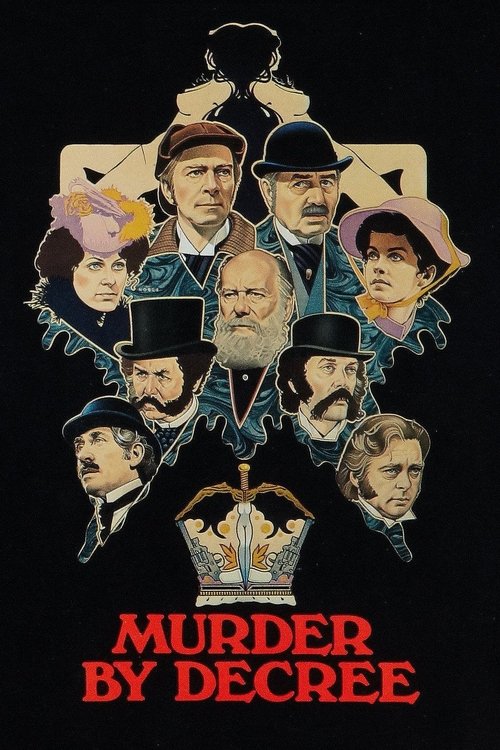

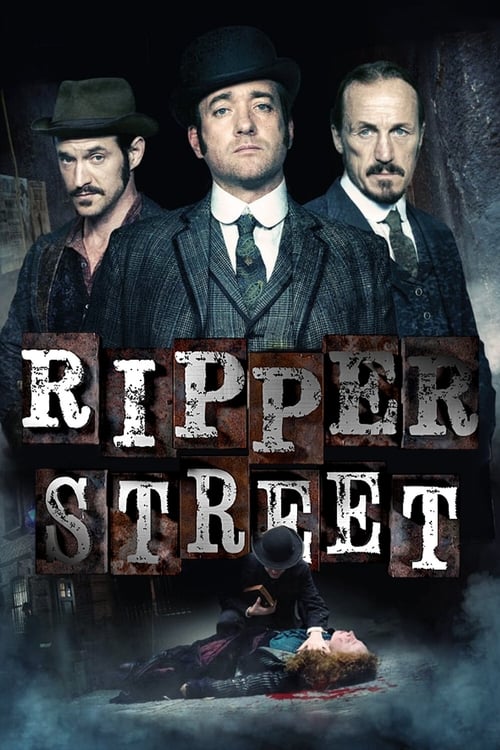
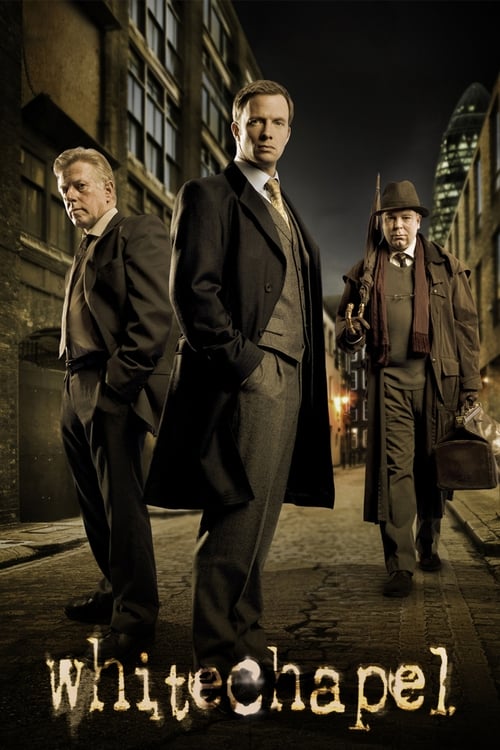
Whoever fights monsters should see to it that in the process he does not become a monster himself.Friedrich Nietzsche, quoted in every profiler's memoir since
Play the detective
The hunt with a controller in your hands
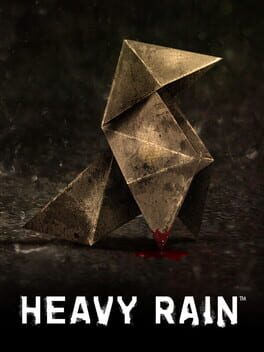 Heavy Rain
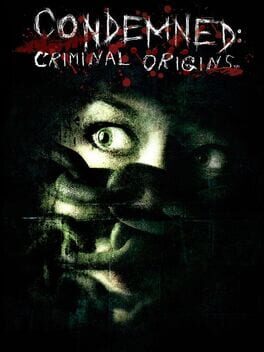 Condemned: Criminal Origins
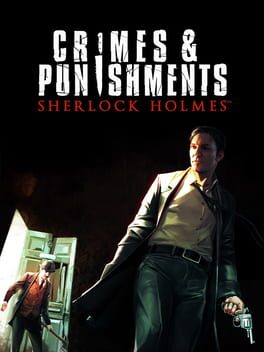 Sherlock Holmes: Crimes & Punishments
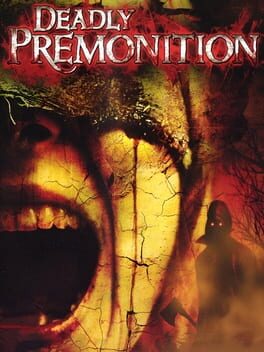 Deadly Premonition
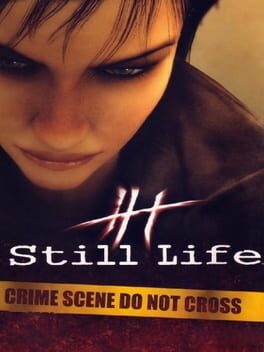 Still Life
 AI: The Somnium Files
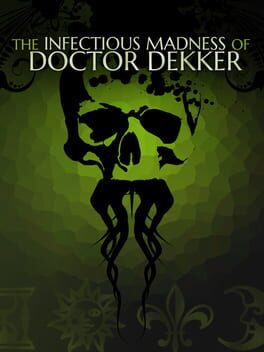 The Infectious Madness of Doctor Dekker
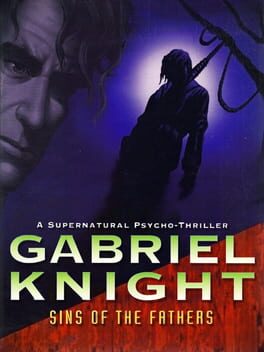 Gabriel Knight: Sins of the Fathers
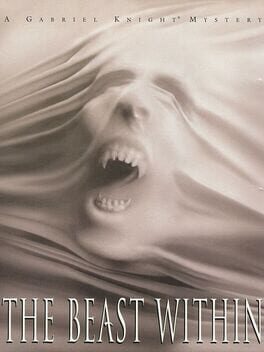 Gabriel Knight 2: The Beast Within
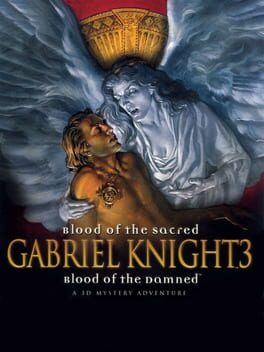 Gabriel Knight 3: Blood of the Sacred, Blood of the Damned
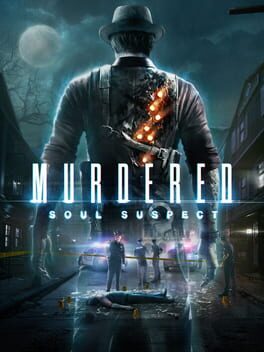 Murdered: Soul Suspect
The hunters and their makers
The directors, writers and faces who defined the genre
Adjacent obsessions
Nordic Noir: The Ultimate Guide to Scandinavian Crime
Explore the Nordic Noir: The Ultimate Guide to Scandinavian Crime guide →Frequently asked
What is the difference between serial-killer thrillers and slasher horror?
Point of view. In a slasher like Halloween or Scream you are with the victims while the killer stalks. In the hunt genre you are with the detective, profiler or journalist working the case, and the killer is a puzzle to be solved. M belongs here because the whole film is a manhunt; Scream does not, because its investigation is set dressing.
What should I watch after Mindhunter?
For the same true-case texture, the documentary I'll Be Gone in the Dark. For the fictional peak of profiling, Cracker and The Fall. And read the source: John Douglas's Mindhunter and Robert Ressler's Whoever Fights Monsters, the memoirs the Ford and Tench characters are drawn from.
In what order should I take the Hannibal Lecter stories?
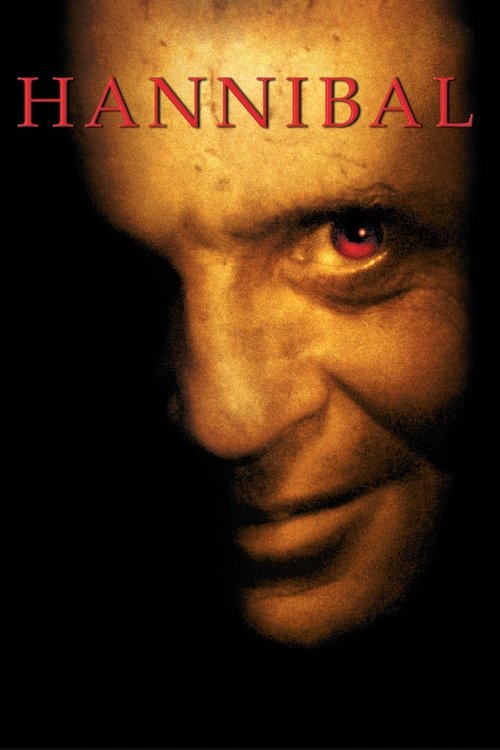
Publication order works best: Red Dragon (1981), The Silence of the Lambs (1988), then Hannibal (1999). On screen, watch Manhunter for Mann's version, then The Silence of the Lambs, then the Hannibal TV series, which remixes the whole canon and contains Mads Mikkelsen's definitive screen Lecter.
Is Zodiac accurate to the real case?
Unusually so. Fincher worked from Robert Graysmith's books plus fresh interviews with surviving investigators, and refused to dramatize murders lacking reliable witness accounts. The film's central frustration, decades of circumstantial evidence pointing at a man who was never charged, is the real record.
Are there good games about hunting a serial killer?
Yes. Heavy Rain builds its whole branching story around identifying the Origami Killer, Condemned plays forensic investigation as first-person horror, and Sherlock Holmes: Crimes & Punishments lets your deductions convict the wrong person, which is more than most films dare.
What are the essential nonfiction books on real hunts?
Start with Ann Rule's The Stranger Beside Me, written as she realized her friend was Ted Bundy. Then Michelle McNamara's I'll Be Gone in the Dark, John Douglas's Mindhunter for the FBI's side, Graysmith's Zodiac, and Erik Larson's The Devil in the White City for the 19th-century case that started the American obsession.