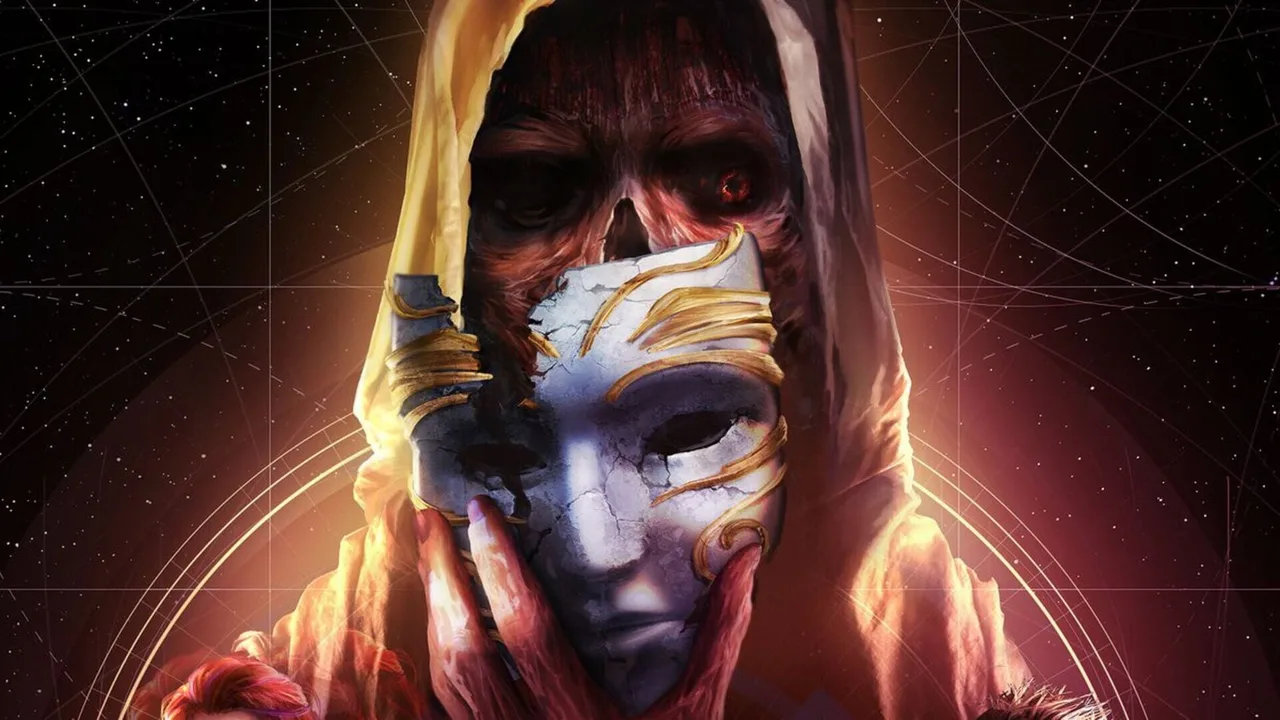
Torment: Tides of Numenera (2017)
Torment: Tides of Numenera is a 2017 role-playing (rpg) video game made by inXile Entertainment.
A billion years from now, humanity's successors sift through the ruins of civilizations whose technology reads as magic. You play the Last Castoff, a discarded body abandoned by a being who cheats death by leaping between hosts, and now something is hunting every castoff it left behind. inXile's writing-first RPG carries the torch of Planescape: Torment, trading swordfights for dialogue, moral weight and one question threaded through it all: the worth of a single life. Choices register as shifting Tides rather than a good-versus-evil meter. The Ninth World is strange, melancholy and dense with ideas worth reading slowly.
Similar games
Explore Torment: Tides of Numenera guides
Torment: Tides of Numenera in our writing
- Companion guide: The CRPG: The Complete Guide to Computer Role-Playing Games
- Companion guide: The CRPG Renaissance: How Kickstarter Brought the Genre Back from the Dead
- Companion guide: Dying Earth: The Complete Guide to the Last Twilight
A few thoughts on Torment: Tides of Numenera
Disco Elysium is the closest living relative, a detective RPG driven entirely by talk, memory and the voices in one skull. For the same puzzle of copied minds and what survives when a body is only a vessel, Ghost in the Shell cuts deep. And Blade Runner asks, in a colder register, what a manufactured life is owed.
Borrowed bodies and the question of who you really are
Torment casts you as the Last Castoff, a discarded body someone else wore first, chased by the being who abandoned you. Blade Runner turns that same doubt about a borrowed self into noir, Ghost in the Shell wrestles with how much a modified body still belongs to its owner, The Time Traveler's Wife strips identity down to what survives displacement, and Phoenix follows souls recycled across lifetimes.
Billion-year futures where old tech reads like magic
The Ninth World is built from a billion years of buried civilizations, tech doing service as magic. Skyrim's Dwemer ruins and God of War's shattered realms of old gods share that trick, Half-Life 2 lets alien architecture loom over a defeated Earth, Galaxy Express 999 rides a mythic train toward the future, and The Girl Who Drank the Moon steeps its world in half-remembered magic.
Weighing whether a single life actually matters
Torment keeps circling back to what one discarded life is worth. Lord of the Flies and The Boy in the Striped Pyjamas strip that question down to its rawest form, Assassination Classroom hides real tenderness for a marked life inside dark comedy, and The Witcher 3 makes every contract a small argument about who deserves mercy.
Elegiac, myth-heavy soundtracks for a dying world
Torment's Ninth World carries a heavy, elegiac hush, closer to myth than adventure. In the Court of the Crimson King set that same ancient dread to a mellotron, The Lord of the Rings: Return of the King score mourns a world passing away, Blade Runner's soundtrack turns melancholy into atmosphere, and Repo! The Genetic Opera sings its future body horror as tragedy.