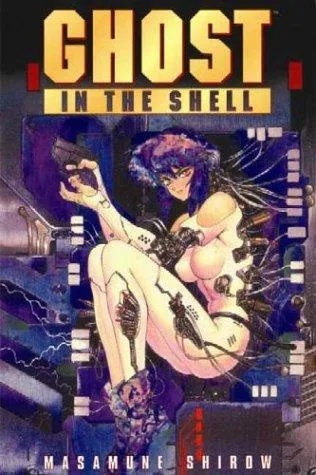
Ghost in the Shell (1989)
Ghost in the Shell is a 1989 cyberpunk title by Masamune Shirow.
In a networked mid-21st century where minds can be augmented, hacked and copied, Major Motoko Kusanagi leads Public Security Section 9, an elite unit that hunts cyber-terrorists and rogue AIs. Kusanagi's own body is almost entirely prosthetic, which turns every case into a question about where the human ends and the machine begins. Masamune Shirow packs the pages with dense technical margins, philosophical asides and hard-edged action, building the seinen manga that seeded a landmark film, television series and games. This is foundational cyberpunk, cold and cerebral, obsessed with identity in a wired world.
Similar titles
Explore Ghost in the Shell guides
Ghost in the Shell in our writing
- original vs remake: Ghost in the Shell's Hollywood Remake Missed the Point
A few thoughts on Ghost in the Shell
Westworld carries the same questions about synthetic minds and manufactured memory into prestige television. Deltron 3030 scores a dystopian future in rap, and Muse's Simulation Theory chases the what-is-real anxiety through arena rock. For playable cyber-dread, Half-Life 2 drops you into an occupied city of surveillance and biotech, while BioShock interrogates free will in a fallen utopia.
The Ghost in the Shell saga across film and TV
Ghost in the Shell began as Masamune Shirow's dense seinen manga and seeded a landmark run of adaptations. These carry Major Kusanagi and Section 9 onto film and television, each reworking the cyborg detective's world with its own take on action, politics, and the identity questions at the core.
Cyberpunk where the body is hardware and the mind can be hacked
Ghost in the Shell turns Kusanagi's almost fully prosthetic body into a running question about where the human ends. These share that obsession, filling their futures with augmented bodies, transferable minds, and machines that blur the line, from a scrapyard cyborg to a train that ferries souls.
First-person sci-fi worlds built to unsettle you
Ghost in the Shell is cold, cerebral cyberpunk obsessed with control and identity, and these games chase the same unease. Each drops you inside a sci-fi world where nothing is quite what it seems, letting dread and philosophy build through the corridors you explore yourself.
Cerebral science fiction obsessed with mind and memory
Ghost in the Shell would rather interrogate consciousness than stage a shootout, packing its margins with philosophical asides. These works keep that thoughtful register, using memory, artificial minds, and the limits of the self to power science fiction that lingers in your head long after it ends.