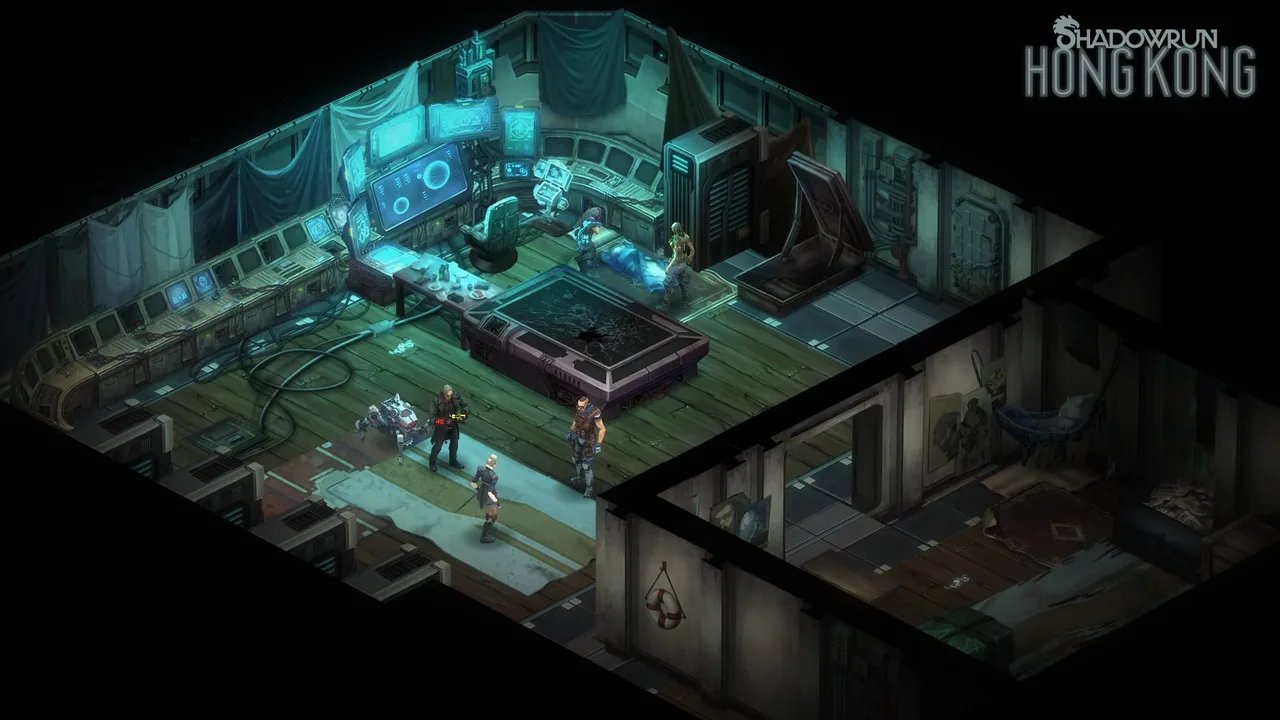
Shadowrun: Hong Kong (2015)
Shadowrun: Hong Kong is a 2015 role-playing (rpg) video game made by Harebrained Schemes.
Hong Kong, 2056, where the walled sprawl and corporate towers hide as much magic as menace. Framed and on the run, you and a crew of runners take shelter in the city's underbelly, working jobs to stay alive while untangling who set you up. The third standalone Shadowrun from Harebrained Schemes refines the formula with a revamped Matrix, expanded cyberware and spells, and denser side-stories between missions. Its blend of Chinese folklore and cyberpunk gives it a flavor the earlier games lack. Talky, atmospheric, and generous with optional character work.
Similar games
Explore Shadowrun: Hong Kong guides
Shadowrun: Hong Kong in our writing
A few thoughts on Shadowrun: Hong Kong
The folklore-meets-chrome setting travels well. Ghost in the Shell shares its fascination with consciousness and the wire, while Vangelis's Blade Runner score sets the neon-noir mood. Deltron 3030 and Muse's Simulation Theory both push the same cyberpunk future into sound.
Cyberpunk fiction that mixes hackers with street magic
Shadowrun: Hong Kong runs its magic and its Matrix side by side, a mash-up cyberpunk rarely allows. Neuromancer wrote the console-cowboy playbook decades before deckers existed. Ghost in the Shell asks what's left of a mind once it's mostly hardware, while Akira's neon-lit, government-experimented Neo-Tokyo shows the genre's dystopian megacity at its rawest. Galaxy Express 999 and Phoenix push the same body-versus-machine question into space and deep time.
Music that sounds like a corporate cyberpunk city
The sprawl in Shadowrun: Hong Kong runs on neon, rain and corporate menace, the same mood these records chase. Blade Runner's score set the template for synthetic melancholy over a rotting megacity. Deltron 3030 raps a cyborg's fall through a media-controlled future, while The Prodigy's industrial breakbeats and Repo! The Genetic Opera's corporate-owned bodies both fit a world where your organs, and your loyalty, belong to someone else.