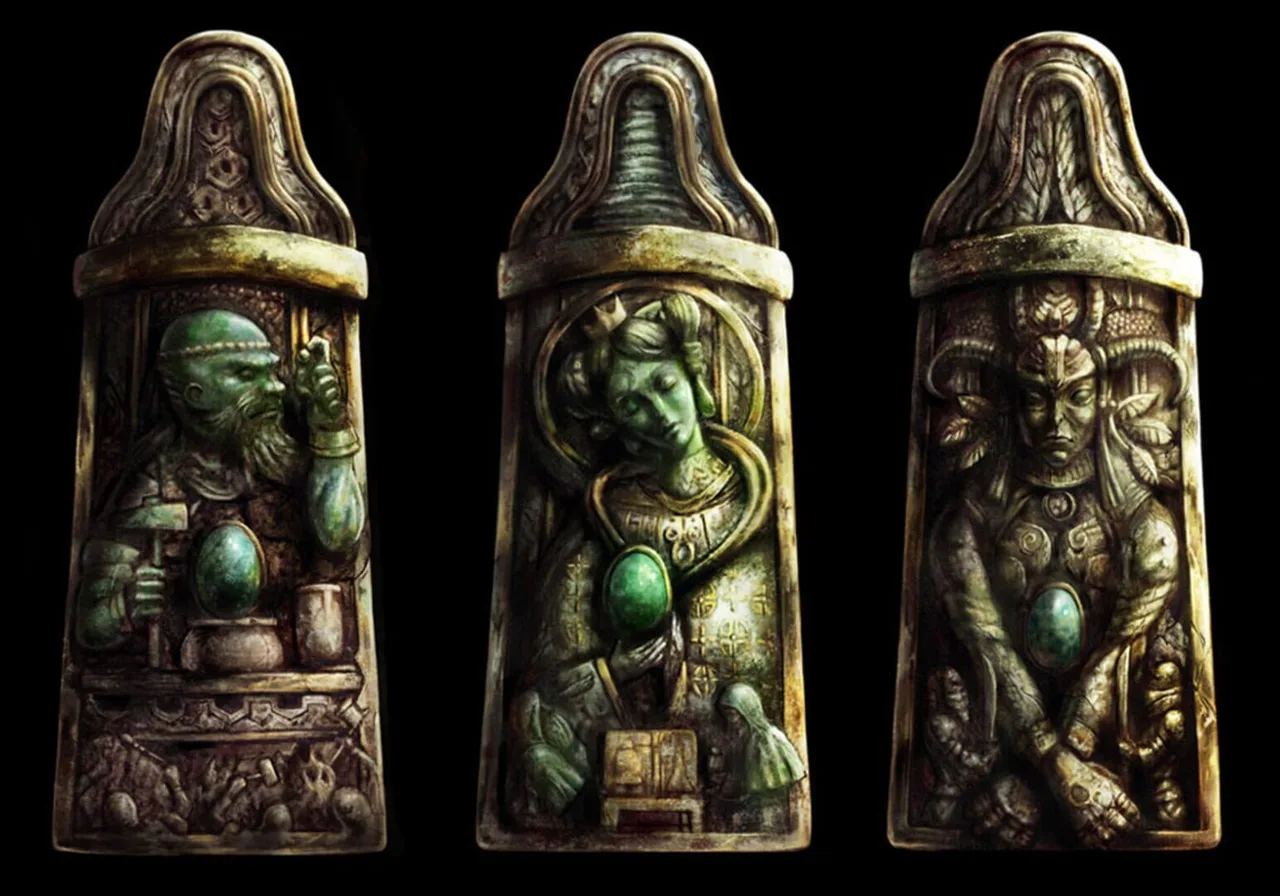
Demon's Souls (2009)
Demon's Souls is a 2009 role-playing (rpg) video game made by FromSoftware.
A colorless fog has settled over Boletaria, and everything it touches turns lethal. The kingdom called for help; the adventurers who answered never returned. You are the next one through the fog. Demon's Souls, FromSoftware's 2009 action RPG, was the template for everything that followed: five distinct archstone worlds, each ruled by an arch-demon, each requiring you to learn its rhythms before it kills you. The multiplayer threads are quiet and atmospheric, messages written in chalk on the floor, phantom helpers, hostile invaders.
Similar games
Explore Demon's Souls guides
Demon's Souls in our writing
- Companion guide: Dark Fantasy
- Companion guide: FromSoftware: Elden Ring, Dark Souls and the Studio That Named a Genre
- Companion guide: Sword & Sorcery
A few thoughts on Demon's Souls
For viewers drawn to the dark-fantasy power-vacuum premise, Log Horizon covers characters navigating a hostile game world with similar stakes, while OVERLORD: The Sacred Kingdom leans into the demonic hierarchy and dungeon-crawler structure.
Epic fantasy books about a world that keeps swallowing the people who try to save it
Boletaria's fog has already taken every adventurer who came before you, and Demon's Souls never lets you forget it. Oathbringer's endless war for a dying kingdom, Wizard and Glass's tragic frontier standoff, Brisingr's grinding dragon war, and The Girl Who Drank the Moon's cursed, sorrow-soaked forest all carry that same weight of accumulated loss.
Grim fantasy worlds where a lost kingdom keeps swallowing anyone who enters
Boletaria is a kingdom already lost, and Demon's Souls is really about what's left of the people still fighting for it. Game of Thrones' crumbling Seven Kingdoms, Overlord: The Sacred Kingdom's undead ruler holding a broken throne, Log Horizon's adventurers stranded inside a world that won't let them leave, Attack on Titan's walled-in humanity, and Hunter x Hunter's deadly trials all trap their people the same way.
Punishing open worlds where every fight might be your last
Demon's Souls built its reputation on making every encounter feel like it could end your run, no matter how careful you'd been. The Witcher 3's monster contracts, Skyrim's unpredictable wilderness, God of War's brutal one-on-one duels, The Last of Us's scavenged survival, and Red Dead Redemption 2's dying frontier all ask you to stay alert or pay for it.
Heavy, doom-laden music for exploring a cursed kingdom
Boletaria's silence is as important as its monsters, and the game's own score leans on dread more than triumph. Judas Priest's Painkiller, Emperor's IX Equilibrium, Fates Warning's The Spectre Within, King Crimson's foundational prog dread, and Howard Shore's Return of the King score all carry that same sense of a world groaning under old, patient evil.