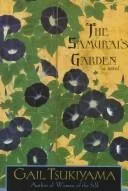
The Samurai's garden (1995)
The Samurai's garden is a 1995 man-woman relationships book written by Gail Tsukiyama.
On the eve of the Second World War, a young Chinese painter named Stephen is sent to his family's seaside house in Japan to recover from tuberculosis. He expects solitude, rest, and clear coastal light to paint by. Instead he is drawn into the lives of the villagers: Matsu, the reserved caretaker who tends a spare and beautiful garden, and Sachi, a woman living apart from the world for reasons the years slowly disclose. Gail Tsukiyama writes in clean, unhurried prose about patience, illness, love, and the quiet dignity of people the world has turned away from.
Similar books
The Samurai's garden in our writing
- Companion guide: Samurai & Feudal Japan
A few thoughts on The Samurai's garden
Departures, the Japanese film about a man who finds meaning tending to the dead, shares this novel's stillness and its care for people society keeps at a distance. Ryuichi Sakamoto's spare album Async suits the reading too, contemplative music that matches the painter's patient eye and the hush of the garden.
Outsiders learning the rules of a Japanese village
Stephen spends the whole novel as a guest who never belongs: a Chinese painter convalescing in a Japanese seaside town, reading the place through a sketchbook. These books and films keep that angle of vision, a stranger picking up a village's rules one season at a time, from Lafcadio Hearn's essays to a Kyoto lodging house and an American cook in a Tokyo ramen kitchen.
Slow stories about illness and the people who stay
Matsu tends Stephen's tuberculosis the way he tends the garden, with daily attention and almost no talk, and Sachi keeps her own illness behind a village wall. These films work the same register: someone sick, someone staying, long stretches where the only event is care. Akitsu Hot Springs shares the setup outright, a convalescent and the woman who nurses him through a season.
Families caught between China and Japan before the war
Tsukiyama sets the book in 1937, with Japan's army moving through China and Stephen's family scattered between Hong Kong and Kobe. The fighting stays offstage, arriving as letters and radio bulletins that unsettle the household by degrees. These novels and dramas work the same seam, ordinary people on both sides of that border holding a life together while the front line moves closer.
Quiet stories where the seasons do the plot work
Matsu's garden measures time in the novel: rocks raked, blossoms counted, a pond kept clear while Stephen's health returns by degrees. Reach for these when you want that pace. A Sakamoto album built from weather and silence, village romances shot in long takes, Dazai's last unfinished pages, and a comic that lets its lakeside summer pass without hurrying anyone along.