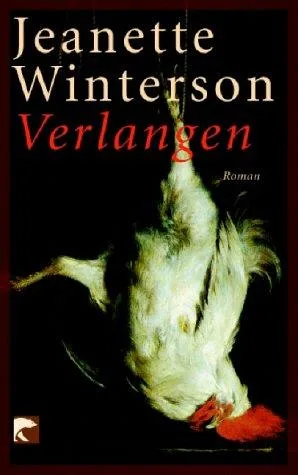
The passion (1989)
The passion is a 1989 napoleonic wars, 1800-1815, fiction book written by Jeanette Winterson.
Two lives cross in the wreck of Napoleon's Europe. Henri, a soft-hearted French soldier, ends up cooking chickens for the Emperor and worshipping him from close range. Villanelle, the web-footed daughter of a Venetian boatman, deals cards in a casino and loses her heart, quite literally, to a married woman. Jeanette Winterson braids their voices through war and Venice, mixing hard historical fact with fable, gambling, and the city's fog. The prose is spare and incantatory, circling passion in every sense: love, obsession, faith, appetite. A short, strange novel from 1987 that reads like a spell.
Similar books
Explore The passion guides
A few thoughts on The passion
The film Orlando, Sally Potter's adaptation of Woolf, shares this book's shape-shifting play with gender, centuries, and dreamlike history. For the doomed wartime-love register, The English Patient carries the same lyrical ache across a broken map of Europe. Both trade in beauty and loss more than plot, which is exactly Jeanette Winterson's register.
War-era love stories that read like a spell, not a plot
Henri and Villanelle move through Winterson's Napoleonic Europe like figures out of legend, the way The English Patient turns a desert love affair into something like scripture, or the way The Song of Achilles retells a war epic as an intimate devotion between two men. Orlando drifts through centuries as one restless identity refusing to be pinned down, and Mata Hari, dancer turned spy, blurred fact into performance too.