Meet the Press (1947)
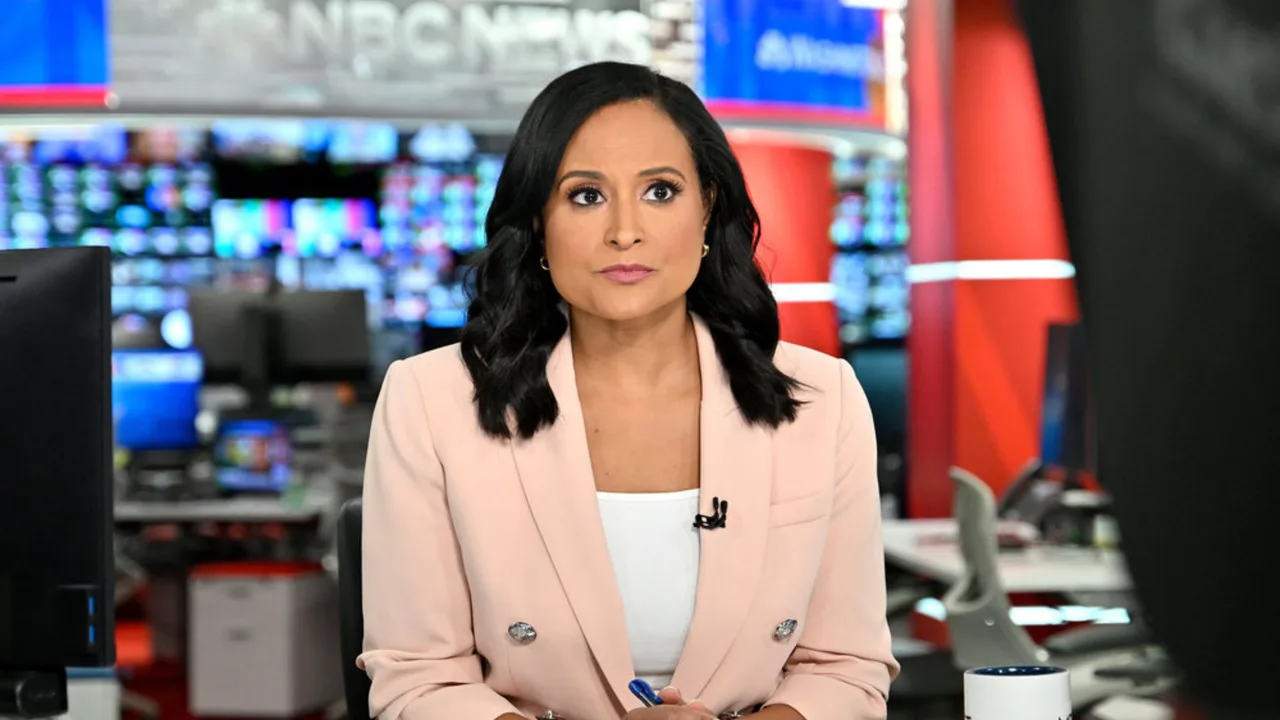
Meet the Press is a 1947 news series created by Martha Rountree and Lawrence E. Spivak. It stars Kristen Welker, Chuck Todd and Tim Russert.
Sunday morning, one table, and a guest who has agreed to sit for questions about the week in Washington. Meet the Press first aired on NBC on November 6, 1947, and it has run longer than any other program on American television, though the format has changed a great deal since that first broadcast.
The hour is built around the interview: leaders from Washington, from around the country and from abroad, pressed on politics, economics, foreign policy and other public affairs. Panel segments follow, with journalists and analysts working over the same material and offering analysis. Eleven moderators have run the program since Martha Rountree opened it, among them Ned Brooks, Bill Monroe, Garrick Utley, Chris Wallace, Tim Russert, and Kristen Welker, who presents it now.
Production moved to NBC's bureau on Capitol Hill in January 2021, putting the broadcast inside the city it spends most of its time covering. It draws the largest audience of the American Sunday morning talk shows. Come to it for the running record it keeps: nearly eight decades of officials answering questions, or declining to, in their own words and on tape.
Official site
Cast
Similar series
Explore Meet the Press guides
A few thoughts on Meet the Press
Mike Wallace Is Here assembles a documentary out of decades of broadcast interviews, so you see the adversarial style from the other side of the desk. The Elements of Journalism sets out the standards reporters hold themselves to, useful if you want a vocabulary for what a good question does. War on Peace digs into the State Department and American diplomacy at a depth a single Sunday segment can only sketch. Truth dramatizes a network news story coming apart under scrutiny, and Citizenfour follows reporters working a source away from any studio. Lions for Lambs puts a long interview between a senator and a journalist at its center. For a lighter angle on the same city, Doonesbury has been running its comic-strip commentary on Washington since 1970.
TV shows that have run for decades without a break
Meet the Press has aired since November 1947, longer than any other American television program, and the set has outlasted eleven moderators. These have the same staying power: morning shows, nightly bulletins and late-night hours that survived format overhauls, host changes and whole eras of television, and still run under the name they started with.
Interviewers who press a guest and keep pressing
The hour on Meet the Press belongs to the interview: one guest at the table, questions about policy, economics and foreign affairs, and follow-ups when the answer drifts. These programs work the same way, around a host who prepares hard and stays on a subject. Some run a full hour with a single chair, others cut between several.
Books on how the news gets made
Meet the Press follows its interview with a panel of journalists working over the same material. These books take up the question behind that: how a story gets chosen, sourced and framed before it reaches you. The Elements of Journalism sets out the working standards, Manufacturing Consent argues the other case, and the rest trace how broadcasting grew up.
Films about reporters chasing a story
Meet the Press turns on a reporter asking a question and holding the follow-up. These films put that work on screen: a network story coming apart under fact-check, a source handing over documents in a hotel room, a journalist detained abroad. They cover the reporting itself, the pressure on a newsroom and the cost the people involved carry.