Klan (1997)
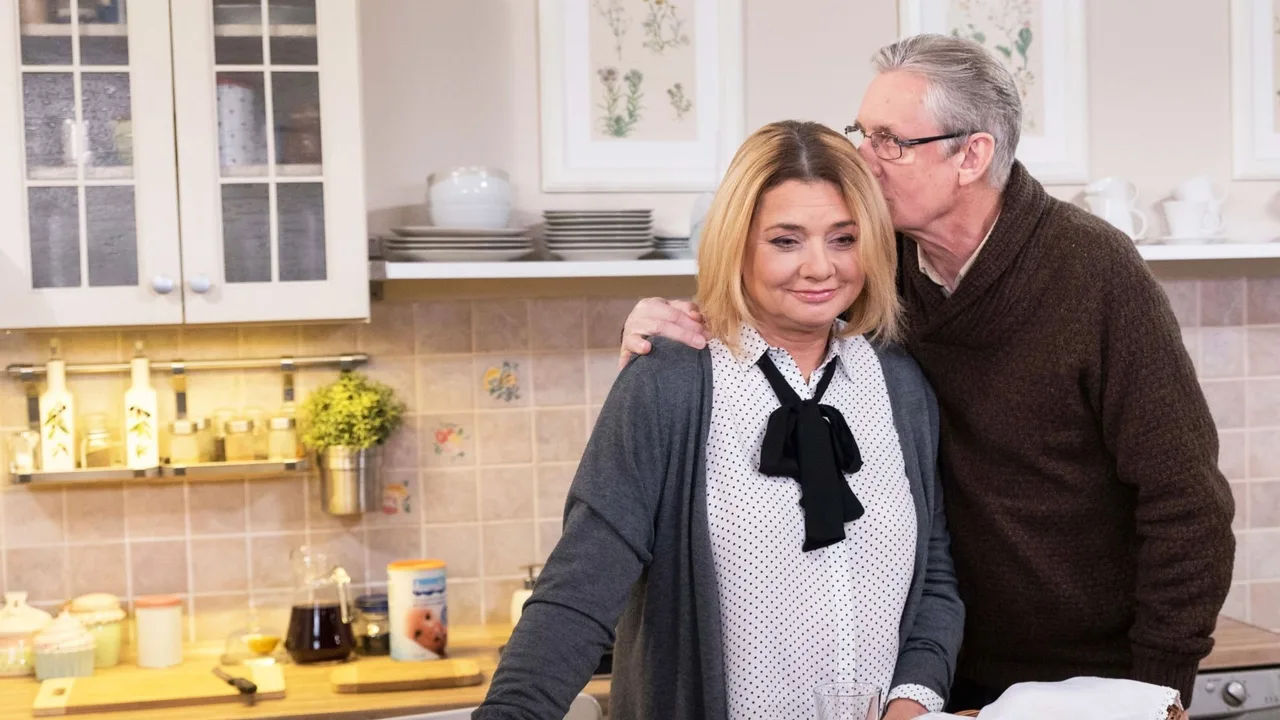
Klan is a 1997 Polish-language soap series created by Paweł Karpiński and Wojciech Niżyński. It stars Kaja Paschalska, Tomasz Bednarek and Barbara Bursztynowicz.
Five evenings a week since September 1997, Polish television has handed the 5.50 slot to one Warsaw family and whatever the day has done to them.
The Lubicz household starts with Władysław and Maria and spreads outward through their children, the in-laws, the grandchildren and the neighbours who marry in. Episodes run on ordinary weather: a job that falls through, an illness nobody planned for, a marriage under strain, a child making a decision the parents would not have made. The drama stays domestic, and the promise the series makes its audience is plain. These people turn up for each other.
Longevity is the story here as much as any storyline. Klan premiered on 22 September 1997 on the public channel TVP1 and has passed 4,600 episodes across 29 seasons, which makes it the longest-running Polish television series. Barbara Bursztynowicz, Piotr Cyrwus, Andrzej Grabarczyk, Kaja Paschalska, Tomasz Bednarek and Artur Dziurman give the family its familiar faces, weekday after weekday at teatime.
Come to it the way its regular audience does. Little depends on catching up, because the show is built for a viewer switching on at 5.50 rather than one working through a season. You drop in, you see where the Lubicz family stands this week, and you come back tomorrow.
Official site
Cast
- Kaja Paschalska as Aleksandra Lubicz
- Tomasz Bednarek as Jacek Borecki
- Barbara Bursztynowicz as Elżbieta Chojnicka
- Andrzej Grabarczyk as Jerzy Chojnicki
- Paulina Holtz as Agnieszka Lubicz
- Małgorzata Ostrowska as Grażyna Lubicz
- Laura Łącz as Gabriela Wilczyńska
- Jacek Borkowski as Piotr Rafalski
- Joanna Żółkowska as Anna Surmacz
- Izabela Trojanowska as Monika Ross-Nawrot
- Tomasz Stockinger as Doktor Paweł Lubicz
- Andrzej Strzelecki as Tadeusz Koziełło
Similar series
Explore Klan guides
A few thoughts on Klan
Long family chronicles work in any medium, and two in the catalogue sit well beside this one. Storia della bambina perduta closes Elena Ferrante's Neapolitan novels, tracking two women and their families across decades in a single city, with the same slow accumulation of weddings, money trouble and old grudges that a daily serial runs on. A novel gives you in depth what Klan gives you in instalments. La Familia Burrón makes the same bargain in comics: a Mexican strip begun in 1948 that followed one working-class household for decades, drawn for readers who met the family in their newspaper every morning. Both reward the habit of returning to the same people instead of hunting for a new story.
Long-running soaps you can start watching tonight
Klan has run five evenings a week since September 1997, and nobody starts at episode one. These serials ask the same of you: turn up on a Tuesday, learn four names, and follow the argument already in progress. The Lubicz kitchen becomes Ramsay Street or a Liverpool cul-de-sac. Small stakes per episode, long memory, a reason to come back tomorrow.
Family sagas where the stakes stay at the kitchen table
The Lubicz household spreads from Władysław and Maria through the children, the in-laws and the grandchildren, and Klan keeps every plot inside that circle: a job that falls through, an illness, a grandchild making a decision the parents would not have made. These series carry the same load. Several generations, one surname, and trouble measured in rent and hospital appointments.
Polish and Czech family stories at ordinary scale
Klan built its audience on Polish weeknights by handing the 5.50 slot to one Warsaw family and whatever the day had done to them. These titles work in the same register. Cesty domů runs as a Czech daily serial about a household of relatives, and the films here stay with a parent, a child, and a decision nobody can put off.
Films that give one family crisis the whole runtime
An episode of Klan runs on a single domestic problem: an illness nobody planned for, a marriage under strain, money that does not arrive. These films take a problem that size and spend two hours inside it, with the same relatives arguing in corridors and kitchens. Pick one when you want the Lubicz register at feature length.