
No monster has been reinvented as often as the vampire. John Polidori made him an aristocrat in 1819, Bram Stoker fixed the rules in 1897, and every generation since has remade the creature in its own image: seducer, predator, tragic immortal, deadpan flatmate.
This is the complete bloodline. Every major Dracula and Nosferatu, the literary founders and the modern wave, the golden ages of vampire cinema, the anime, and the games that finally let you play the monster. It runs from a snowbound Swedish playground to a red-lit Los Angeles nightclub to a Depression-era Delta juke joint.
The essential vampires
If you only ever meet one vampire from each medium, meet these. The bloodline's undisputed peaks.



Dracula on screen: every major Count
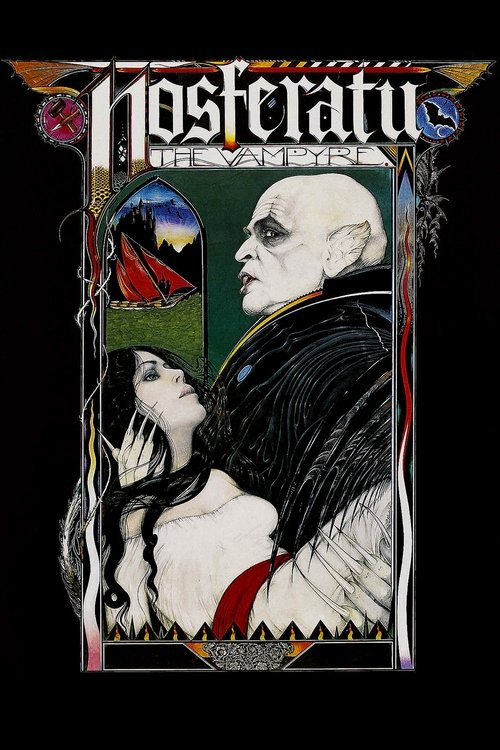
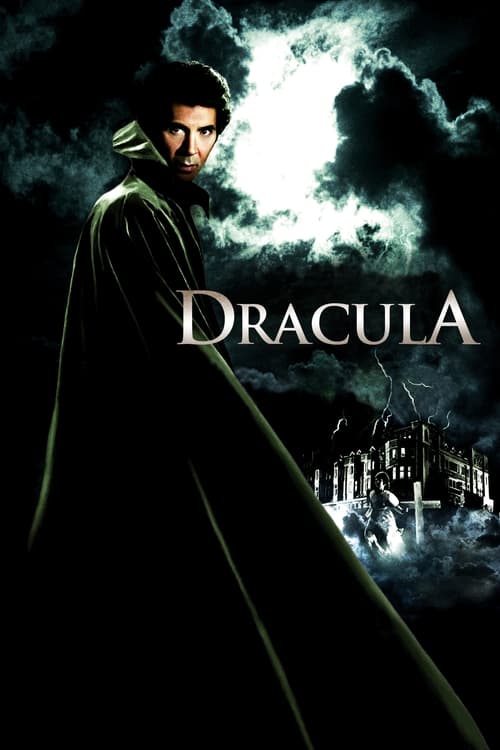
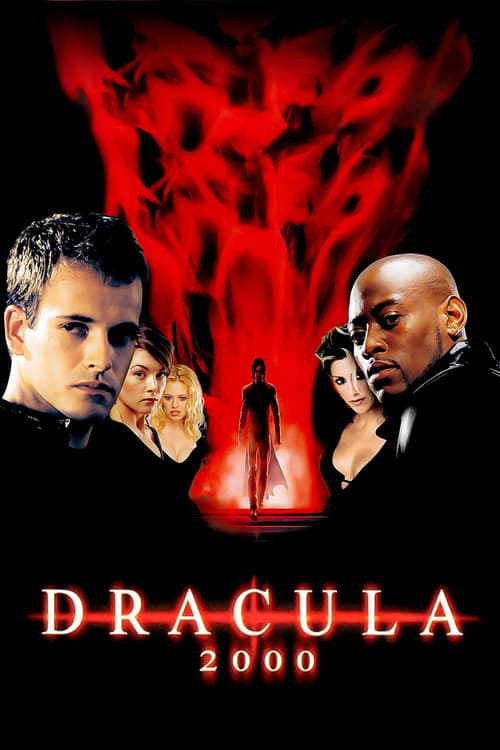
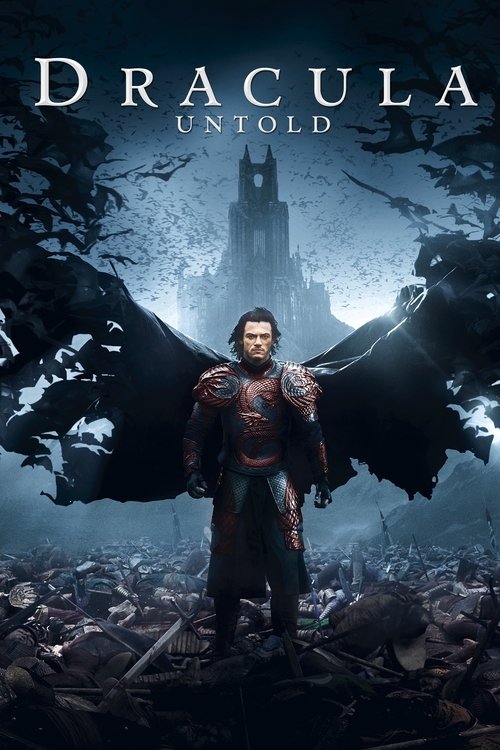
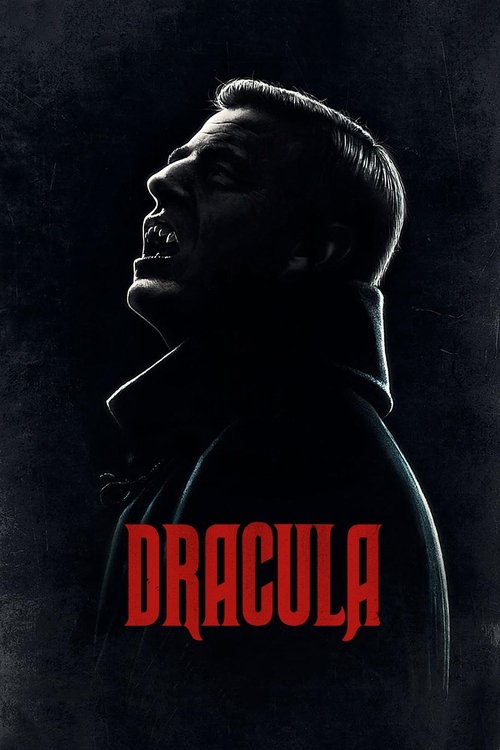
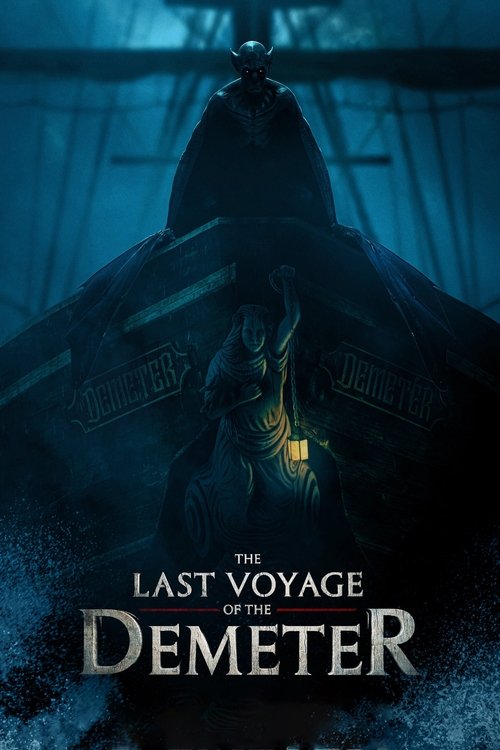
A century of the Count, from Murnau's rat-toothed Orlok to Eggers' 2024 return. Watch the myth mutate.

The literary bloodline
It all started on the page. Polidori invented the aristocratic vampire in 1819; everyone since has been rewriting him.


Vampire cinema's golden ages
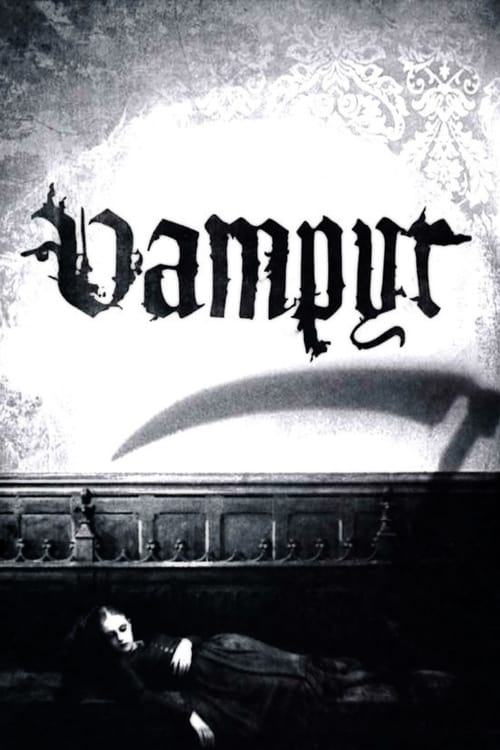
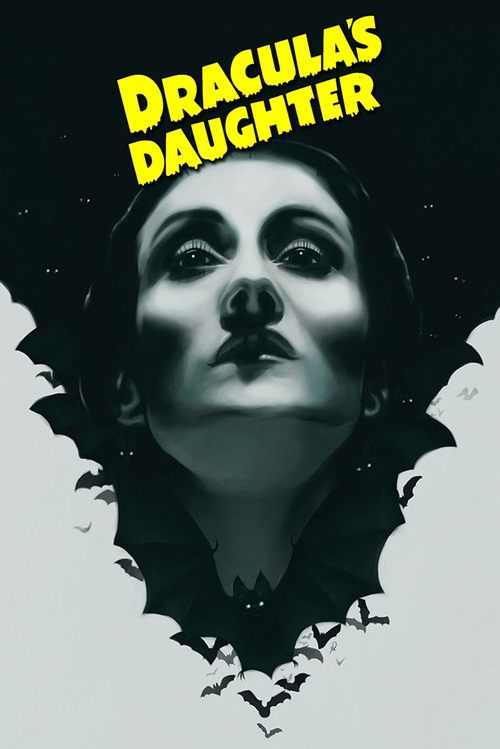
German Expressionism, Universal's monster stable, Hammer's Technicolor blood. The eras that built the visual language.
Vampires on TV
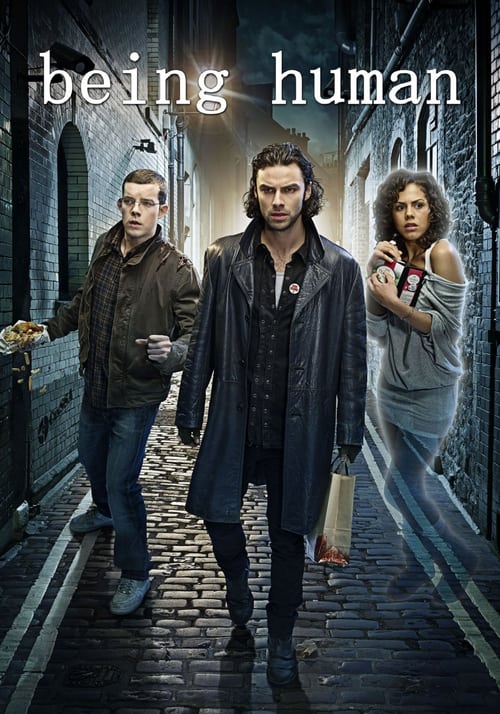
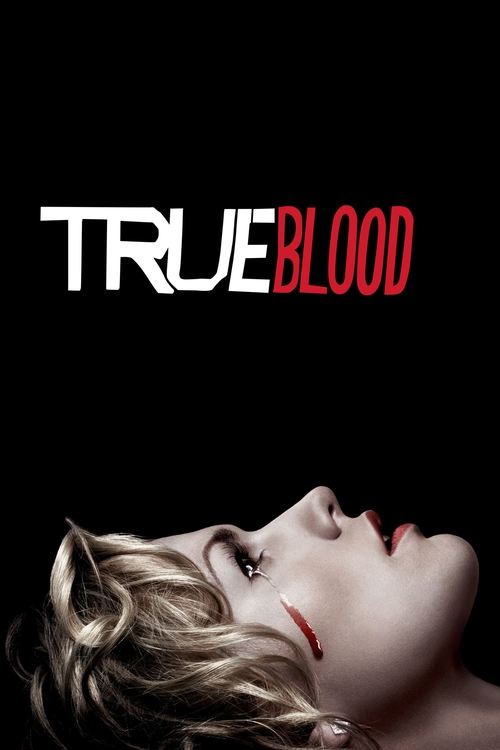
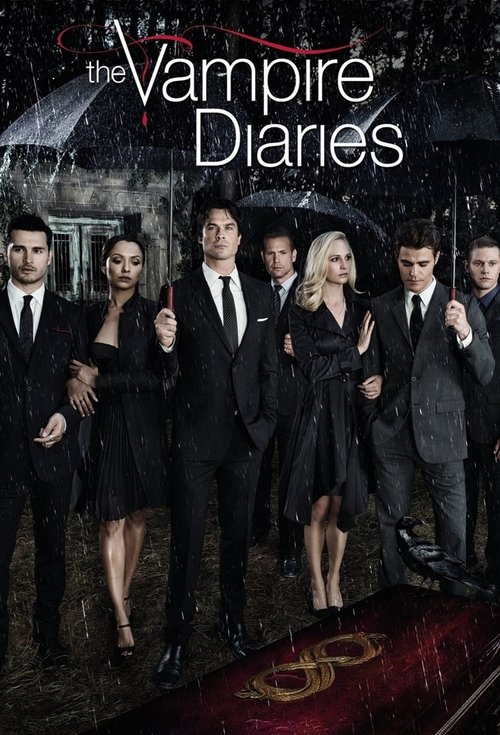
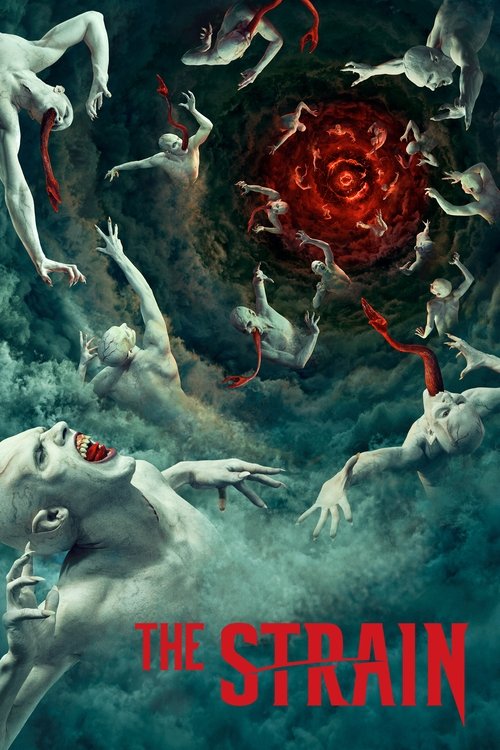
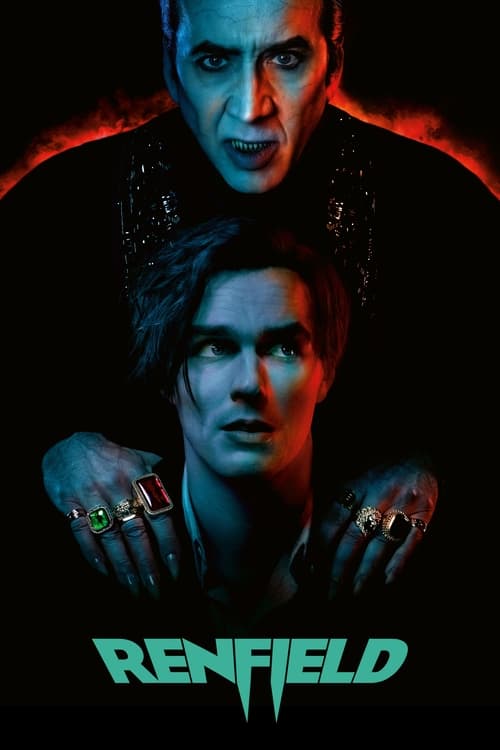
The medium that gave the vampire room to sprawl, from Sunnydale to Bon Temps to the Renfield sharehouse.

Playable vampires
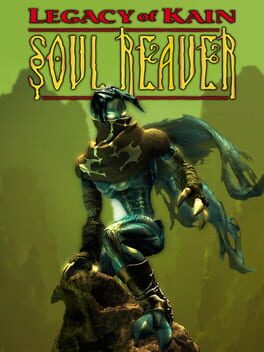
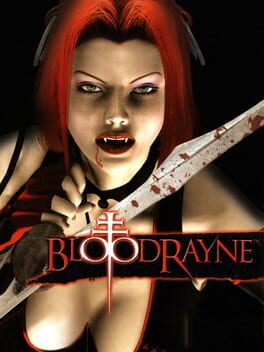
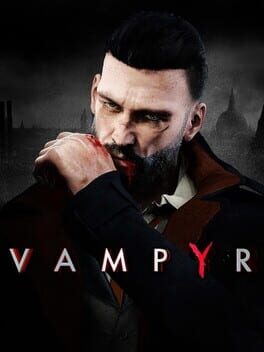
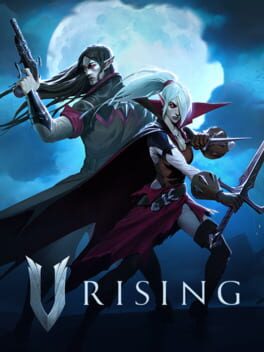
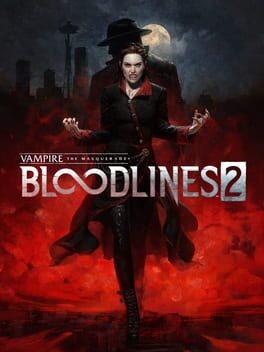
Be the monster. RPGs, action-platformers and survival sims that hand you the fangs.
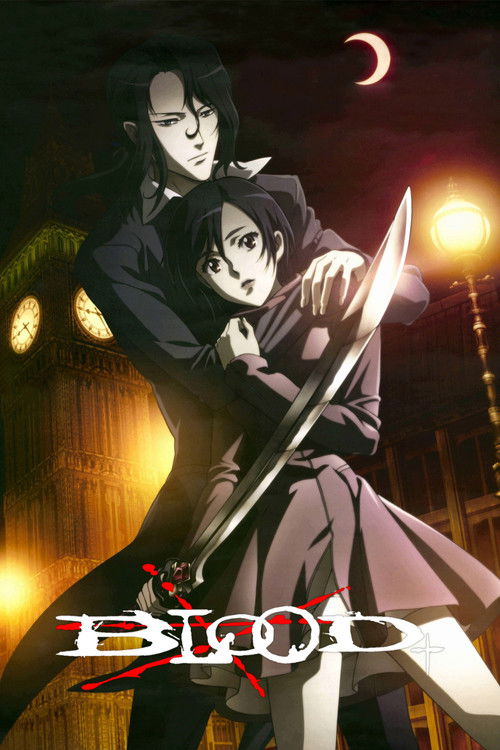
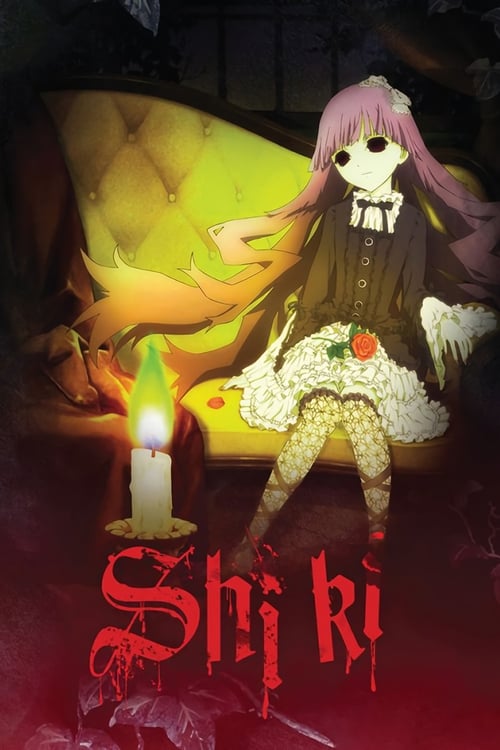
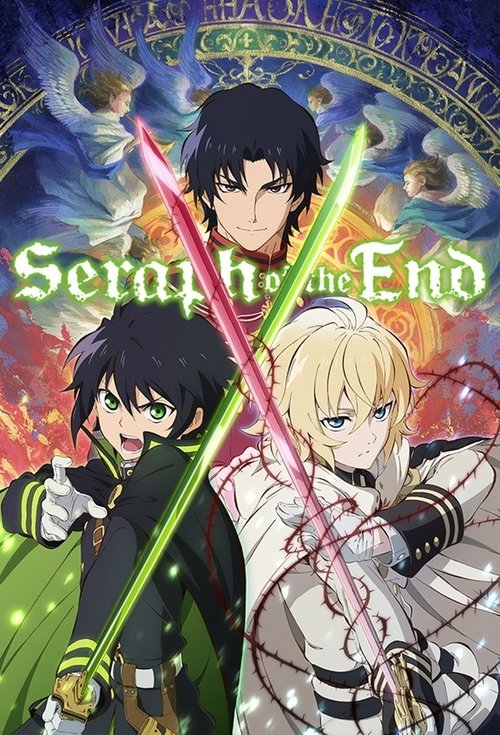
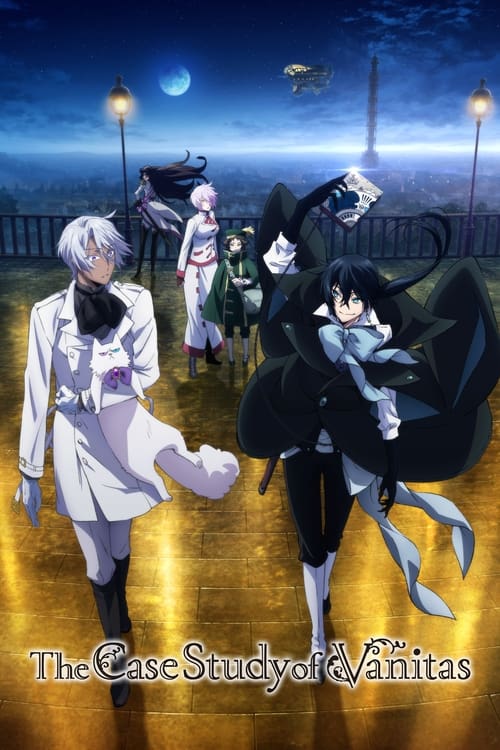
Vampire anime
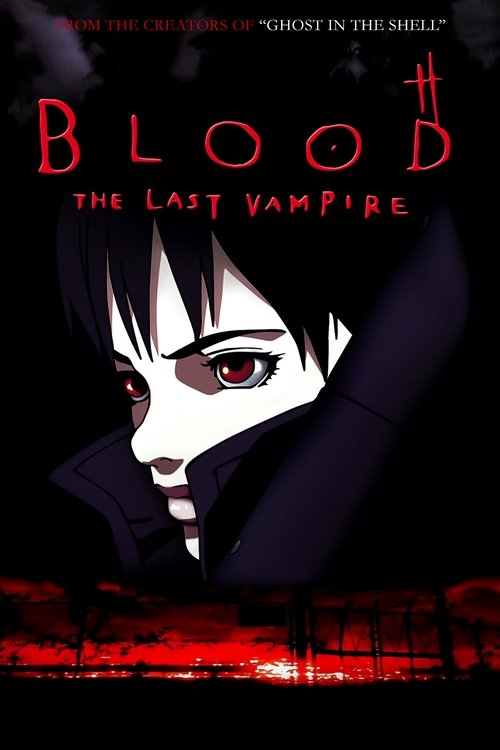
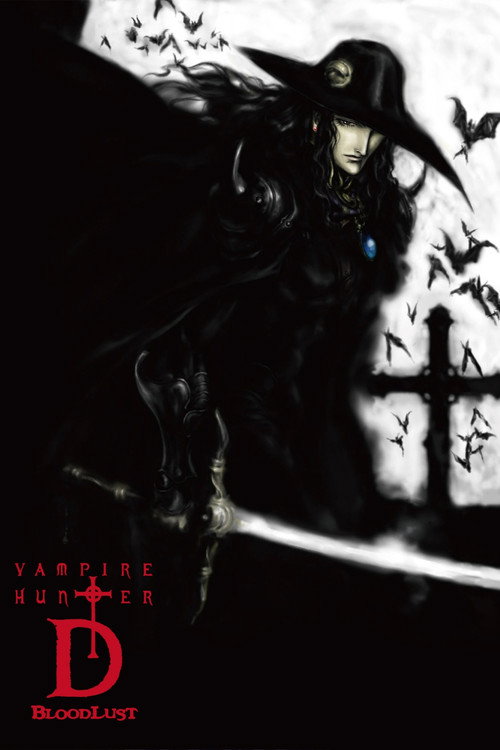
Japan's fangs run from Gothic gunslingers to high-school romance to full-blown apocalyptic horror.



Romantic vampires
Eternal love, eternal ache. The vampire as the ultimate doomed romance, from Rice to Meyer to Jarmusch.



Vampire horror at its nastiest
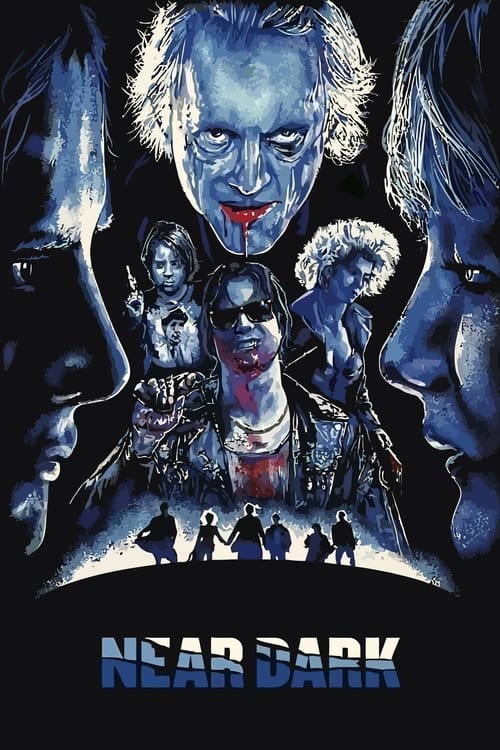
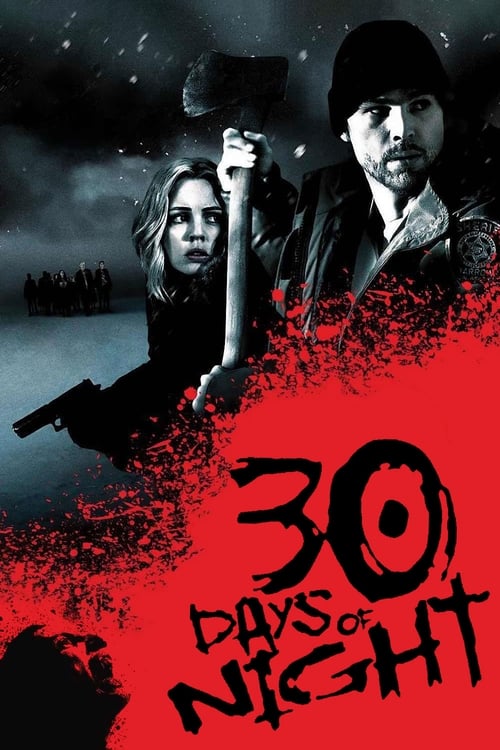
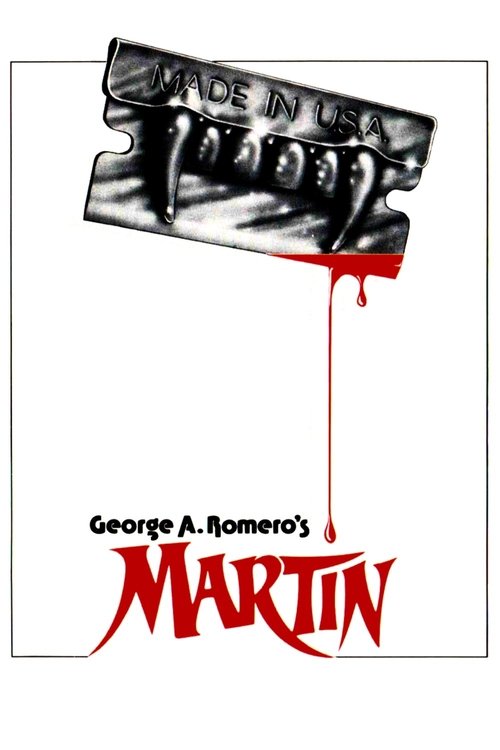
No sparkle, no romance. The films and books that put the predator back in the vampire.
The timeline
- 1819John Polidori publishes The Vampyre, inventing the aristocratic, seductive vampire and severing the myth from folk-peasant ghouls.
- 1872Sheridan Le Fanu's Carmilla arrives, the first great vampire novella and the template for every predatory-female vampire that follows.
- 1897Bram Stoker's Dracula fixes the modern vampire in the popular imagination: the Count, the castle, the hunters, the rules.
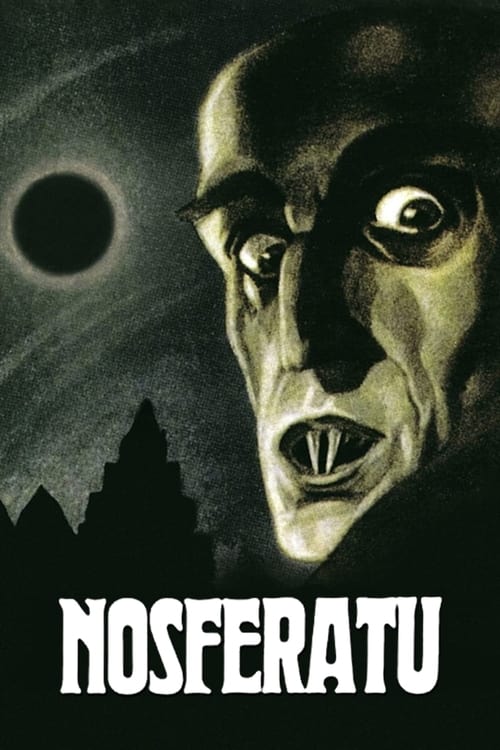
- 1922F. W. Murnau films Nosferatu, an unauthorized Dracula that gives the vampire its first unforgettable screen face in Count Orlok.
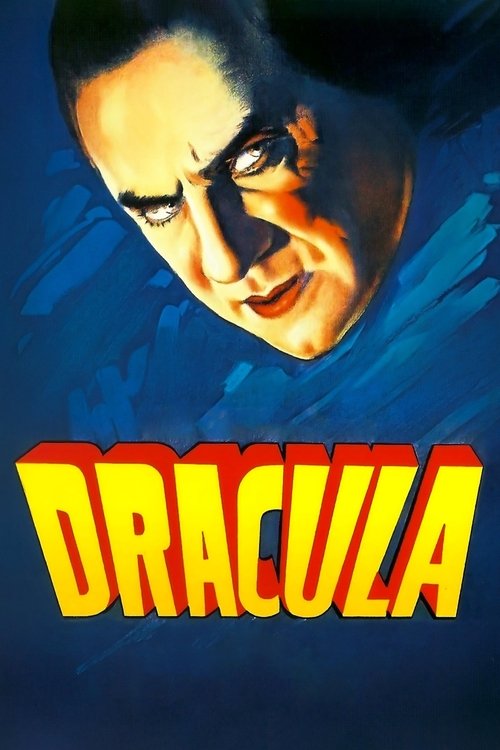
- 1931Bela Lugosi's Dracula for Universal makes the vampire a Hollywood star and locks in the cape, the accent, and the aristocratic menace.
- 1958Hammer's Horror of Dracula unleashes Christopher Lee in color and blood, launching a decade-plus of Gothic vampire cinema.
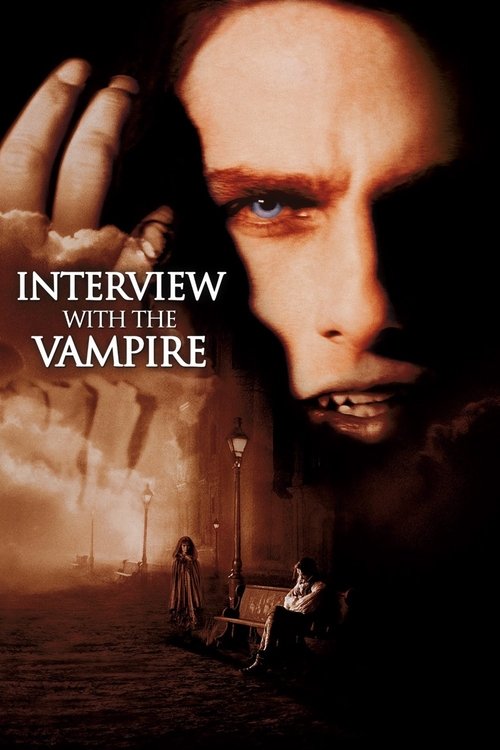
- 1976Anne Rice publishes Interview with the Vampire, reinventing the vampire as an introspective, immortal narrator and founding the modern romantic strain.
- 1992Coppola's Bram Stoker's Dracula reaches screens a year after White Wolf's Vampire: The Masquerade tabletop RPG, and the vampire turns both epic and playable.
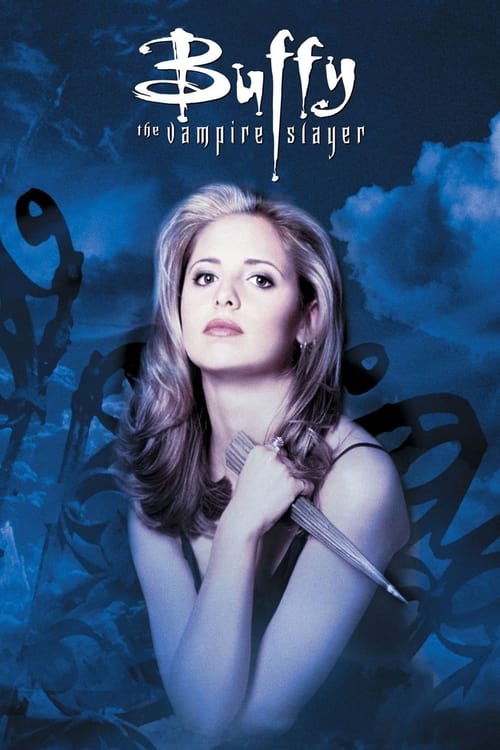
- 1997Buffy the Vampire Slayer debuts on TV, turning vampire lore into serialized, character-driven drama and defining a generation of genre television.
- 2004Vampire: The Masquerade - Bloodlines ships: buggy, unfinished, and the most influential vampire video game ever made.
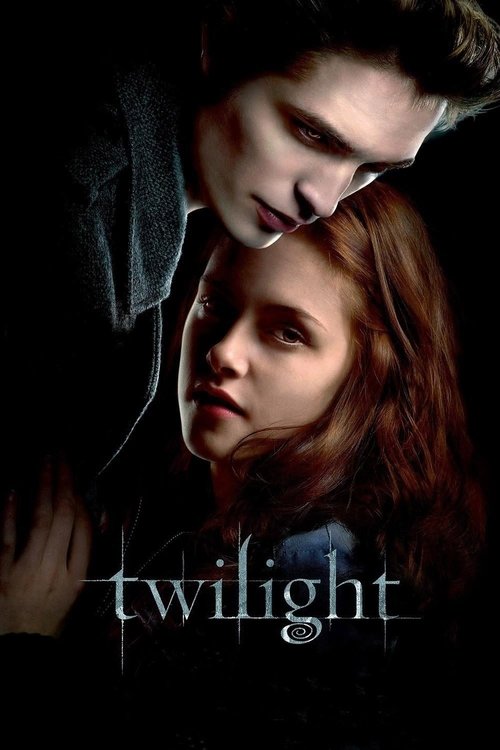
- 2005Stephenie Meyer's Twilight ignites a global YA vampire boom that dominates the box office and bookstores for the next decade.
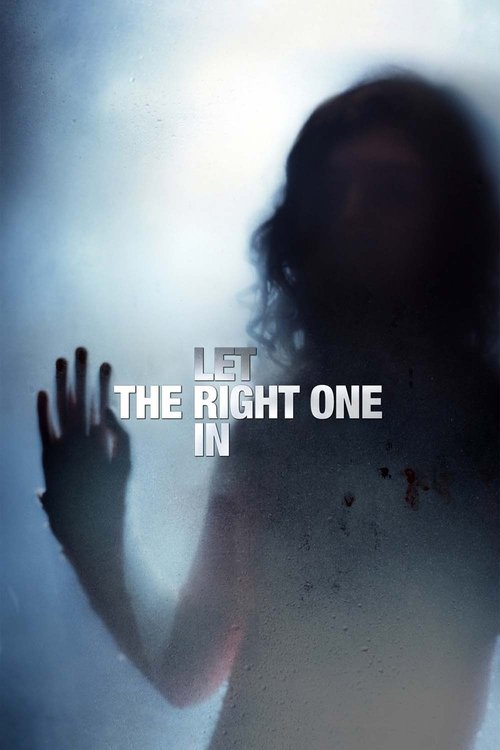
- 2008Let the Right One In premieres, proving the vampire film can be arthouse, intimate, and devastating, and reorienting the genre's serious wing.
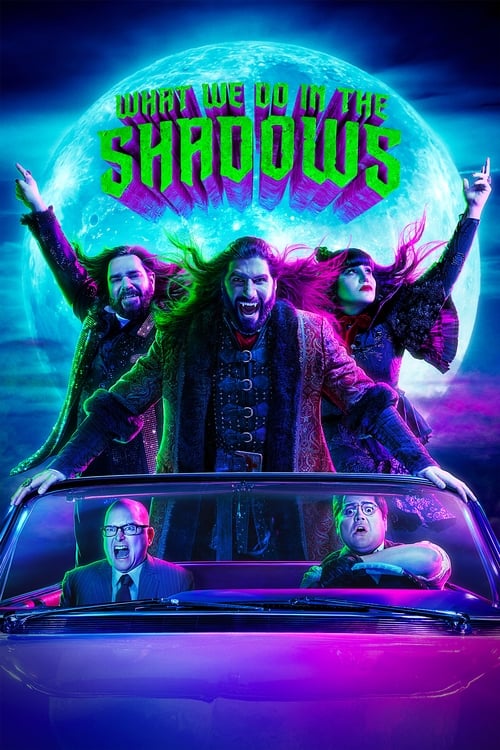
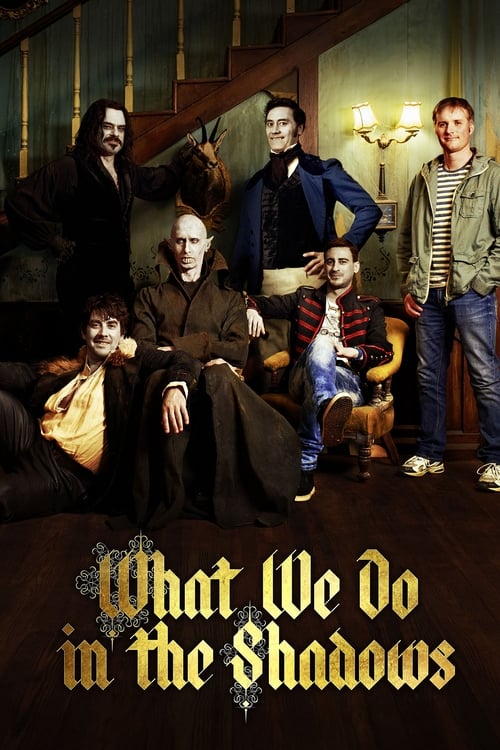
- 2014What We Do in the Shadows lands as a mockumentary and drains the brooding out of the vampire, spawning a hit long-running series.
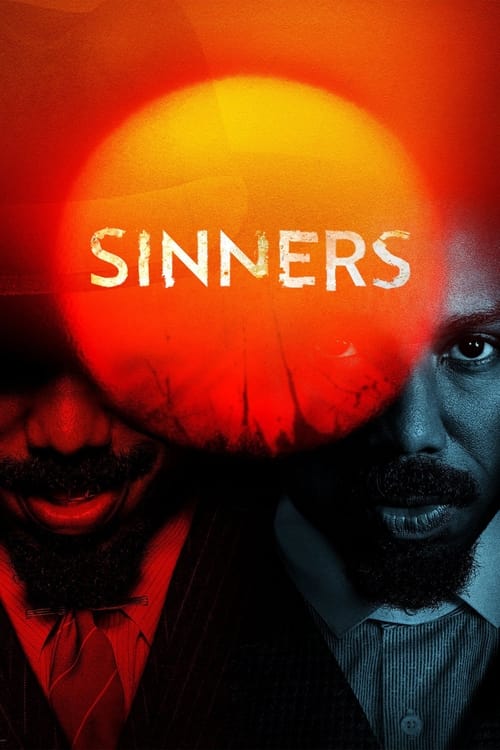
- 2025Ryan Coogler's Sinners makes the vampire a vehicle for Depression-era Delta blues and Black history, and becomes a critical and commercial phenomenon.
Modern vampire fiction
The 21st-century bloodline: cartel vampires, gunslinger empires, Coldtown reality TV, and the last human night.


The teen and YA bloodline
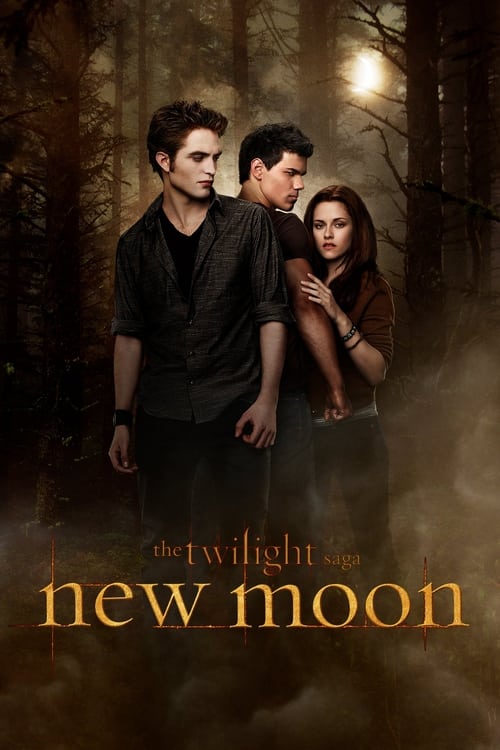
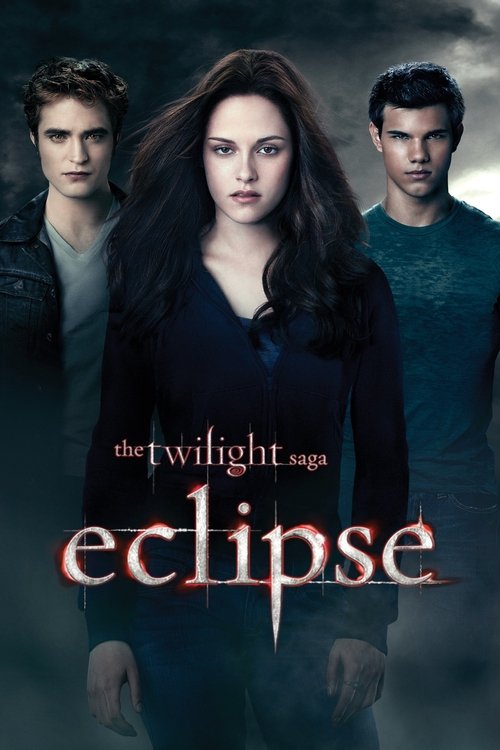
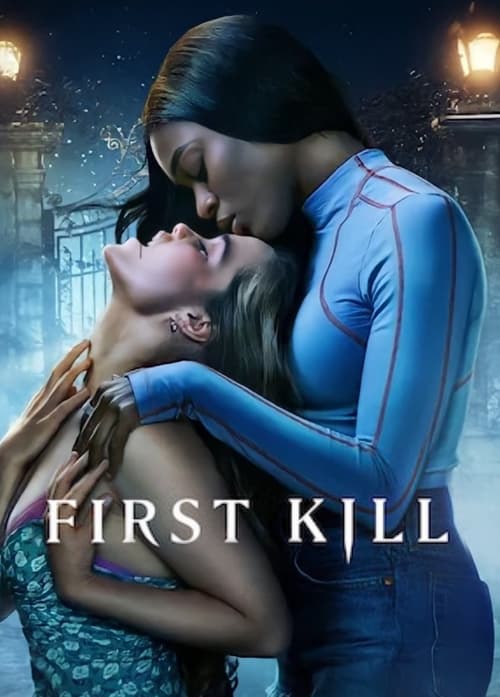
Vampires grew up in the school cafeteria. The saga that ate the 2000s and the sharper YA that answered it.

Vampire hunters and slayers
For every predator there is someone with a stake. The hunters who built the other half of the genre.
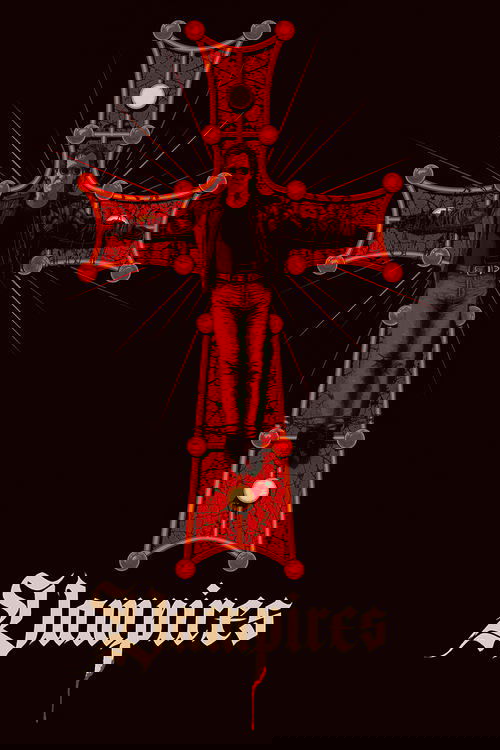
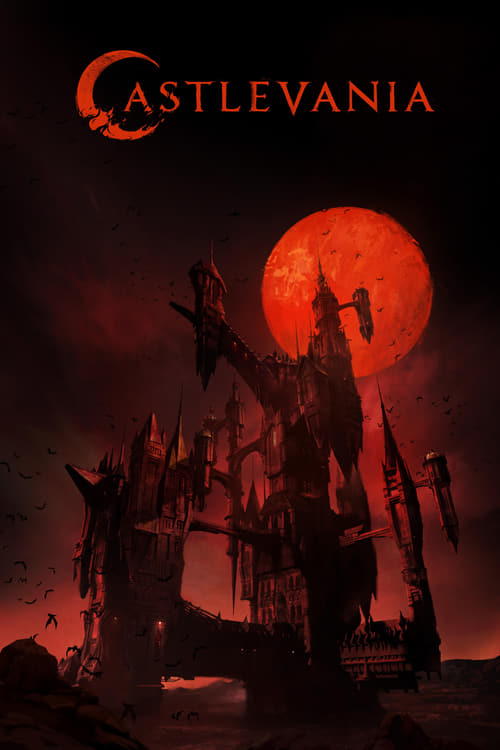

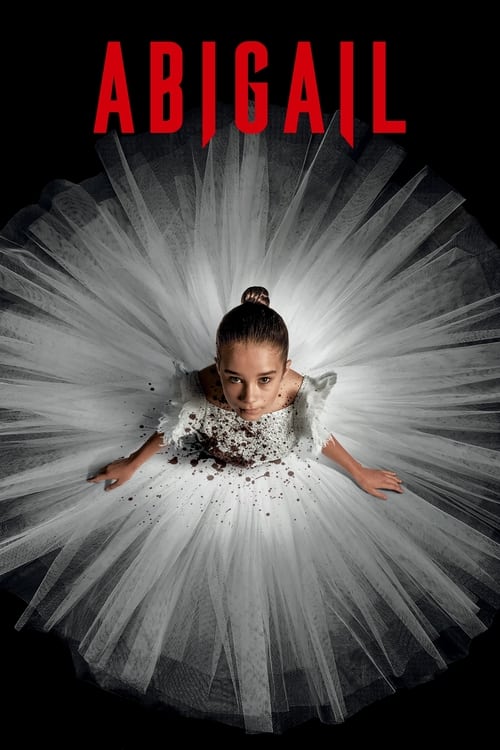
Arthouse and slow-burn vampires
The vampire film as mood piece: long nights, aching loneliness, blood as metaphor.

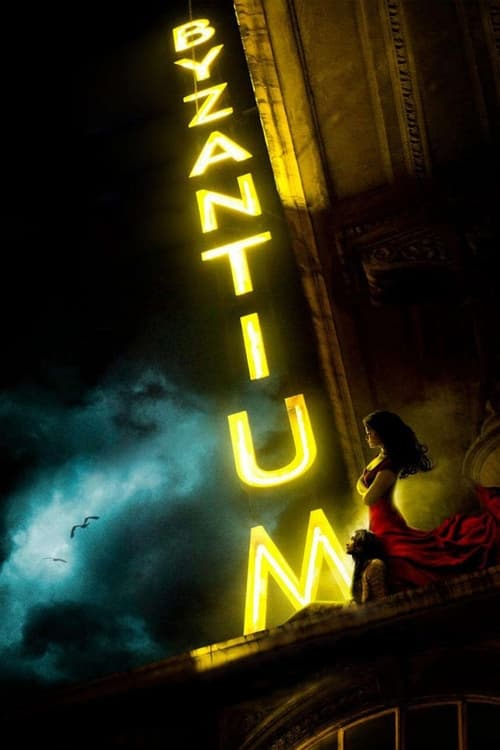


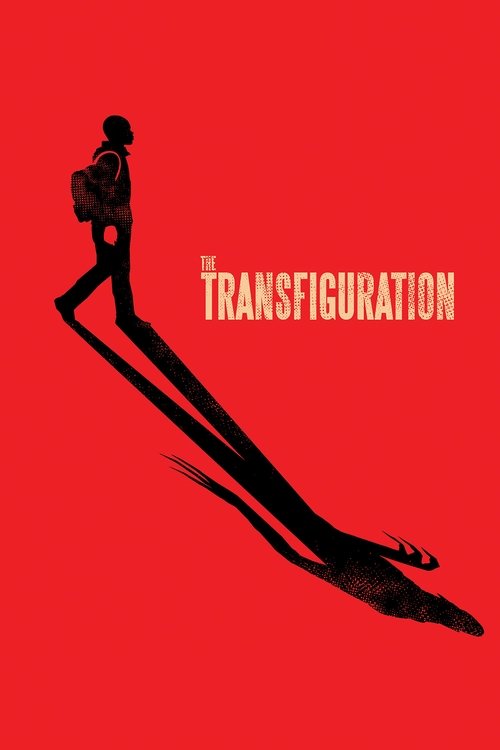
Comedy vampires
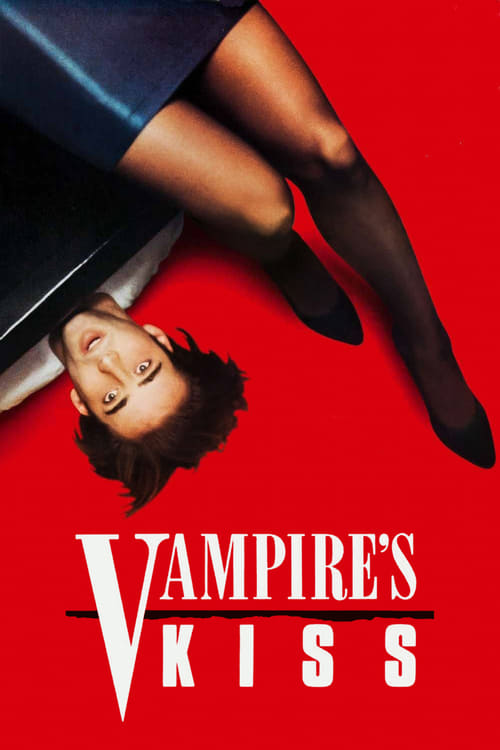
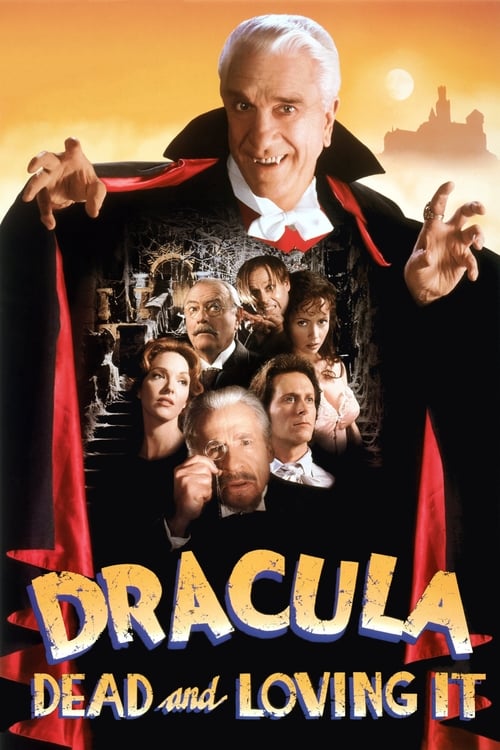
The undead have a great deadpan. Vampires played for laughs, from Polanski to Waititi to Nicolas Cage losing his mind.

The bloodline's authors
Keep exploring
Werewolves & Lycanthropy
Explore the Werewolves & Lycanthropy guide →Frequently asked
Where should I start with vampire fiction if I want the essentials?
Read the two founding books first: Carmilla (1872) and Dracula (1897). Then jump to Anne Rice's Interview with the Vampire (1976) for the modern romantic vampire and Richard Matheson's I Am Legend (1954) for the vampire-as-apocalypse. On screen, pair Nosferatu (1922) with Let the Right One In (2008) to see the full range, and watch Buffy the Vampire Slayer (1997) for how the genre works on TV.
What is the best vampire video game?
Vampire: The Masquerade - Bloodlines (2004) is the connoisseur's pick: a deep, atmospheric RPG whose clan-based choices reshape the whole experience. For action, the Castlevania series (especially Symphony of the Night, 1997) and Legacy of Kain: Soul Reaver (1999) are landmarks. Vampyr (2018) is the strongest modern narrative RPG, and V Rising (2024) is the standout survival game.
Is Twilight really a vampire story worth taking seriously?
Whatever you think of it, Twilight (novel 2005, film 2008) is one of the most culturally important vampire works ever made. It defined the 2000s YA boom, put vampires back on the box-office A-list, and provoked a wave of sharper responses, from The Coldest Girl in Coldtown to The Vampire Diaries. Its ideas about vampires as safe romantic partners are still argued over across the genre.
Which Dracula adaptation is the best?
For faithfulness and scale, Bram Stoker's Dracula (1992) is the standard-bearer. For pure horror craft, Nosferatu exists in three great versions (1922, 1979, and Robert Eggers' 2024 remake). Christopher Lee's Horror of Dracula (1958) is the definitive Hammer take, and the BBC/Netflix Dracula (2020) is the boldest modern reinvention.
What are the best vampire anime?
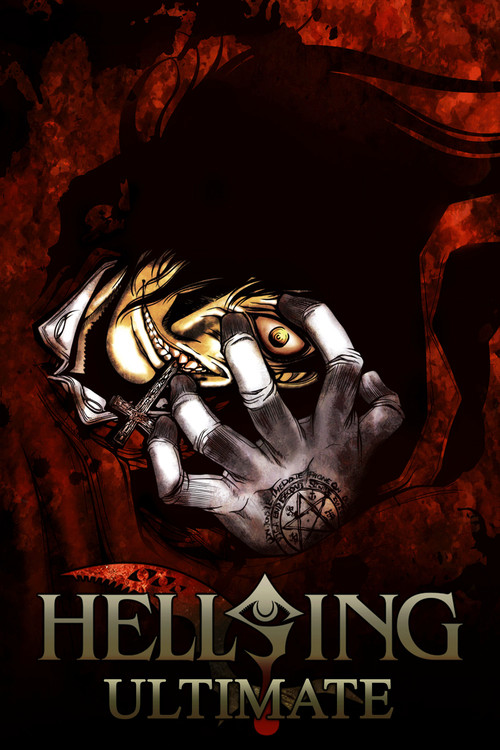
Start with Hellsing Ultimate (2006) for gothic action, Vampire Hunter D: Bloodlust (2000) for a standalone film, and Shiki (2010) for slow-burn horror. Seraph of the End (2015) is the big modern shonen entry, JoJo's Bizarre Adventure (2012) features one of anime's iconic vampires in Dio, and The Case Study of Vanitas (2021) is the stylish recent pick.
Are there good vampire stories that are actually funny?
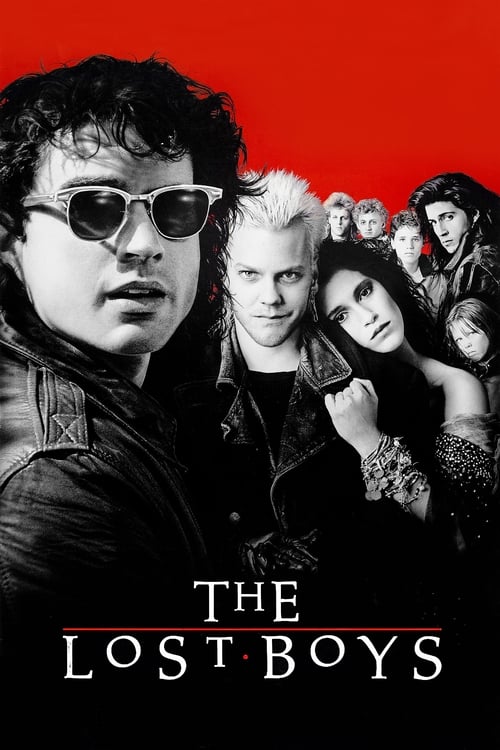
Yes. What We Do in the Shadows exists as both a 2014 film and a beloved 2019 series, and both are among the funniest things the genre has produced. The Fearless Vampire Killers (1967), The Lost Boys (1987), Vampire's Kiss (1988) with an unhinged Nicolas Cage, and Renfield (2023) all play the undead for comedy without losing the bite.