

Every time-travel story is, underneath the wormholes and the flux capacitors, a story about regret. We don't really want to visit the past. We want to fix it: to say the thing we didn't say, to be in the room before the accident, to undo the one choice that split a life into before and after.
That is the genre's quiet secret and its lasting power. It hands a character the one thing the rest of us will never get, a second draft, then watches what it costs them. Here's the map, across every screen and page.
Essential time travel
Start here


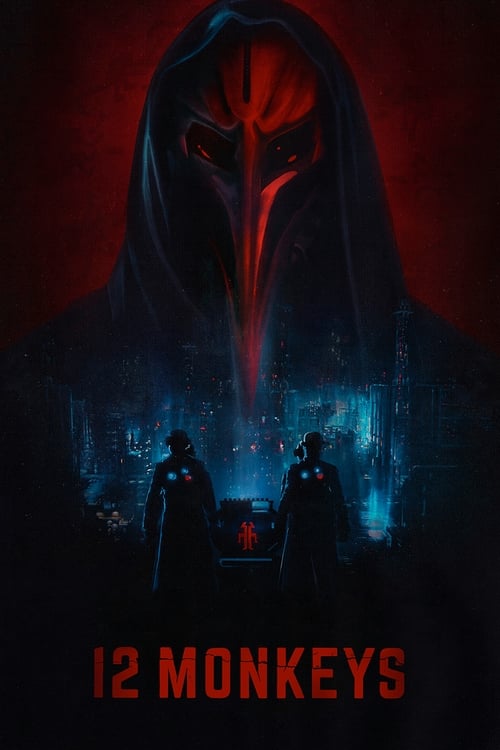

The one everyone calls the best
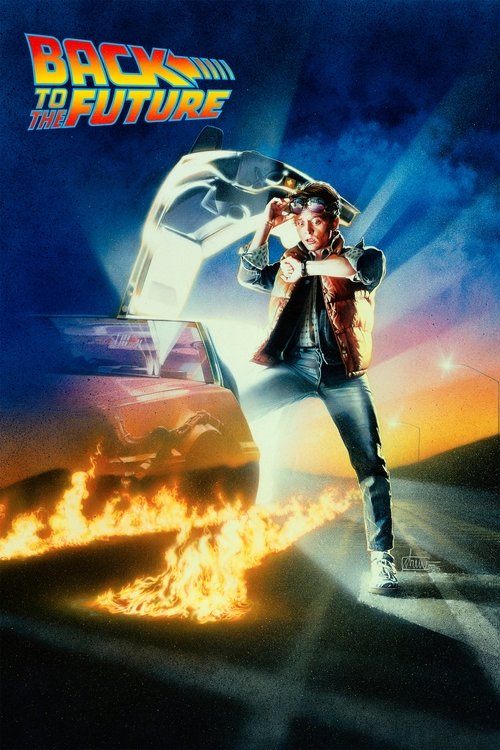
Ask a crowd for the greatest time-travel movie and the same answer keeps coming back: Back to the Future. It isn't the most scientifically rigorous (it is not rigorous at all), but it understood the genre's real engine before almost anyone: the terror and comedy of watching your own existence flicker because you nudged the past. Two near-perfect sequels later, it is still the on-ramp everyone should take first. The purists will counter with Primer and the obsessives with Dark, and they are not wrong either.
Three ways to break a clock
Almost every time-travel story runs on one of three engines, and knowing which one you're watching tells you how it will hurt.
The fixed timeline is cruelest. The past cannot change because it already happened, so the harder a character fights fate, the more precisely they cause it. The branching timeline is the hopeful one: change something and reality forks, a photograph fading as a family un-meets. The loop is not about history at all. It is a person sanded down by repetition until only the truth is left.
Caught in a loop
The same day, again








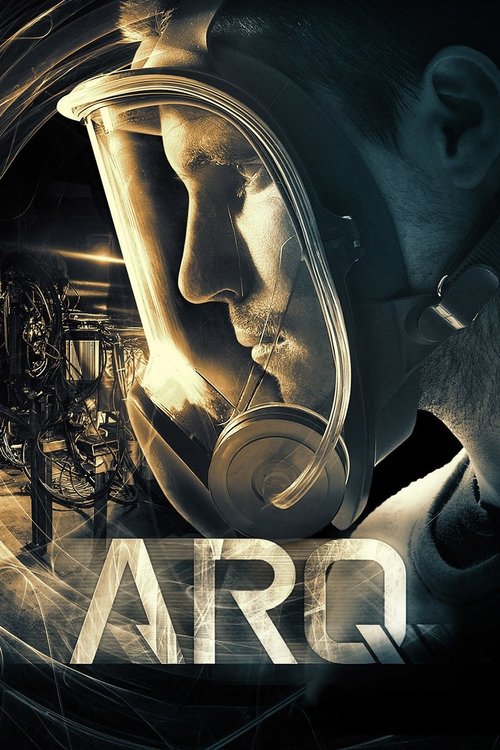



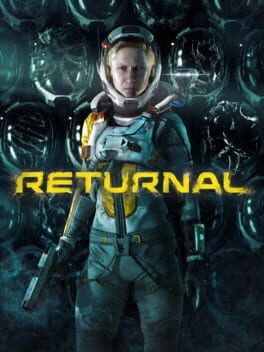
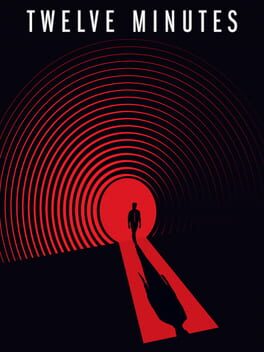
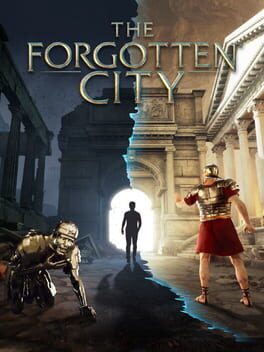
Where it all began
Time travel feels modern, but it is older than cinema. Mark Twain sent a Yankee engineer back to King Arthur's Court in 1889, six years before H.G. Wells built the first proper machine in The Time Machine, and the template was set: a person out of their time, using tomorrow's knowledge to survive yesterday. Everything since is a variation on that first audacious idea.

A short history of the time machine
- 1889Mark Twain strands a modern engineer in the Middle Ages. A Connecticut Yankee in King Arthur's Court
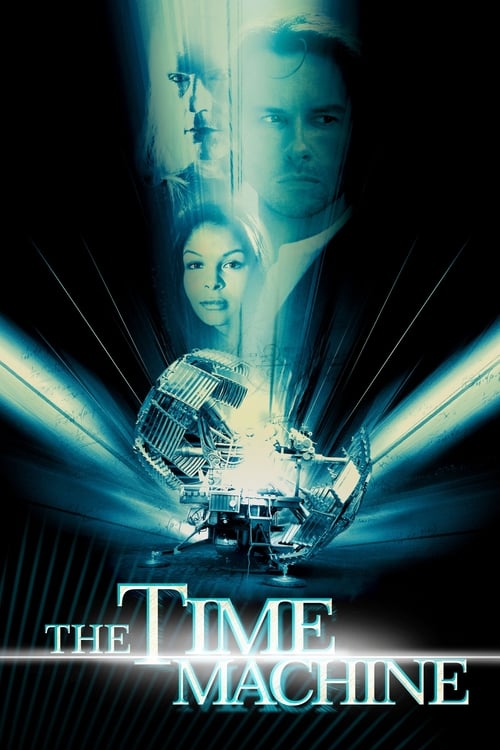
- 1895H.G. Wells imagines the first true time machine; the story is still being adapted. The Time Machine
- 1985A DeLorean turns the paradox into blockbuster comedy. Back to the Future
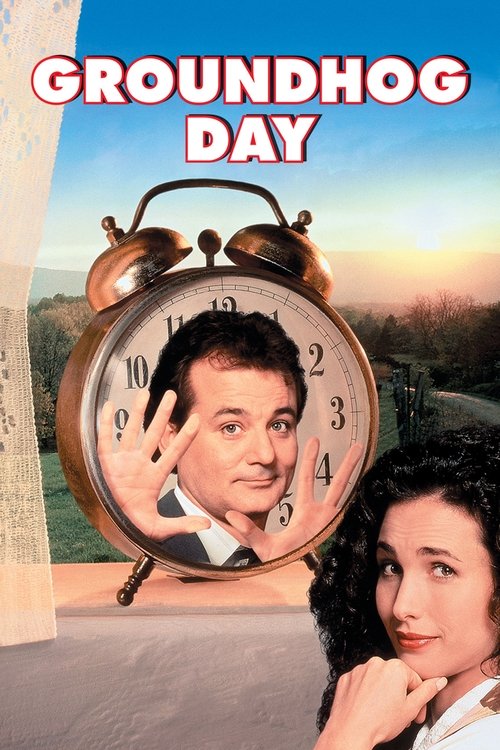
- 1993The loop becomes a fable about how to live. Groundhog Day
- 2004A garage-built indie makes it maddeningly, gloriously precise. Primer
- 2017German TV folds four families into one devastating knot. Dark
- 2020Inversion: time becomes a direction you move against. Tenet
Rewriting the past
Change one thing





The one that proves the genre is still evolving
Just when it seemed the genre had run out of mechanics, Tenet found a new one. Not travelling through time but moving against it, two streams running in opposite directions inside the same scene. It is divisive, dense, and occasionally impossible to follow on a first watch. That is the point: decades in, time travel can still hand you something you have genuinely never seen.
Tourists in history
Going back to live, not to fix




The one that will melt your brain
Some films you watch; Primer you study. Shot for pocket change by an engineer who refused to dumb anything down, it treats its paradoxes with such ruthless precision that fans diagram it on whiteboards. If you want the next rung up, Tenet is waiting (bring a notebook). Both reward the second viewing far more than the first.
Beyond the screen: games & books
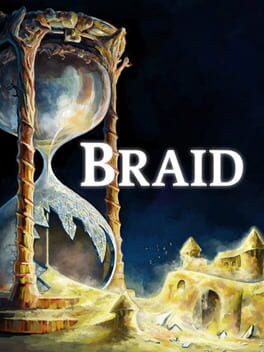
Rewind as a verb




If you only read one
Octavia Butler's Kindred is the most humane time-travel story ever told. A Black woman in 1976 is pulled, without warning or machine, back to a pre-Civil-War plantation, again and again, and forced to survive the past her present was built on. No genre trick has ever made the stakes of going back feel so real. Proof that time travel was always, secretly, about the present.
On the page
Four novels that bend the clock


More bent timelines and roads not taken
Multiverse & Parallel Worlds
Explore the Multiverse & Parallel Worlds guide →The past is a country we can finally afford to visit, and the one place a story can promise you'll never quite be allowed to stay.