The Oscar Isn't Her Best Work
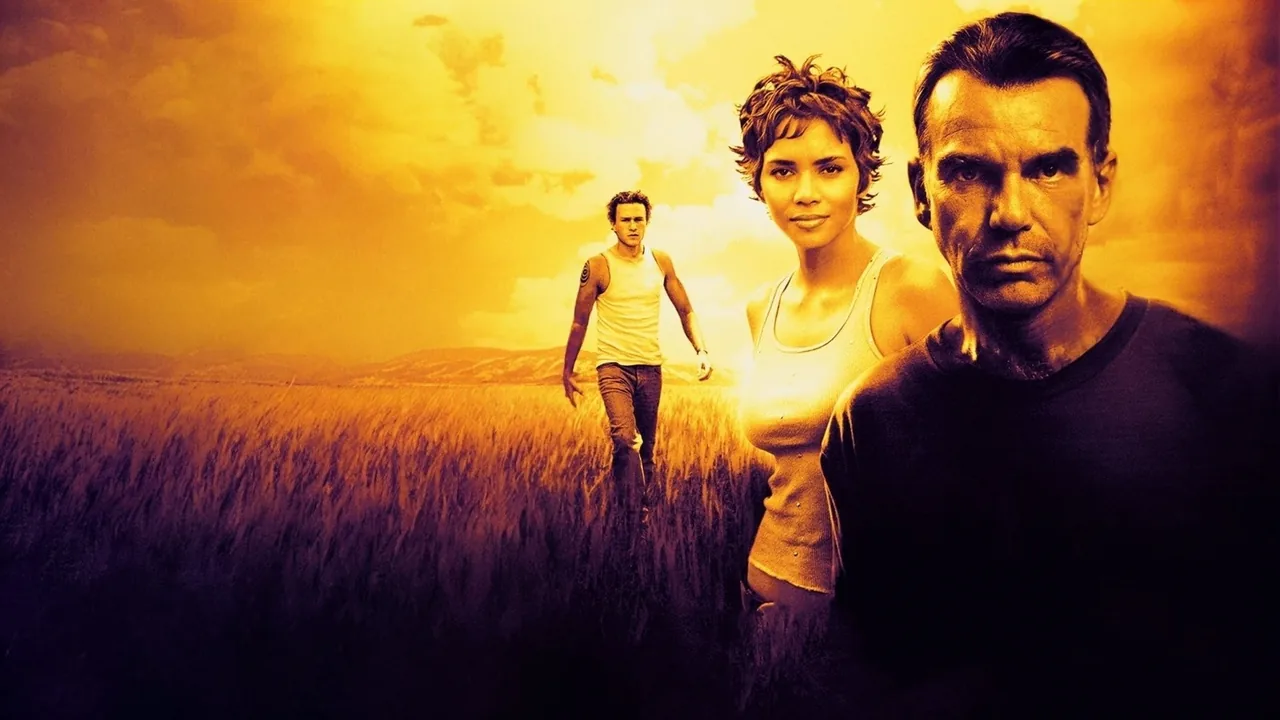
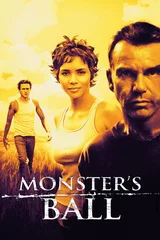
Twenty-four years on, the sentence has not changed. Halle Berry is still the only Black woman to have won the Academy Award for Best Actress, and she won it for Monster's Ball. Both halves of that fact have been quietly bad for her. The first turned an actor into a statistic, something the industry could point at instead of fix. The second welded her legacy to a performance that is very good and is not the best thing she has done. She turns 60 on Friday, August 14, which is a fine moment to stop reciting the statistic and look at the filmography instead, because the filmography is stranger, braver and more uneven than the trophy lets on.
The performance the trophy buried
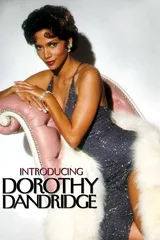
Her finest work arrived before the Oscar, on television, in a film she had to produce herself to get made. Introducing Dorothy Dandridge (1999) won her a Primetime Emmy, a Golden Globe and a Screen Actors Guild award, and almost nobody puts it first when they list her.
They should. Dandridge was the first Black woman nominated for Best Actress, in the mid-fifties, and Hollywood then let her career starve in front of her. Berry plays her without the biopic reflex toward nobility. You get the vanity, the bad judgment about men, the specific desperation of a woman being told she is a breakthrough while the phone goes quiet. It is a performance about what happens to a symbol, made by an actor who was two years away from becoming one.
Leticia in Monster's Ball is rawer and more exposed, and it is the sort of grief-stricken unravelling awards bodies recognize on sight. Dandridge is the harder assignment. Berry has to play charm as labour, hold a smile as a survival tactic, and sustain it for two hours.
What everyone else did with it
The win should have been a beginning. It got treated as a conclusion, a box ticked, and Berry has been blunt for years about what actually followed: parts that got bigger and thinner at the same time. She took them, because that is what you do at 35 with that much heat. By 2004 she was starring in Catwoman, a film bad enough to become shorthand for everything after the Oscar.
The part people skip is what she did next. At the Razzies in February 2005 she turned up in person to collect Worst Actress, her Academy Award in one hand and the raspberry in the other, and opened by thanking Warner Bros. for putting her in a God-awful movie. She held the Oscar up and pointed out that nobody could take that one away, her name was on it. She was funnier about Catwoman than any of its critics managed to be, and then she said the part that has aged best.
The unembarrassed genre actor
The Oscar framing also assumes the popcorn work was beneath her. Berry has never played it that way. She was Storm across four X-Men films between 2000 and 2014, finishing in X-Men: Days of Future Past, and she took the character seriously enough that a generation of viewers met a Black woman as a weather god before they met one as an Oscar winner. She was Jinx in Die Another Day, in a franchise that had spent forty years using women as scenery, and played her as a peer rather than a prize.
And then there is John Wick: Chapter 3, where, in her early fifties, she does genuinely punishing stunt and firearms work in a series that does not fake it. Actors of her standing usually stop doing that. She sped up.
The second act she had to build herself
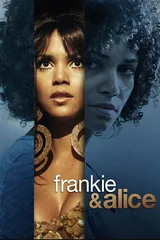
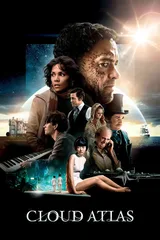
The pattern of her best decisions is that she made them happen rather than waiting to be offered them. Frankie & Alice (2010), in which she plays a woman with dissociative identity disorder, earned her a Golden Globe nomination and then sat almost unreleased, which tells you more about distribution than about the performance. Cloud Atlas (2012) asked her to play six people across five centuries, a swing very few actors at her level would risk in public.
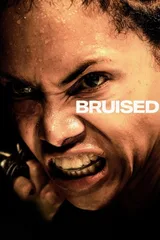
Then Bruised. She had never directed anything, and the film was not hers to begin with: Blake Lively was cast in the lead, with Nick Cassavetes directing. In 2018 Berry took both jobs, learned to fight for it, premiered it at Toronto in September 2020 and put it on Netflix in November 2021. Reviews landed almost exactly on the fence, 51 percent on Rotten Tomatoes, and the note critics kept returning to was that she was good on both sides of the camera. That is not the arc of someone coasting on a statue.
What she is owed at 60 is not another round of the statistic. It is a director with real money who wants what she can actually do, which is play women performing composure while something underneath them gives way. She has been chasing parts like that since Jungle Fever, which is thirty-five years of asking. The industry mostly wanted her to be a landmark instead.
So mark Friday properly. Skip the Oscar clip, which everyone has seen and nobody has watched, and put on Introducing Dorothy Dandridge. It is a hard, unsentimental film about a Black actress being told she has broken through, and it was made by a woman who was about to find out what that is worth. Follow it with Frankie & Alice if you want the range, or Bruised if you want to see what she does when she is finally the one deciding.