Harrison Ford Never Wanted Any of This. That Was Always the Trick.
Harrison Ford turned 84 on July 13, and for once the timing of a Hollywood birthday feels like an argument. In March, SAG-AFTRA gave him its Life Achievement Award. He holds a Primetime Emmy nomination for Outstanding Supporting Actor in a Comedy Series for Shrinking, the first of his career. He just closed out two seasons opposite Helen Mirren in the western drama 1923. Most screen legends spend their eighties collecting tributes for who they were. Ford is collecting nominations for who he is right now.
The famous origin story matters here, because it set the tone for the next fifty years. Ford was a self-taught carpenter in the early seventies, building for clients like Joan Didion to support a wife and two young sons while acting paid almost nothing. George Lucas, who had used him in American Graffiti, brought him in to read lines opposite the actors auditioning for Star Wars (1977). He wasn't up for the part. He was the furniture. Then Lucas kept listening to the guy feeding the cues, and the guy feeding the cues became Han Solo. Ford didn't chase the role that made him. It walked over and caught him being himself.
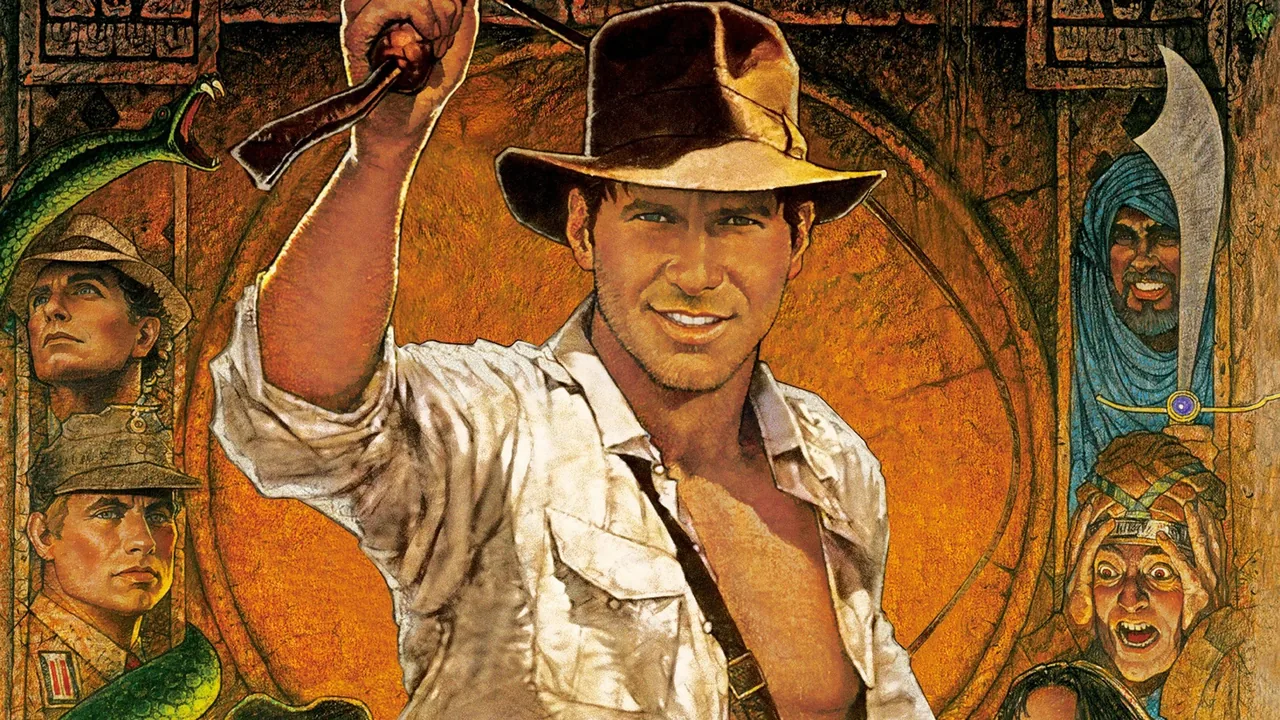
And reluctance became the whole act. Look at the run. Han Solo doesn't believe in the cause; he's in it for the money, right up until the last second of Star Wars, and his cynicism is what makes the heroism land when it finally shows up in The Empire Strikes Back. Indiana Jones spends Raiders of the Lost Ark (1981) exhausted, punched, dragged behind a truck, and openly disgusted by snakes. Deckard in Blade Runner (1982) gets pulled back into a job he clearly wants no part of. Dr. Richard Kimble in The Fugitive (1993) isn't on a mission; he just wants his life back. Even the president in Air Force One (1997) reads mostly as a husband and father who would very much like everyone to get off his plane. Other stars of his era played men who wanted to be there. Ford built a career out of men who didn't, and audiences believed him because, by every account, he meant it. He remains one of Hollywood's most private actors, a man who, when fans speculated he had social anxiety, replied that what he actually has is "an abhorrence of boring situations."
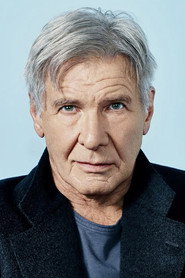
The industry noticed exactly once. Witness (1985), where he plays a Philadelphia cop hiding in Amish country, earned him his only Oscar nomination, for Best Actor. It's the quietest performance of his prime, all watchfulness and restraint, which tells you what the reluctance was hiding all along: a character actor's instincts inside a leading man's face.
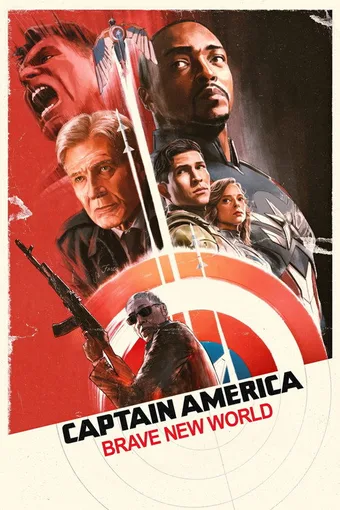
The late chapter reads like a long goodbye handled with unusual grace. He returned as Deckard in Blade Runner 2049 (2017) and gave the film its bruised heart. He hung up the fedora in Indiana Jones and the Dial of Destiny (2023), which he has said is his last outing as the character. He even joined the Marvel machine as Thaddeus Ross in Captain America: Brave New World (2025), because apparently there was one franchise left to grumble through. But the real story of his ninth decade is television. 1923 put him at the center of a sprawling western opposite Helen Mirren, and Shrinking handed him the best comic material of his career. Streaming series need faces that carry history into every frame, and no working actor carries more history than Ford.
There's a consistency to the offscreen life too. He has been vice-chair of Conservation International since 1991, thirty-five years of unglamorous board work. Of course. The man does the job and skips the ceremony. So here is the birthday claim, stated plainly: the eighties, his eighties, may be the most likable act of Harrison Ford's career. The reluctant star finally landed in the medium that wanted exactly what he always was. He'd probably shrug at that. He'd probably rather be flying his plane. That, as ever, is why we believe him.