No one's fifties beat Morgan Freeman's
Morgan Freeman turned 89 on June 1, and the most interesting number in his story is not 89. It is 50. That is how old he was in 1987 when Street Smart cast him as the hustler Fast Black and the Academy handed him his first Oscar nomination, for Supporting Actor. Most screen careers are winding down at 50. Freeman's was just switching on. He is the greatest late bloomer in movie history, and this piece is the argument.
The years before explain why the bloom arrived so fully formed. Born in Memphis on June 1, 1937, he spent decades as a working stage actor, earned a Tony nomination for The Mighty Gents in 1978 and an Obie for Coriolanus in 1980, and taught a generation of kids to read on PBS's The Electric Company from 1971 to 1975. Two decades of craft with no film career attached. When the movies finally called, there was nothing left for him to learn.
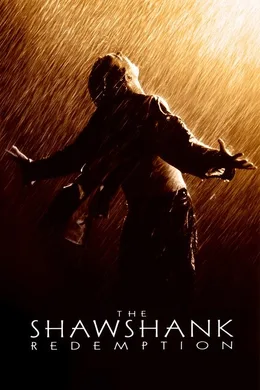
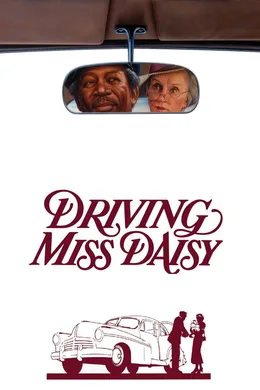
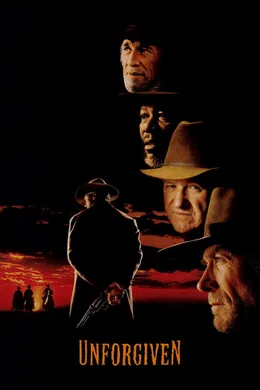
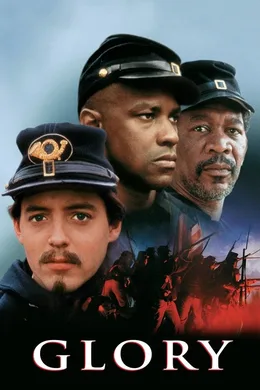
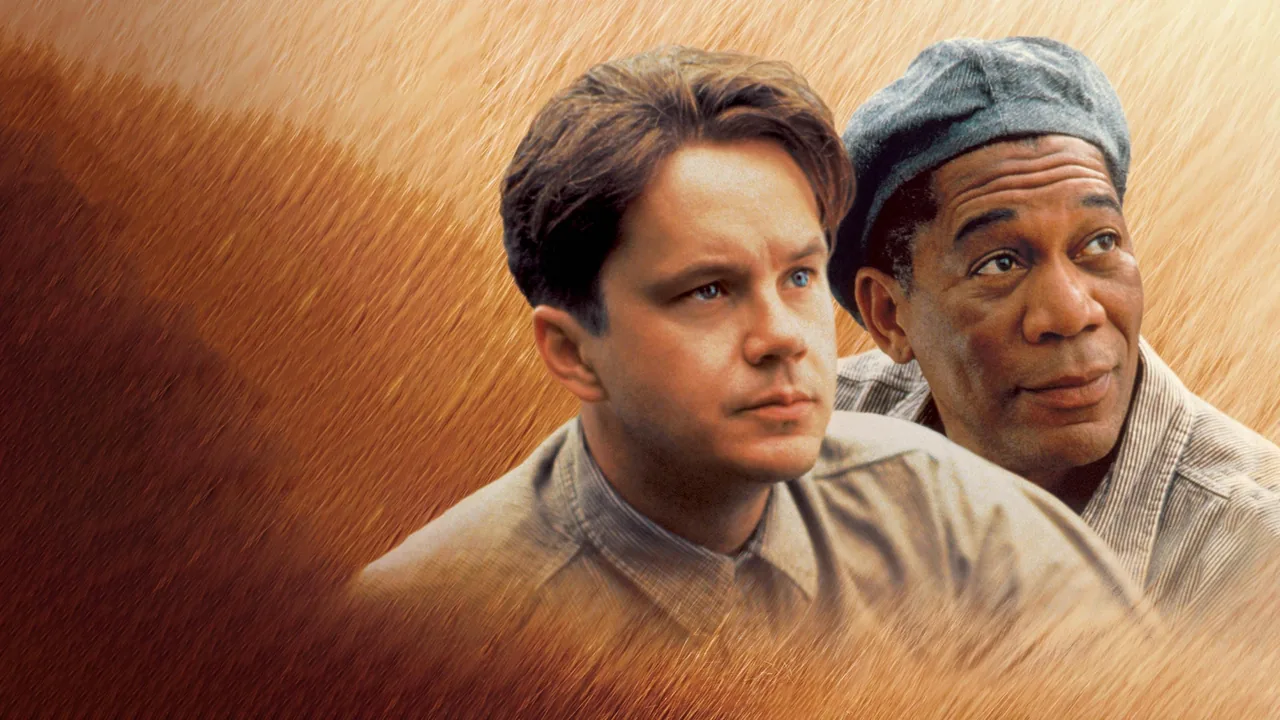
Then came the stretch that settles it. From 52 to 57 he made Glory, Driving Miss Daisy, Unforgiven and The Shawshank Redemption. Four essential films in five years, plus two more Oscar nominations of his own, both for Best Actor. Performers are supposed to get a run like that in their thirties. Freeman got his in his fifties, playing men who had already lived whole lives before the camera found them, which is exactly what twenty years of stage work will do for you.
The run: age 52 to 57
- 1989: Glory
- 1989: Driving Miss Daisy (Best Actor nomination)
- 1992: Unforgiven
- 1994: The Shawshank Redemption (Best Actor nomination)
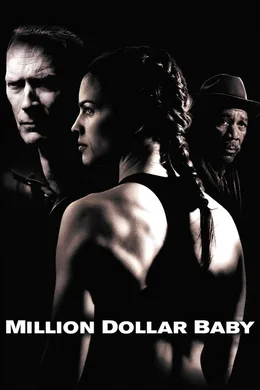
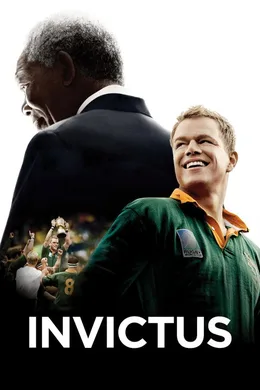
Shawshank is the debt the record never paid. It flopped in theaters in 1994, found its audience later, and now sits at number one on IMDb's all time ratings list, the most loved film in the largest movie database on earth. Freeman was nominated and lost. His only competitive Oscar came a decade on, Best Supporting Actor for Clint Eastwood's Million Dollar Baby at the February 2005 ceremony. Five nominations in all, the last for playing Nelson Mandela in Invictus in 2009. One win from five chances, and not for the film the internet crowned. The institutions made their apologies in ceremony form: Kennedy Center Honors in 2008, the AFI Life Achievement Award in 2011, the Cecil B. DeMille in 2012, SAG's Life Achievement in 2018.
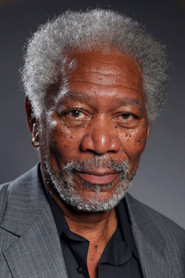
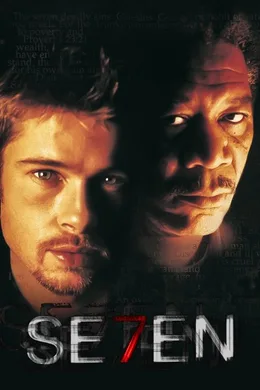
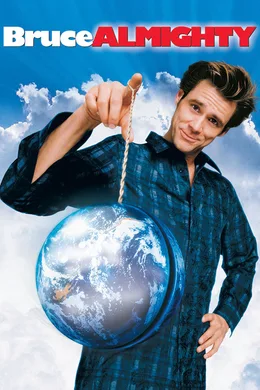
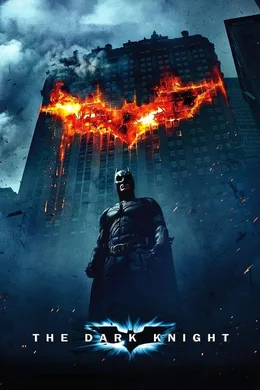
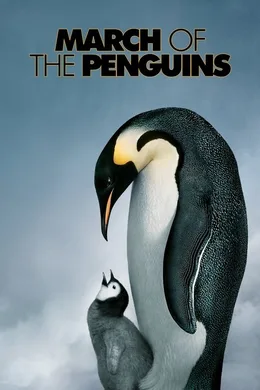
A second career ran alongside the first, and it belongs to the voice. Se7en in 1995 gave it weary moral authority. Bruce Almighty in 2003 cast it as God, a joke that lands because half the audience had already assumed. Christopher Nolan's Dark Knight trilogy made him Lucius Fox, the calm conscience inside Batman's arms race. Then the voice went freelance: he narrated March of the Penguins, the Oscar winning documentary of 2005, replaced Walter Cronkite as the voice introducing the CBS Evening News in January 2010, and hosted Through the Wormhole from 2010 to 2017. Somewhere along the way he stopped being a narrator and became the sound America reaches for when it wants to be believed.
That voice is also why he belongs in this issue, next to our cover story. Freeman's baritone is one of the most imitated and most cloned voices on the internet, borrowed daily by software that never asked. If the week's fight over AI voice consent needs a human face, here is the obvious one: a man who spent fifty years earning a sound that a model can now approximate in seconds. Every argument about who owns a voice eventually arrives at his.
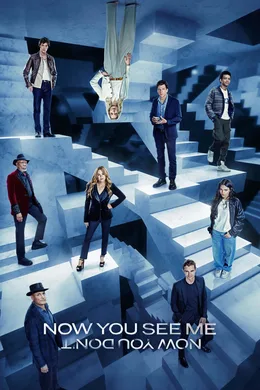
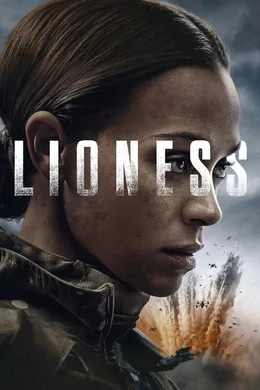
At 89 he is still working, on his own terms. Now You See Me: Now You Don't put him back in theaters in November 2025. On Lioness, the Paramount+ series he has appeared in since 2023, he plays the US Secretary of State. And he has moved into the producer's chair: with Kevin Costner he executive produced The Gray House, a Civil War spy drama that released all its episodes on Prime Video on February 26. Mary-Louise Parker leads it, not Freeman, and the reviews were rough, 45 percent on Rotten Tomatoes. That is fine. The point of a producing era is the producing: at 88 he chose to build something new rather than sit for tributes, and no review changes that math.
Asked about retirement last year, he allowed that the appetite had dimmed a little. Dimmed from what, though? From the brightest fifties any actor has ever put on film. Most stars spend their late years guarding a legacy built young. Freeman built his in middle age, which might be why he treats 89 the way he once treated 50: as a perfectly good time to start something.